
Yellow Mimic Tang
Yellow Mimic Tang
Couldn't load pickup availability
Yellow Mimic Tang (Acanthurus pyroferus) – Beautiful Yellow Juvenile Tang and Reef-Safe Marine Algae Grazer
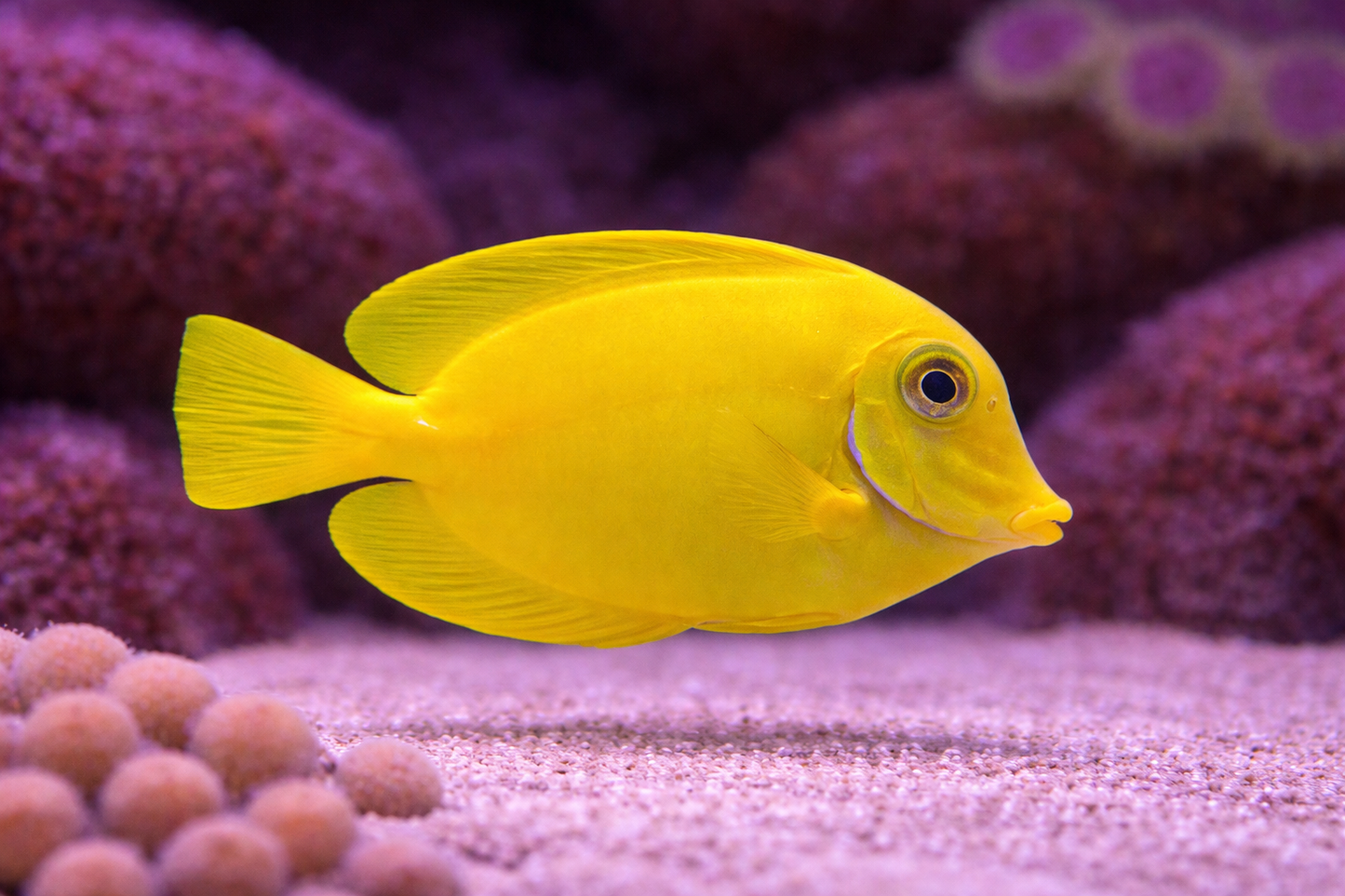
The Yellow Mimic Tang is a beautiful and fascinating saltwater aquarium fish known for its brilliant yellow juvenile coloration, remarkable color transformation, and active algae-grazing behavior. Also commonly known as the Chocolate Tang, Mimic Surgeonfish, or Lemonpeel Mimic Tang, this attractive marine species is an excellent choice for aquarium enthusiasts looking to add vibrant coloration and natural movement to their saltwater aquarium.
Scientifically known as Acanthurus pyroferus, the Yellow Mimic Tang belongs to the family Acanthuridae and is native to tropical marine environments throughout the Indo-Pacific region.
One of the most fascinating characteristics of the Yellow Mimic Tang is its ability to resemble certain dwarf angelfish during its juvenile stage.
Young Yellow Mimic Tangs often display a brilliant golden-yellow body that closely resembles the Lemonpeel Angelfish (Centropyge flavissima).
Some juvenile specimens also display subtle blue markings around the eyes and fins, enhancing their resemblance to the angelfish they mimic.
This unusual appearance is an example of biological mimicry, a natural adaptation that may help juvenile tangs avoid aggression or predation in reef environments.
As the Yellow Mimic Tang matures, its appearance changes dramatically.
The brilliant yellow juvenile coloration gradually transitions into shades of chocolate brown, olive, tan, or dark brown.
Adult specimens may also develop attractive orange, yellow, or reddish highlights around the fins and body.
This remarkable transformation makes the Yellow Mimic Tang especially interesting for aquarium enthusiasts who enjoy observing the natural development of marine fish.
Unlike many marine fish that maintain similar coloration throughout their lives, the Yellow Mimic Tang can look significantly different as an adult.
Yellow Mimic Tangs are active swimmers that spend much of their time exploring live rock and grazing on available algae.
Their natural feeding behavior makes them desirable additions to established marine aquariums.
Although they may help control certain algae growth, they should not be considered a guaranteed solution for every type of nuisance algae.
Yellow Mimic Tangs are generally peaceful toward unrelated marine fish but may become territorial toward other tangs, especially similarly shaped surgeonfish.
They are considered reef safe because they do not normally consume coral tissue or intentionally damage healthy ornamental invertebrates.
Yellow Mimic Tangs can reach approximately 8–10 inches in length and require a spacious aquarium with adequate swimming room.
A minimum aquarium size of 125 gallons is recommended for long-term care, with 150 gallons or larger preferred for mature specimens.
With its brilliant yellow juvenile coloration, remarkable adult transformation, and active grazing behavior, the Yellow Mimic Tang is an outstanding addition to a properly maintained saltwater aquarium.
Product Specifications
Scientific Name: Acanthurus pyroferus
Common Name: Yellow Mimic Tang, Chocolate Tang, Mimic Surgeonfish, Lemonpeel Mimic Tang
Family: Acanthuridae
Fish Type: Marine Surgeonfish / Tang
Care Level: Moderate
Temperament: Semi-Aggressive; May Be Territorial Toward Other Tangs
Diet: Primarily Herbivore; Also Consumes Some Small Animal-Based Foods
Adult Size: Approximately 8–10 Inches
Minimum Tank Size: 125 Gallons
Recommended Tank Size: 150 Gallons or Larger
Temperature: 74–80°F (23–27°C)
Recommended pH: 8.1–8.4
Specific Gravity: 1.023–1.026
Salinity: Approximately 35 ppt
Water Flow: Moderate to Strong
Water Conditions: Clean, Stable, Well-Oxygenated Saltwater
Recommended Setup: Large Established Reef Aquarium or Fish-Only Marine Aquarium with Live Rock
Swimming Level: Middle Water Column; Frequently Grazes Throughout Rockwork
Compatibility: Peaceful to Moderately Assertive Marine Community Fish
Reef Compatibility: Reef Safe
Coral Compatibility: Excellent
Shrimp Compatibility: Generally Compatible with Established Ornamental Shrimp
Algae Control: Grazes on Various Marine Algae and Algae Films
Juvenile Coloration: Bright Yellow, Often with Blue Accents
Adult Coloration: Chocolate Brown, Olive, Tan, or Dark Brown with Contrasting Highlights
Origin: Indo-Pacific Region
Breeding: Pelagic Spawner; Captive Breeding Is Challenging
Lifespan: Approximately 10 Years or Longer with Proper Care
Recommended Experience: Intermediate Saltwater Aquarists
Key Features
-
Brilliant golden-yellow juvenile coloration
-
Fascinating mimicry of certain dwarf angelfish
-
Dramatic transformation into chocolate-brown adult coloration
-
Attractive blue markings on some juvenile specimens
-
Natural marine algae-grazing behavior
-
May help reduce certain nuisance algae populations
-
Active swimming and foraging behavior
-
Excellent addition to established reef aquariums
-
Reef safe with corals and most ornamental invertebrates
-
Distinctive surgeonfish body shape
-
Readily accepts high-quality herbivore foods
-
Beautiful contrast against colorful corals and live rock
-
Remarkable appearance changes as the fish matures
Aquarium Setup and Care Requirements
Aquarium Size: Provide a minimum 125-gallon aquarium for a Yellow Mimic Tang. A 150-gallon or larger aquarium is preferred for mature specimens and community setups.
Aquascaping: Include substantial live rock, caves, sheltered resting areas, and open swimming space. Yellow Mimic Tangs require adequate room to swim and explore their surroundings.
Substrate: Aragonite sand or other appropriate marine aquarium substrates are suitable.
Live Rock: Established live rock is highly beneficial because it provides natural grazing surfaces, shelter, and biological filtration.
Lighting: Standard marine aquarium lighting is suitable. Quality reef lighting may enhance the fish's coloration and support natural algae growth on rock surfaces.
Filtration: Use efficient biological and mechanical filtration to maintain excellent water quality.
Water Movement: Moderate to strong circulation is recommended to maintain well-oxygenated water and encourage natural swimming behavior.
Diet: Feed a varied diet containing dried marine algae, spirulina-based foods, premium marine herbivore pellets, and other nutritionally balanced marine foods.
Tankmates: Suitable companions may include Clownfish, Wrasses, Gobies, Blennies, Cardinalfish, Rabbitfish, and other appropriately sized marine species.
Water Chemistry: Maintain stable salinity, temperature, pH, and alkalinity.
Water Quality: Perform regular partial water changes and maintain ammonia and nitrite at zero.
Territory: Provide adequate swimming room and multiple hiding places to reduce competition with other grazing fish.
Long-Term Care: Maintain stable water conditions, consistent feeding, and sufficient swimming space.
Feeding and Nutrition
Yellow Mimic Tangs are primarily herbivorous marine fish that naturally consume algae and other available food sources.
In captivity, they readily accept a variety of high-quality marine aquarium foods once acclimated.
Recommended foods include:
-
Dried marine algae sheets
-
Nori seaweed
-
Premium marine herbivore pellets
-
Spirulina-based marine flakes
-
Frozen herbivore preparations
-
Algae-based marine foods
-
Suitable marine macroalgae
-
Frozen mysis shrimp as a supplemental food
-
Enriched frozen brine shrimp
-
Nutritionally balanced marine omnivore foods
-
Other appropriate marine aquarium foods
A diet rich in marine algae and vegetable matter helps support healthy digestion, immune function, coloration, and long-term vitality.
Offer algae-based foods daily, with multiple feeding opportunities when practical.
Dried marine algae can be attached to a feeding clip to encourage natural grazing behavior.
Yellow Mimic Tangs frequently spend much of the day searching for algae on live rock and other aquarium surfaces.
Although they naturally consume algae, aquarium grazing alone should not be considered a complete diet.
Supplemental feeding is essential to maintain proper body condition and prevent nutritional deficiencies.
Avoid overfeeding, as uneaten food can contribute to nutrient buildup and poor water quality.
Fascinating Juvenile Mimicry
One of the most remarkable characteristics of the Yellow Mimic Tang is its ability to resemble certain dwarf angelfish during its juvenile stage.
Young Yellow Mimic Tangs commonly display bright yellow coloration that closely resembles the Lemonpeel Angelfish.
This resemblance is believed to provide a potential survival advantage in natural reef environments.
Juvenile tangs may benefit from resembling angelfish species that occupy similar habitats.
Their bright yellow coloration and body markings help create the illusion of a different species.
As the Yellow Mimic Tang matures, this resemblance gradually disappears.
The fish develops a more typical surgeonfish appearance and transitions into darker adult coloration.
This transformation makes the Yellow Mimic Tang especially appealing to aquarists interested in unusual marine fish adaptations.
It is important to understand that a bright yellow juvenile Yellow Mimic Tang will not normally maintain its brilliant yellow coloration throughout adulthood.
Juvenile and Adult Color Transformation
Yellow Mimic Tangs undergo a dramatic color transformation as they mature.
Juvenile Coloration: Young specimens typically display brilliant yellow coloration, sometimes accompanied by blue accents around the eyes or fins.
Their bright appearance resembles certain dwarf angelfish, particularly the Lemonpeel Angelfish.
Transitional Coloration: As the fish grows, yellow pigmentation gradually fades and is replaced by shades of tan, olive, or brown.
During this stage, individuals may display a mixture of juvenile and adult coloration.
Adult Coloration: Mature Yellow Mimic Tangs typically develop chocolate-brown, olive-brown, or dark brown bodies with contrasting highlights along the fins and other areas.
Adult specimens may also display attractive orange or yellow accents.
This dramatic transformation creates a completely different appearance from the bright yellow juvenile stage.
Individual coloration may vary depending on age, genetics, lighting, diet, stress levels, and overall health.
Natural Algae-Grazing Benefits
One of the most desirable characteristics of the Yellow Mimic Tang is its natural algae-grazing behavior.
In tropical marine environments, Yellow Mimic Tangs spend considerable time grazing on algae and other available food sources.
In home aquariums, they may graze on algae growing along live rock, aquarium decorations, and other surfaces.
This behavior can provide a useful contribution to overall aquarium algae management.
Yellow Mimic Tangs may consume various types of marine algae, including certain filamentous algae and algae films.
However, individual feeding preferences vary.
Not every Yellow Mimic Tang will consume every type of nuisance algae.
Their natural grazing behavior should be viewed as a beneficial contribution to aquarium maintenance rather than a complete algae-control solution.
For best results, combine appropriate herbivorous livestock with responsible nutrient management, regular maintenance, and stable water conditions.
Temperament and Compatibility
Yellow Mimic Tangs are generally peaceful toward unrelated marine fish but may become territorial toward other surgeonfish.
Their behavior can become more assertive as they mature and establish a preferred grazing territory.
Aggression is most likely toward similarly shaped tangs or other species competing for the same food sources.
For most home aquariums, maintaining a single Yellow Mimic Tang is recommended.
Multiple tang species may sometimes coexist in larger aquariums with sufficient swimming room, hiding places, and carefully planned stocking.
However, compatibility cannot be guaranteed.
Suitable companions may include Clownfish, Wrasses, Gobies, Blennies, Cardinalfish, Rabbitfish, and other appropriately sized marine community fish.
Avoid overcrowding and monitor interactions carefully when introducing new tangs.
Providing plenty of live rock and open swimming space helps reduce stress and territorial disputes.
Reef Compatibility
Yellow Mimic Tangs are considered reef-safe marine fish.
They do not normally consume coral tissue or intentionally damage healthy coral colonies.
They may coexist successfully with soft corals, large-polyp stony corals, small-polyp stony corals, and other reef aquarium inhabitants.
Their natural grazing behavior may be beneficial in reef systems because they frequently consume algae growing on exposed surfaces.
Yellow Mimic Tangs are also generally compatible with established ornamental shrimp, snails, hermit crabs, and other peaceful marine invertebrates.
Their active swimming behavior adds natural movement throughout the aquarium.
Although they are considered reef safe, proper feeding and stable water conditions remain essential.
With sufficient swimming space and appropriate tankmates, Yellow Mimic Tangs can make excellent additions to established reef aquariums.
Natural Habitat and Behavior
Yellow Mimic Tangs naturally inhabit tropical marine environments throughout the Indo-Pacific region.
They are commonly associated with coral reefs, rocky reef slopes, and areas containing established algae growth.
In these environments, they spend much of their time swimming between reef structures while grazing on available food sources.
Juveniles may remain closer to protected reef areas where their angelfish-like appearance provides a potential advantage.
As they mature, they develop the characteristic body shape and behavior of adult surgeonfish.
In home aquariums, Yellow Mimic Tangs frequently establish daily grazing routines.
They may move from one rock formation to another while searching for food.
When startled, they often retreat into nearby caves or sheltered areas.
Their active swimming behavior and remarkable color transformation make them interesting additions to larger marine displays.
Breeding Information
Yellow Mimic Tangs are egg-laying marine fish that reproduce through spawning.
Like other surgeonfish, they release eggs into the water column during reproductive activity.
The eggs and developing larvae undergo a planktonic stage.
Successfully breeding Yellow Mimic Tangs in captivity is challenging because larvae require specialized foods, carefully controlled water conditions, and advanced marine aquaculture techniques.
Captive breeding of this species is uncommon in typical home aquariums.
A dedicated marine breeding and larval-rearing system is generally necessary for successful propagation.
Special Care Considerations
-
Maintain stable, fully cycled saltwater conditions.
-
Provide a spacious aquarium suitable for the fish's adult size.
-
Include substantial live rock and natural grazing surfaces.
-
Offer a varied diet rich in marine algae and vegetable matter.
-
Provide dried marine algae or nori regularly.
-
Do not rely exclusively on naturally occurring aquarium algae.
-
Maintain stable salinity and temperature.
-
Avoid sudden changes in water chemistry.
-
Monitor territorial behavior toward other tangs.
-
Provide adequate swimming room and sheltered resting areas.
-
Choose compatible tankmates that are not excessively aggressive.
-
Maintain excellent filtration and regular aquarium maintenance.
-
Use careful acclimation when introducing new specimens.
-
Observe the fish for signs of marine ich and other common surgeonfish health concerns.
-
Exercise caution around the sharp defensive spine near the tail.
-
Maintain a secure aquarium cover.
-
Monitor feeding behavior and body condition during acclimation.
-
Understand that juvenile yellow coloration changes significantly with maturity.
Why Choose the Yellow Mimic Tang?
The Yellow Mimic Tang is a beautiful marine fish that combines brilliant juvenile coloration, fascinating biological mimicry, and beneficial natural algae-grazing behavior.
Its bright yellow juvenile appearance creates a stunning contrast against colorful corals, live rock, and natural marine aquarium decorations.
Unlike many marine aquarium fish, the Yellow Mimic Tang undergoes a dramatic transformation as it matures, gradually developing attractive chocolate-brown adult coloration.
This remarkable change makes it especially interesting for aquarium enthusiasts who enjoy observing natural marine fish development.
Its active swimming behavior and constant grazing provide natural movement throughout the aquarium.
The Yellow Mimic Tang is especially appealing to aquarists looking for a distinctive surgeonfish with unusual juvenile coloration and fascinating natural adaptations.
Its generally peaceful behavior toward unrelated marine fish and reef-safe feeding habits make it suitable for many appropriately stocked large saltwater aquariums.
Whether you're building a spacious fish-only marine aquarium, expanding an established reef display, or looking for a unique tang with remarkable coloration changes, the Yellow Mimic Tang offers beauty, activity, and personality.
If you're searching for a vibrant saltwater fish with brilliant yellow juvenile coloration, natural algae-grazing behavior, and a fascinating transformation into adulthood, the Yellow Mimic Tang is an outstanding choice.
Note: This listing refers to the Yellow Mimic Tang, Acanthurus pyroferus, commonly sold as the Lemonpeel Mimic Tang or Chocolate Tang. Juvenile specimens display bright yellow coloration that typically changes to brown or chocolate tones as they mature. Individual size, coloration, temperament, and feeding preferences may vary. Although generally reef safe, Yellow Mimic Tangs may become territorial toward other surgeonfish. This species possesses a sharp defensive spine near the tail and should be handled carefully. Photographs may be representative unless the fish is specifically listed as WYSIWYG (What You See Is What You Get).
Share
Shop More
-
Freshwater Aquarium Fish
Fish ship out on Mondays and Tuesdays to ensure their safety during their...
-
Live Aquatic Plants
Plants ship out on Mondays and Tuesdays to ensure their safety during their...
-
Fish Tank Supplies
All orders are shipped out on Mondays and Tuesdays. Find everything you...
-
Aquariums & Stands
Looking to upgrade your setup? Visit Natural Environment Aquatix in Jacksonville, FL...
