Discus (Symphysodon spp.)
Discus are among the most beautiful and highly prized freshwater fish in the aquarium hobby. Often referred to as the Kings of the Aquarium, these elegant South American cichlids are known for their distinctive round, disc-shaped bodies, graceful swimming behavior, and extraordinary variety of colors and patterns. Discus are available in stunning shades of blue, red, turquoise, yellow, orange, white, and intricate spotted or striped patterns, making them spectacular centerpiece fish for large freshwater aquariums.
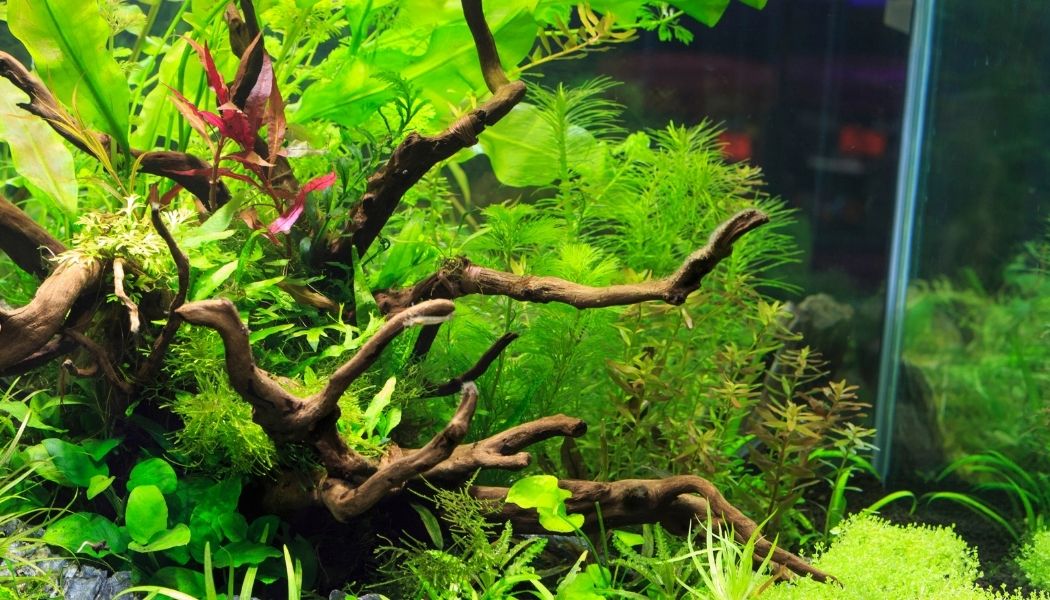
Native to the Amazon River Basin in South America, Discus naturally inhabit warm, slow-moving rivers, flooded forests, and sheltered waterways. In the aquarium, they thrive in spacious environments with stable water conditions, gentle filtration, driftwood, and areas of open swimming space. Live plants can create an attractive natural environment, provided they tolerate the warmer temperatures preferred by Discus.
Discus are especially sensitive to sudden changes in water chemistry and temperature, making consistent aquarium maintenance essential. Clean, warm water, effective biological filtration, and regular water changes help support their long-term health. Captive-bred Discus are generally more adaptable to aquarium conditions than wild-caught specimens, although excellent water quality remains a priority.
Discus are omnivorous and require a varied, nutrient-rich diet to maintain healthy growth and vibrant coloration. High-quality Discus granules or pellets should form the foundation of their diet, supplemented with frozen mysis shrimp, brine shrimp, bloodworms, and other suitable prepared foods. Juvenile Discus benefit from more frequent feedings, while adults can be maintained on a consistent feeding schedule with appropriately sized portions.
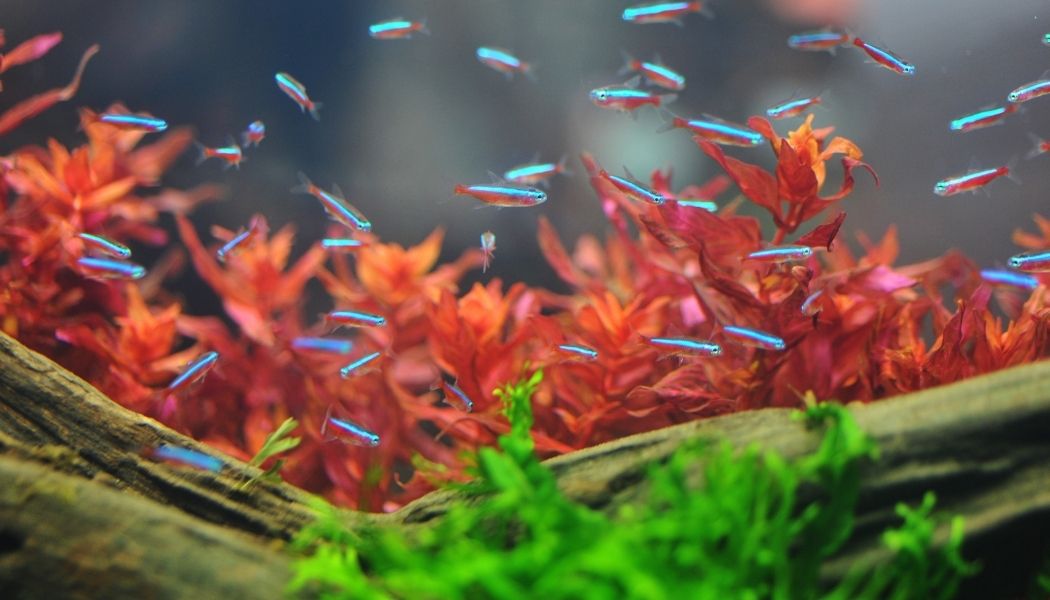
Although Discus are generally peaceful, they establish social hierarchies within groups. Keeping a group of at least five or six individuals in a sufficiently large aquarium helps distribute social pressure and encourages more natural behavior. Their calm temperament makes them suitable for carefully selected peaceful tank mates that tolerate warm water, such as Cardinal Tetras, Rummynose Tetras, and certain Corydoras species.
Discus are also known for their fascinating breeding behavior. Compatible pairs typically deposit eggs on vertical surfaces such as driftwood, broad plant leaves, or spawning cones. Both parents participate in caring for the eggs and fry. One of their most remarkable characteristics is that newly free-swimming fry feed on a specialized nutrient-rich mucus secreted by the parents' skin during their early development.
With proper care, Discus can become long-lived aquarium inhabitants and develop recognizable personalities. Their graceful movement, brilliant coloration, and social behavior make them an exceptional choice for aquarists seeking an elegant freshwater display.
Scientific Name: Symphysodon spp.
Common Name: Discus, Discus Cichlid, King of the Aquarium
Care Level: Moderate to Advanced
Temperament: Peaceful
Diet: Omnivore
Adult Size: Approximately 6–8 Inches
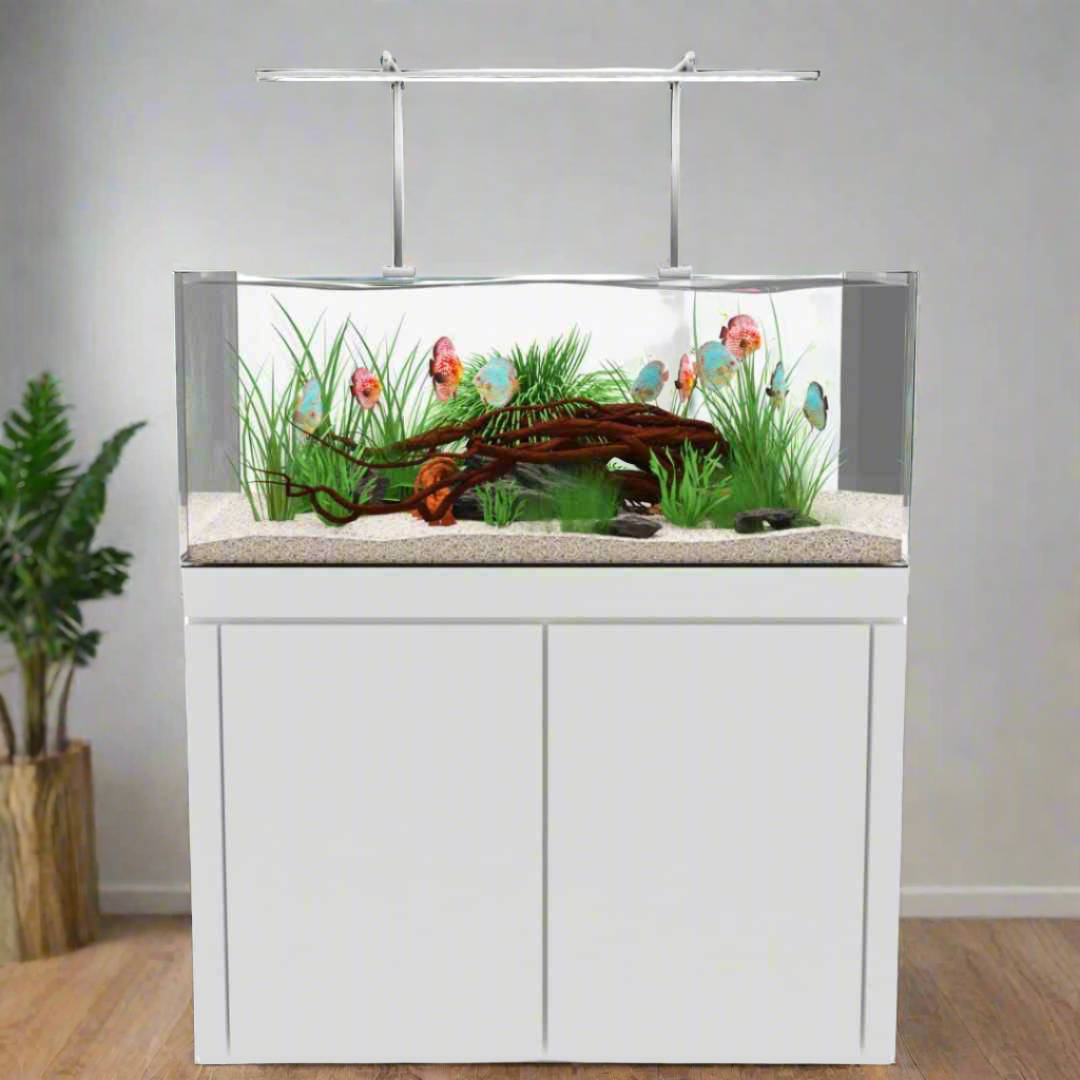
Minimum Tank Size: 75 Gallons; 90–125 Gallons or Larger Recommended for Adult Groups
Recommended Group Size: 5–6 or More
Temperature: 82–86°F
Recommended pH: 6.0–7.5 for Most Captive-Bred Varieties
Recommended Setup: Spacious, Warm Freshwater Aquarium with Driftwood, Gentle Water Movement, and Excellent Filtration
Breeding Behavior: Egg-Laying Cichlid with Biparental Care
Origin: Amazon River Basin, South America; Many Aquarium Varieties Are Captive-Bred
If you're looking for one of the most elegant and colorful freshwater fish available, Discus are an outstanding choice. Their spectacular patterns, graceful swimming behavior, and fascinating personalities make them a breathtaking centerpiece for a well-maintained aquarium. Whether you're creating a dedicated Discus display or a carefully planned South American community aquarium, these remarkable cichlids bring exceptional beauty and sophistication to any aquatic environment.