
Talbot Damselfish
Talbot Damselfish
Couldn't load pickup availability
Talbot Damselfish (Chrysiptera talboti) – Colorful, Peaceful Reef-Safe Saltwater Fish
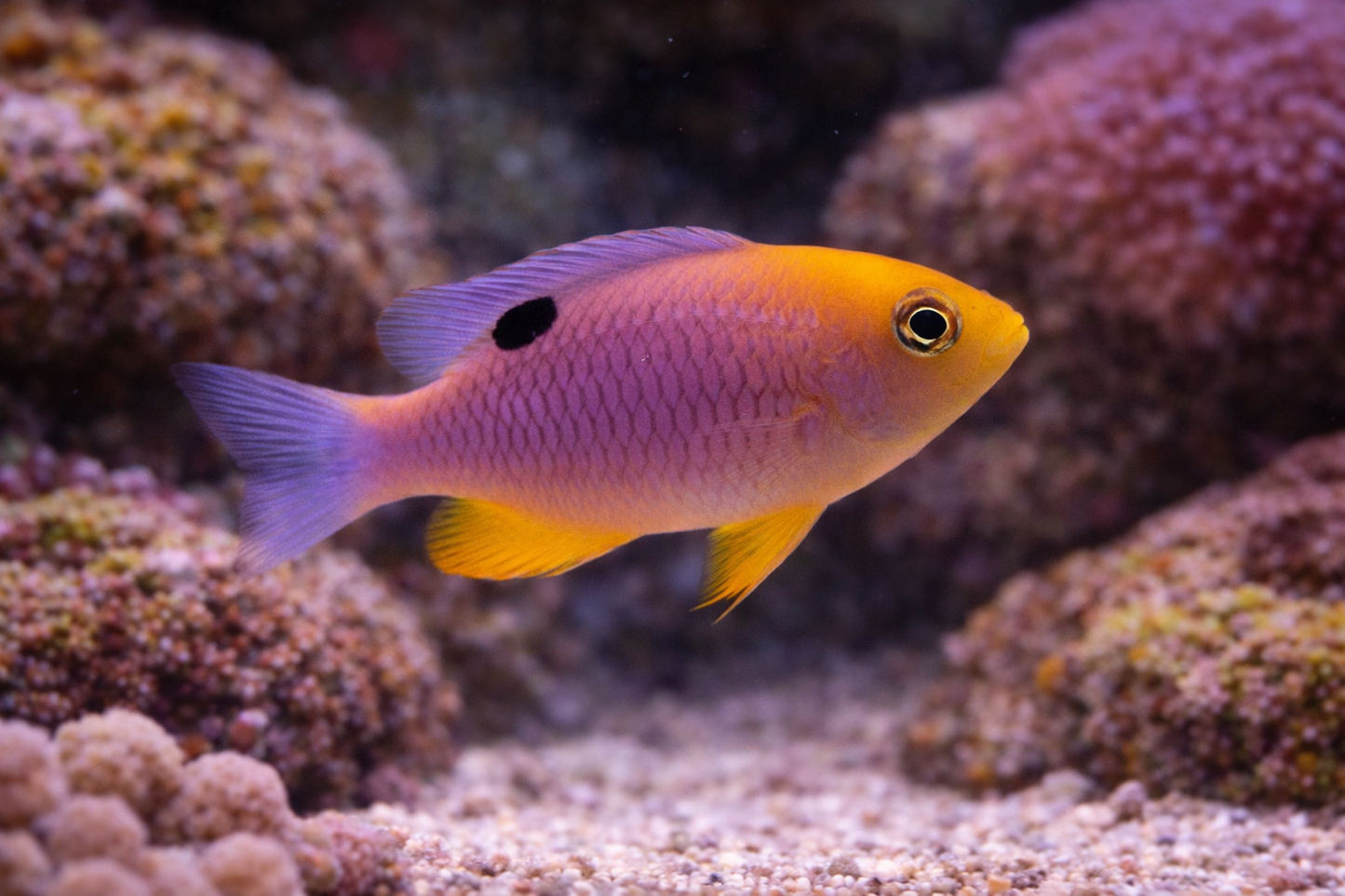
The Talbot Damselfish is a beautiful and colorful saltwater aquarium fish admired for its soft lavender-pink body, brilliant yellow face, and active personality. Also commonly known as Talbot's Damselfish or Talbot's Demoiselle, this attractive marine species is an excellent choice for aquarium enthusiasts looking to add vibrant coloration and natural movement to their saltwater aquarium.
Scientifically known as Chrysiptera talboti, the Talbot Damselfish belongs to the family Pomacentridae and is native to tropical marine environments throughout the western Pacific Ocean, including Indonesia, Papua New Guinea, and surrounding reef systems.
One of the most recognizable characteristics of the Talbot Damselfish is its beautiful combination of soft pink, lavender, and purple coloration contrasted by a bright yellow face and forehead.
Many specimens also display a distinctive dark spot near the upper portion of the body, close to the dorsal fin. This marking adds another unique feature to the fish's already striking appearance.
Unlike some damselfish species that are known for aggressive territorial behavior, Talbot Damselfish are generally considered among the more peaceful members of the damselfish family.
Although they may still defend preferred hiding places, they are often better suited for peaceful marine community aquariums than more aggressive damselfish varieties.
Talbot Damselfish are naturally associated with coral reefs and rocky marine habitats, where they spend much of their time swimming close to branching corals, live rock, and protective crevices.
Their small adult size, typically reaching approximately 2–2.5 inches, makes them an attractive option for appropriately maintained smaller saltwater aquariums.
These fish are active swimmers that frequently move between rock formations, exploring their surroundings and searching for food.
Talbot Damselfish are omnivorous, feeding primarily on small planktonic animals and other available marine food sources.
In captivity, they readily accept high-quality marine pellets, frozen mysis shrimp, enriched brine shrimp, and other appropriately sized marine foods.
Their beautiful coloration, manageable size, and relatively peaceful temperament make them especially desirable for reef aquariums.
Talbot Damselfish are considered reef safe because they do not normally consume coral tissue or damage healthy marine invertebrates.
A minimum aquarium size of 20 gallons is recommended for a single Talbot Damselfish, with 30 gallons or larger preferred for community aquariums.
With its stunning lavender-pink coloration, brilliant yellow face, and active personality, the Talbot Damselfish is an excellent addition to a properly maintained saltwater aquarium.
Product Specifications
Scientific Name: Chrysiptera talboti
Common Name: Talbot Damselfish, Talbot's Damselfish, Talbot's Demoiselle
Family: Pomacentridae
Fish Type: Marine Damselfish
Care Level: Easy
Temperament: Generally Peaceful to Semi-Aggressive; May Defend Small Territories
Diet: Omnivore; Primarily Zooplankton and Small Marine Foods
Adult Size: Approximately 2–2.5 Inches
Minimum Tank Size: 20 Gallons
Recommended Tank Size: 30 Gallons or Larger for Community Aquariums
Temperature: 74–80°F (23–27°C)
Recommended pH: 8.1–8.4
Specific Gravity: 1.023–1.026
Salinity: Approximately 35 ppt
Water Flow: Moderate
Water Conditions: Clean, Stable, Well-Oxygenated Saltwater
Recommended Setup: Established Reef Aquarium or Fish-Only Marine Aquarium with Live Rock
Swimming Level: Middle to Lower Water Column; Frequently Explores Rockwork
Compatibility: Peaceful to Moderately Assertive Marine Community Fish
Reef Compatibility: Reef Safe
Coral Compatibility: Excellent
Shrimp Compatibility: Generally Compatible with Established Ornamental Shrimp
Origin: Western Pacific Ocean, Including Indonesia and Papua New Guinea
Breeding: Egg Layer; Male Guards Eggs
Lifespan: Approximately 5–8 Years or Longer with Proper Care
Recommended Experience: Beginner to Intermediate Saltwater Aquarists
Key Features
-
Beautiful lavender-pink and purple body coloration
-
Vibrant yellow face and forehead
-
Distinctive dark marking near the dorsal fin
-
Generally more peaceful than many other damselfish species
-
Hardy and adaptable marine aquarium fish
-
Active and engaging swimming behavior
-
Compact adult size suitable for many saltwater aquariums
-
Excellent addition to established reef aquariums
-
Reef safe with corals and most ornamental invertebrates
-
Readily accepts a variety of marine aquarium foods
-
Fascinating rockwork exploration behavior
-
Stunning contrast against colorful corals and live rock
Aquarium Setup and Care Requirements
Aquarium Size: Provide a minimum 20-gallon aquarium for a single Talbot Damselfish. A 30-gallon or larger aquarium is recommended when maintaining additional marine fish.
Aquascaping: Include plenty of live rock, caves, crevices, and open swimming areas. Rock formations provide shelter and help establish separate territories.
Substrate: Aragonite sand or other appropriate marine aquarium substrates are suitable.
Live Rock: Established live rock is highly beneficial because it provides natural shelter, biological filtration, and opportunities for exploration.
Lighting: Standard marine aquarium lighting is suitable. Talbot Damselfish display beautiful coloration under quality reef aquarium lighting.
Filtration: Use efficient biological and mechanical filtration to maintain excellent water quality.
Water Movement: Moderate circulation is recommended, with calmer sheltered areas available throughout the aquarium.
Diet: Feed a varied omnivorous diet containing premium marine pellets, frozen mysis shrimp, enriched brine shrimp, and other suitable marine foods.
Tankmates: Suitable companions may include Ocellaris Clownfish, Royal Grammas, Gobies, Blennies, Cardinalfish, and other appropriately sized peaceful marine species.
Water Chemistry: Maintain stable salinity, temperature, pH, and alkalinity.
Water Quality: Perform regular partial water changes and maintain ammonia and nitrite at zero.
Territory: Provide multiple hiding places and visual barriers to reduce territorial disputes.
Long-Term Care: Maintain stable water conditions, consistent feeding, and sufficient swimming space.
Feeding and Nutrition
Talbot Damselfish are omnivorous marine fish that naturally consume small planktonic animals, tiny crustaceans, and other available food sources.
In captivity, they readily accept a variety of high-quality prepared and frozen marine aquarium foods.
Recommended foods include:
-
Premium marine omnivore pellets
-
High-quality marine flakes
-
Frozen mysis shrimp
-
Enriched frozen brine shrimp
-
Small marine copepods
-
Frozen marine plankton preparations
-
Finely chopped marine shrimp
-
Spirulina-based marine foods
-
Other appropriately sized marine fish foods
A varied diet helps support healthy growth, beautiful coloration, immune function, and long-term vitality.
Feed small portions once or twice daily, adjusting feeding frequency according to the fish's size and nutritional needs.
Newly introduced Talbot Damselfish may initially remain close to rockwork while becoming comfortable with their surroundings.
Offering small, easily consumed foods can help encourage feeding during acclimation.
Avoid overfeeding, as uneaten food can contribute to nutrient buildup and poor water quality.
Temperament and Compatibility
Talbot Damselfish are generally considered among the more peaceful damselfish species commonly maintained in marine aquariums.
Although they belong to a family known for territorial behavior, Talbot Damselfish are often less aggressive than species such as the Three Stripe Damselfish or Domino Damselfish.
They may still establish and defend small territories around preferred rock formations or hiding places.
Aggression is most likely toward other damselfish or similarly sized fish competing for the same shelter.
Providing adequate live rock and multiple hiding locations helps reduce territorial disputes.
Talbot Damselfish may coexist successfully with many peaceful marine community fish when sufficient aquarium space is available.
However, individual temperament can vary, and some specimens may become more assertive as they mature.
For smaller marine aquariums, maintaining a single Talbot Damselfish is generally recommended.
Multiple individuals may be maintained in larger aquariums with sufficient rockwork and carefully planned stocking, although compatibility is not guaranteed.
Reef Compatibility
Talbot Damselfish are considered reef-safe marine fish.
They do not normally consume coral tissue or intentionally damage healthy coral colonies.
They may coexist successfully with many soft corals, large-polyp stony corals, small-polyp stony corals, and other reef aquarium inhabitants.
Their small adult size and active swimming behavior make them attractive additions to established reef displays.
Talbot Damselfish frequently swim around branching coral structures and live rock formations, creating natural movement throughout the aquarium.
They are generally compatible with established ornamental shrimp, snails, hermit crabs, and other peaceful marine invertebrates.
However, like many small marine fish, they may consume tiny planktonic animals or newly hatched shrimp.
Maintaining appropriate stocking levels and providing adequate shelter helps support a healthy reef aquarium environment.
Unique Lavender and Yellow Coloration
One of the most desirable characteristics of the Talbot Damselfish is its striking combination of lavender-pink and yellow coloration.
The body typically displays beautiful shades of pale purple, pink, or lavender, while the face and forehead feature bright yellow pigmentation.
A distinctive dark spot near the dorsal fin adds contrast and helps distinguish this species from other colorful damselfish.
The combination of these colors creates a beautiful appearance under marine aquarium lighting.
Healthy Talbot Damselfish maintained in stable water conditions and fed a varied diet often display excellent coloration.
Color intensity may vary depending on age, individual genetics, aquarium lighting, stress levels, and overall health.
The Talbot Damselfish is especially attractive in reef aquariums containing colorful corals and natural rockwork.
Natural Behavior and Territory
Talbot Damselfish naturally inhabit tropical coral reef environments, where they remain close to protective structures.
They frequently swim above coral formations and retreat into nearby crevices when startled.
In aquariums, they may establish a preferred area around live rock, caves, or coral structures.
They often emerge from these sheltered areas to feed, explore, and interact with nearby fish.
Their behavior is generally active but not excessively aggressive when maintained with suitable tankmates.
Providing multiple hiding places allows Talbot Damselfish to feel secure and display more natural swimming behavior.
Their relatively peaceful nature makes them especially appealing to aquarists who enjoy damselfish coloration but prefer a less territorial species.
Breeding Information
Talbot Damselfish are egg-laying marine fish that may reproduce under suitable conditions.
During breeding, compatible individuals establish territories and select appropriate spawning surfaces.
Females deposit adhesive eggs onto hard surfaces such as rock or other suitable structures.
The male fertilizes the eggs and typically guards them during development.
Male damselfish may fan the eggs with their fins to maintain water circulation and remove debris.
After hatching, the larvae enter a planktonic stage and require specialized marine foods and carefully controlled environmental conditions.
Although spawning may occur in home aquariums, successfully raising the larvae is challenging.
A dedicated marine breeding and larval-rearing system is generally required for successful captive propagation.
Special Care Considerations
-
Maintain stable, fully cycled saltwater conditions.
-
Provide established live rock and multiple hiding places.
-
Offer a varied diet containing high-quality marine proteins and suitable omnivore foods.
-
Maintain stable salinity and temperature.
-
Avoid sudden changes in water chemistry.
-
Monitor territorial behavior toward other damselfish.
-
Provide visual barriers to reduce aggression.
-
Avoid overcrowding smaller marine aquariums.
-
Choose peaceful, appropriately sized tankmates.
-
Maintain excellent filtration and regular aquarium maintenance.
-
Use careful acclimation when introducing new specimens.
-
Provide adequate swimming space and sheltered resting areas.
-
Maintain a secure aquarium cover.
-
Observe feeding behavior during acclimation.
-
Introduce new tankmates carefully when a Talbot Damselfish has already established a territory.
Why Choose the Talbot Damselfish?
The Talbot Damselfish is a beautiful marine fish that combines stunning lavender-pink coloration, a vibrant yellow face, and an engaging personality.
Its distinctive color combination creates a beautiful contrast against live rock, colorful corals, and natural marine aquarium decorations.
Unlike many aggressive damselfish species, the Talbot Damselfish is generally more peaceful, making it an attractive option for marine community aquariums.
Its compact adult size, hardy nature, and straightforward feeding requirements make it suitable for both beginner and experienced saltwater aquarium enthusiasts.
The Talbot Damselfish is also fascinating to observe as it explores rock formations, establishes a preferred territory, and interacts with compatible tankmates.
Whether you're building a peaceful saltwater community aquarium, expanding an established reef display, or looking for a colorful marine fish with a manageable adult size, the Talbot Damselfish offers beauty, activity, and personality.
If you're searching for a vibrant saltwater fish with beautiful lavender-pink coloration, a brilliant yellow face, and a relatively peaceful temperament, the Talbot Damselfish is an outstanding choice.
Note: This listing refers to the Talbot Damselfish, Chrysiptera talboti. Individual size, coloration, and temperament may vary. Although generally considered one of the more peaceful damselfish species, Talbot Damselfish may still become territorial, particularly toward other damselfish. Photographs may be representative unless the fish is specifically listed as WYSIWYG (What You See Is What You Get).
Share
Shop More
-
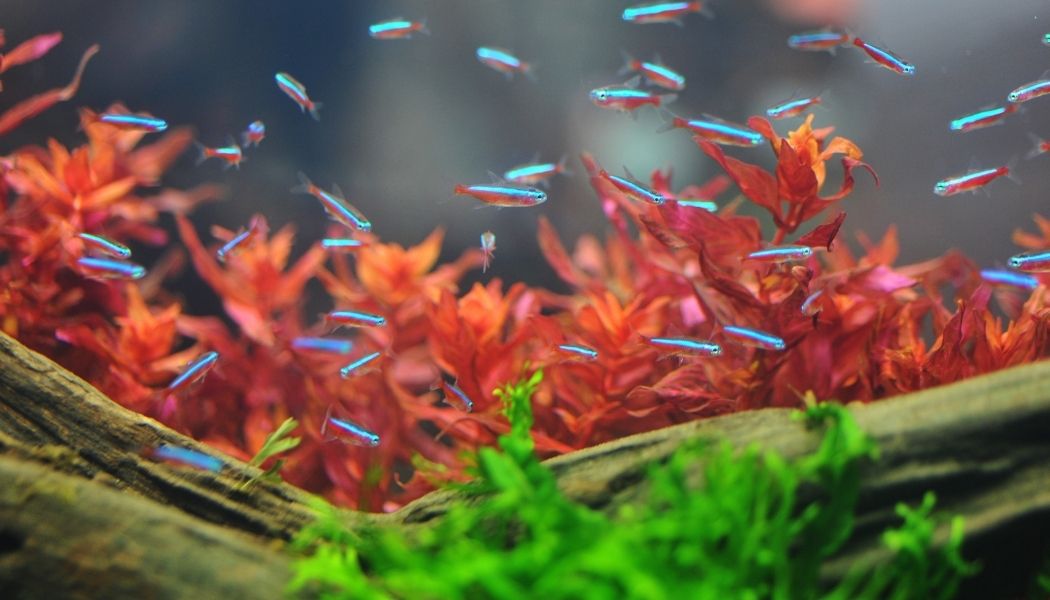
Freshwater Aquarium Fish
Fish ship out on Mondays and Tuesdays to ensure their safety during their...
-
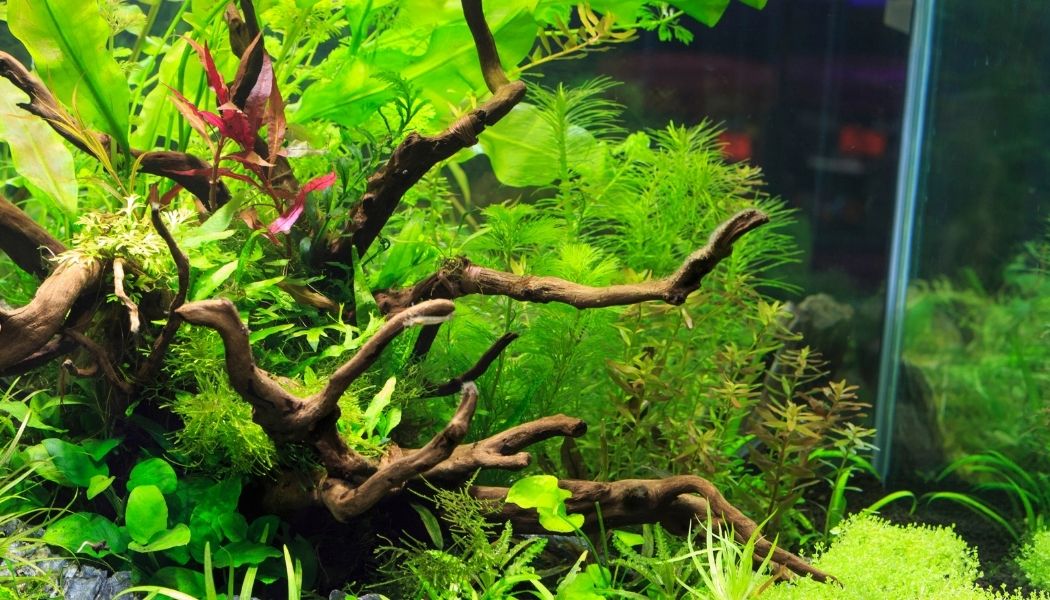
Live Aquatic Plants
Plants ship out on Mondays and Tuesdays to ensure their safety during their...
-
Fish Tank Supplies
All orders are shipped out on Mondays and Tuesdays. Find everything you...
-
Aquariums & Stands
Looking to upgrade your setup? Visit Natural Environment Aquatix in Jacksonville, FL...
