
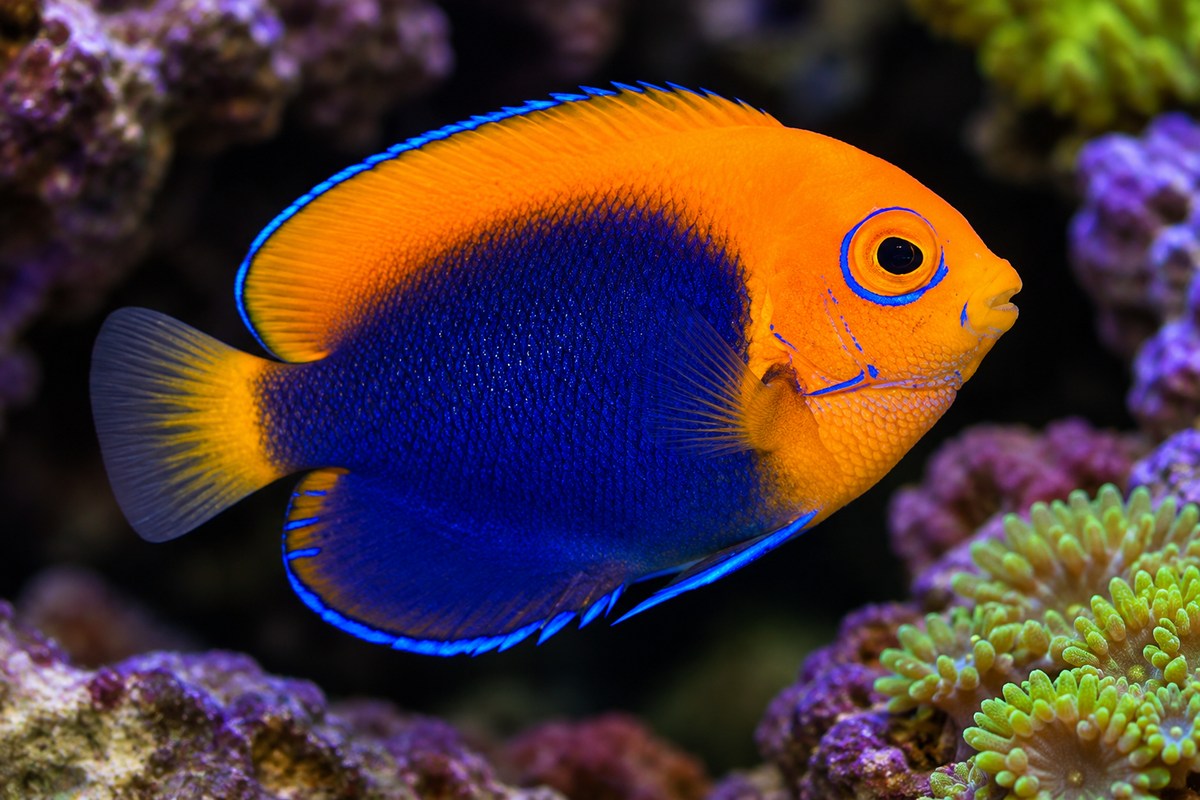
Pygmy Angel
Pygmy Angel
Couldn't load pickup availability
Pygmy Angelfish (Centropyge argi) – Colorful Cherub Angelfish for Saltwater Aquariums
The Pygmy Angelfish, commonly known as the Cherub Angelfish or Atlantic Pygmy Angelfish, is a stunning saltwater fish admired for its brilliant blue coloration, vibrant yellow-orange face, and energetic personality. This beautiful dwarf angelfish is an excellent choice for marine aquarium enthusiasts looking for a colorful centerpiece fish that remains relatively small compared with larger marine angelfish species.
Scientifically known as Centropyge argi, the Pygmy Angelfish belongs to the family Pomacanthidae and is native to the tropical western Atlantic Ocean and Caribbean Sea.
One of the most striking characteristics of the Pygmy Angelfish is its beautiful combination of deep royal blue and brilliant yellow-orange coloration. Its body typically displays a rich blue to purple-blue color, while its face and forehead feature a vibrant golden-yellow or orange patch.
This dramatic color combination makes the Pygmy Angelfish stand out beautifully against live rock, colorful corals, and natural marine aquarium decorations.
Unlike larger marine angelfish that can reach substantial adult sizes, the Pygmy Angelfish remains compact, generally reaching approximately 3 inches in length. Its manageable size makes it a popular choice for appropriately maintained smaller marine aquariums.
Despite its small size, the Pygmy Angelfish possesses a bold and active personality. It spends much of its time swimming through rock formations, exploring caves, and grazing on algae and other natural food sources.
Pygmy Angelfish are naturally associated with coral reefs and rocky marine habitats, where they seek shelter among crevices and feed on algae, detritus, and small benthic organisms.
In captivity, they thrive in established saltwater aquariums containing plenty of live rock, hiding places, and open swimming areas.
Although Pygmy Angelfish are generally hardy once acclimated, they can display territorial behavior toward other dwarf angelfish and similarly sized fish.
They are often best maintained as a single dwarf angelfish in smaller marine aquariums.
A minimum aquarium size of 55 gallons is recommended for a single Pygmy Angelfish, with larger aquariums preferred for additional swimming room and reduced territorial aggression.
Pygmy Angelfish are omnivorous and require a varied diet containing marine algae, spirulina, high-quality angelfish preparations, and appropriate meaty foods.
While many specimens coexist successfully with corals, Pygmy Angelfish are considered reef compatible with caution because some individuals may nip at coral polyps, clam mantles, or other sessile invertebrates.
With its brilliant coloration, compact adult size, and energetic personality, the Pygmy Angelfish is an outstanding addition to a properly maintained saltwater aquarium.
Product Specifications
Scientific Name: Centropyge argi
Common Name: Pygmy Angelfish, Cherub Angelfish, Atlantic Pygmy Angelfish, Cherubfish
Family: Pomacanthidae
Fish Type: Marine Dwarf Angelfish
Care Level: Moderate
Temperament: Semi-Aggressive; Territorial Toward Other Dwarf Angelfish
Diet: Omnivore
Adult Size: Approximately 3 Inches
Minimum Tank Size: 55 Gallons Recommended
Recommended Tank Size: 70 Gallons or Larger
Temperature: 72–78°F (22–26°C)
Recommended pH: 8.1–8.4
Specific Gravity: 1.023–1.026
Salinity: Approximately 35 ppt
Water Flow: Moderate
Water Conditions: Clean, Stable, Well-Oxygenated Saltwater
Recommended Setup: Established Marine Aquarium with Live Rock, Caves, and Open Swimming Areas
Swimming Level: Middle to Bottom; Frequently Explores Rockwork
Compatibility: Peaceful to Moderately Assertive Marine Fish
Reef Compatibility: With Caution
Coral Compatibility: May Nip at Certain Coral Polyps
Shrimp Compatibility: Generally Compatible with Established Ornamental Shrimp
Origin: Western Atlantic Ocean and Caribbean Sea
Breeding: Pelagic Egg Spawner; Captive Breeding Requires Specialized Conditions
Lifespan: Approximately 5–10 Years or Longer with Proper Care
Recommended Experience: Intermediate Saltwater Aquarists
Key Features
-
Brilliant royal blue to purple-blue body coloration
-
Vibrant yellow-orange face and forehead
-
One of the smaller marine dwarf angelfish species
-
Active and engaging swimming behavior
-
Beautiful addition to established saltwater aquariums
-
Naturally explores live rock and reef structures
-
Fascinating algae-grazing behavior
-
Compact adult size of approximately 3 inches
-
Bold personality and attractive coloration
-
Excellent centerpiece for marine fish communities
-
Popular among saltwater aquarium enthusiasts
-
Stunning contrast against colorful corals and live rock
Aquarium Setup and Care Requirements
Aquarium Size: Provide a minimum 55-gallon aquarium for a single Pygmy Angelfish. A 70-gallon or larger aquarium is preferred for additional swimming room and reduced territorial behavior.
Aquascaping: Include plenty of established live rock, caves, crevices, and open swimming areas. Rock structures provide shelter and natural grazing surfaces.
Substrate: Aragonite sand or other appropriate marine aquarium substrates are suitable.
Live Rock: Established live rock is highly beneficial because it provides natural algae, biofilm, shelter, and opportunities for grazing.
Lighting: Standard marine aquarium lighting is suitable. Provide shaded areas within the rockwork.
Filtration: Use efficient biological and mechanical filtration to maintain excellent water quality.
Water Movement: Moderate water circulation is recommended, with calmer sheltered areas available throughout the aquarium.
Diet: Feed a varied diet containing marine algae, spirulina, premium marine angelfish foods, frozen mysis shrimp, and other appropriate omnivore preparations.
Tankmates: Suitable companions include Clownfish, Royal Grammas, certain Gobies, Blennies, and other compatible marine species.
Water Chemistry: Maintain stable salinity, temperature, pH, and alkalinity.
Water Quality: Perform regular partial water changes and monitor ammonia, nitrite, and nitrate. Ammonia and nitrite should remain at zero.
Territory: Provide multiple caves and hiding locations. Pygmy Angelfish may defend preferred areas, especially against other dwarf angelfish.
Long-Term Care: Maintain stable water conditions, consistent nutrition, and adequate swimming space.
Feeding and Nutrition
The Pygmy Angelfish is an omnivorous marine fish that naturally consumes algae, detritus, and small organisms found on reef surfaces.
In captivity, it thrives on a varied diet containing both plant-based and animal-based foods.
Recommended foods include:
-
Premium marine angelfish preparations
-
Spirulina-based marine pellets
-
Marine algae sheets
-
Frozen mysis shrimp
-
Enriched frozen brine shrimp
-
High-quality marine omnivore pellets
-
Algae-based frozen foods
-
Other appropriate marine fish foods
Marine algae and spirulina are particularly beneficial because natural grazing forms an important part of the Pygmy Angelfish's feeding behavior.
Offer small meals two to three times daily when practical, especially for newly acclimated specimens.
A varied diet helps support healthy growth, coloration, immune function, and long-term vitality.
Temperament and Compatibility
Pygmy Angelfish are semi-aggressive marine fish that may display territorial behavior despite their relatively small adult size.
They are often confident swimmers and may defend preferred areas of live rock against other fish.
Aggression is most likely toward other dwarf angelfish or fish with similar body shapes and feeding habits.
In smaller marine aquariums, maintaining one Pygmy Angelfish is generally recommended.
Suitable tankmates include appropriately sized peaceful to moderately assertive marine fish that are not easily intimidated.
Avoid introducing multiple dwarf angelfish into confined aquariums without adequate space and experience.
Providing sufficient live rock, caves, and visual barriers helps reduce territorial disputes.
Reef Compatibility
The Pygmy Angelfish is often maintained in reef aquariums, but it should be considered reef compatible with caution.
Some individuals coexist successfully with corals for many years without causing noticeable damage.
Others may nip at certain coral polyps, fleshy large-polyp stony corals, zoanthids, or clam mantles.
Because feeding behavior varies between individuals, compatibility with specific corals cannot be guaranteed.
Maintaining a varied diet and providing natural grazing opportunities may help reduce unwanted picking behavior, although it does not eliminate the possibility.
Carefully monitor newly introduced Pygmy Angelfish in established reef aquariums.
Breeding Information
Pygmy Angelfish are marine broadcast spawners that release eggs into the water column.
Like many dwarf angelfish, they are protogynous hermaphrodites, meaning individuals generally begin life as females and may transition to males under appropriate social conditions.
In natural environments, dominant males may maintain territories containing multiple females.
During courtship, compatible adults may rise into the water column and release eggs and sperm.
The fertilized eggs develop into planktonic larvae that require specialized feeding and environmental conditions.
Successful captive breeding and larval rearing are challenging and generally require advanced marine aquaculture techniques.
Special Care Considerations
-
Maintain a stable, fully cycled saltwater aquarium.
-
Provide established live rock and natural grazing surfaces.
-
Offer a varied diet containing marine algae and protein-rich foods.
-
Monitor territorial behavior toward other dwarf angelfish.
-
Provide multiple caves and sheltered resting areas.
-
Maintain stable salinity and temperature.
-
Avoid sudden changes in water chemistry.
-
Monitor behavior around corals and clam mantles.
-
Do not assume every specimen will be completely reef safe.
-
Maintain excellent filtration and regular aquarium maintenance.
-
Choose compatible tankmates that can tolerate a moderately assertive fish.
-
Provide sufficient swimming space for long-term care.
-
Monitor feeding behavior during acclimation.
-
Maintain a secure aquarium cover.
Why Choose the Pygmy Angelfish?
The Pygmy Angelfish is a beautiful and energetic marine fish that combines brilliant coloration, compact adult size, and an engaging personality.
Its deep royal blue body and vibrant yellow-orange face create a stunning appearance that stands out against live rock, corals, and other marine aquarium decorations.
Unlike larger marine angelfish, the Pygmy Angelfish remains relatively small, making it an attractive choice for aquarists who want the beauty of a marine angelfish without the substantial space requirements of larger species.
Its active swimming behavior and natural grazing habits make it fascinating to observe throughout the day.
Whether you're creating a colorful fish-only saltwater aquarium or adding a carefully selected dwarf angelfish to an established reef system, the Pygmy Angelfish brings exceptional beauty, personality, and movement to your aquatic environment.
If you're looking for a stunning saltwater fish with vibrant blue coloration, a golden-yellow face, and an energetic personality, the Pygmy Angelfish is an outstanding choice.
Note: This listing refers to the Atlantic Pygmy Angelfish, Centropyge argi, also known as the Cherub Angelfish. The term Pygmy Angelfish may occasionally be used for other small dwarf angelfish species, so scientific identification should be confirmed when necessary. Individual coloration, size, and temperament may vary. Pygmy Angelfish are considered reef compatible with caution because some specimens may nip at corals or clam mantles. Photographs may be representative unless the fish is specifically listed as WYSIWYG (What You See Is What You Get).
Share
Shop More
-
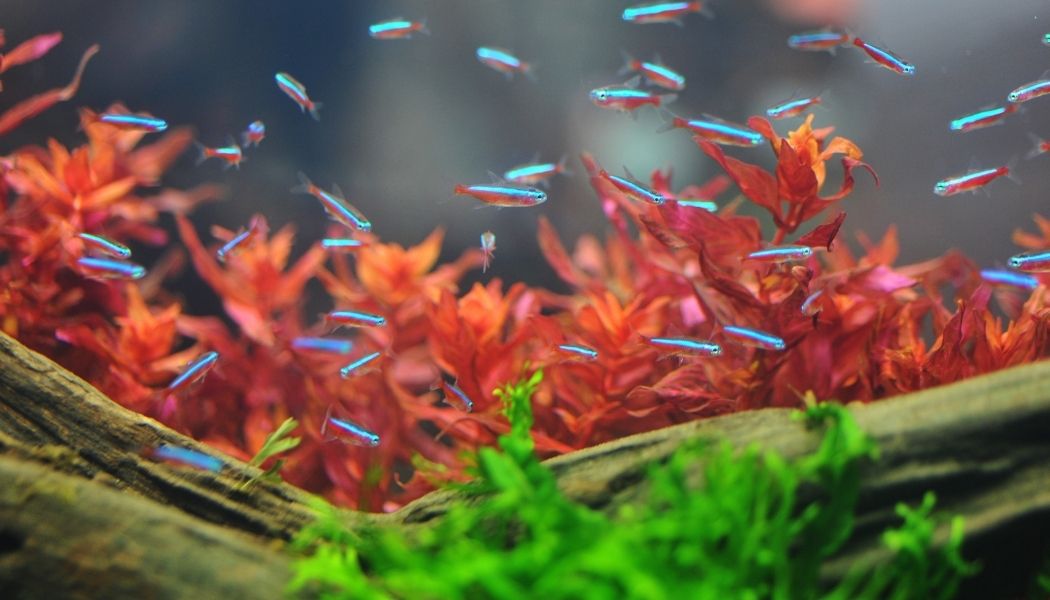
Freshwater Aquarium Fish
Fish ship out on Mondays and Tuesdays to ensure their safety during their...
-
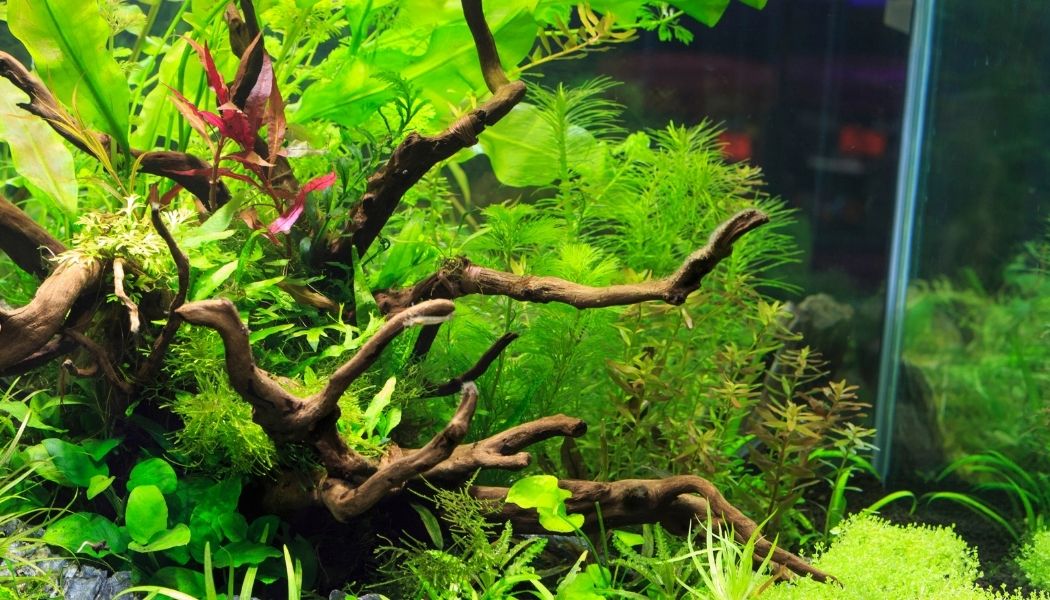
Live Aquatic Plants
Plants ship out on Mondays and Tuesdays to ensure their safety during their...
-
Fish Tank Supplies
All orders are shipped out on Mondays and Tuesdays. Find everything you...
-
Aquariums & Stands
Looking to upgrade your setup? Visit Natural Environment Aquatix in Jacksonville, FL...
