
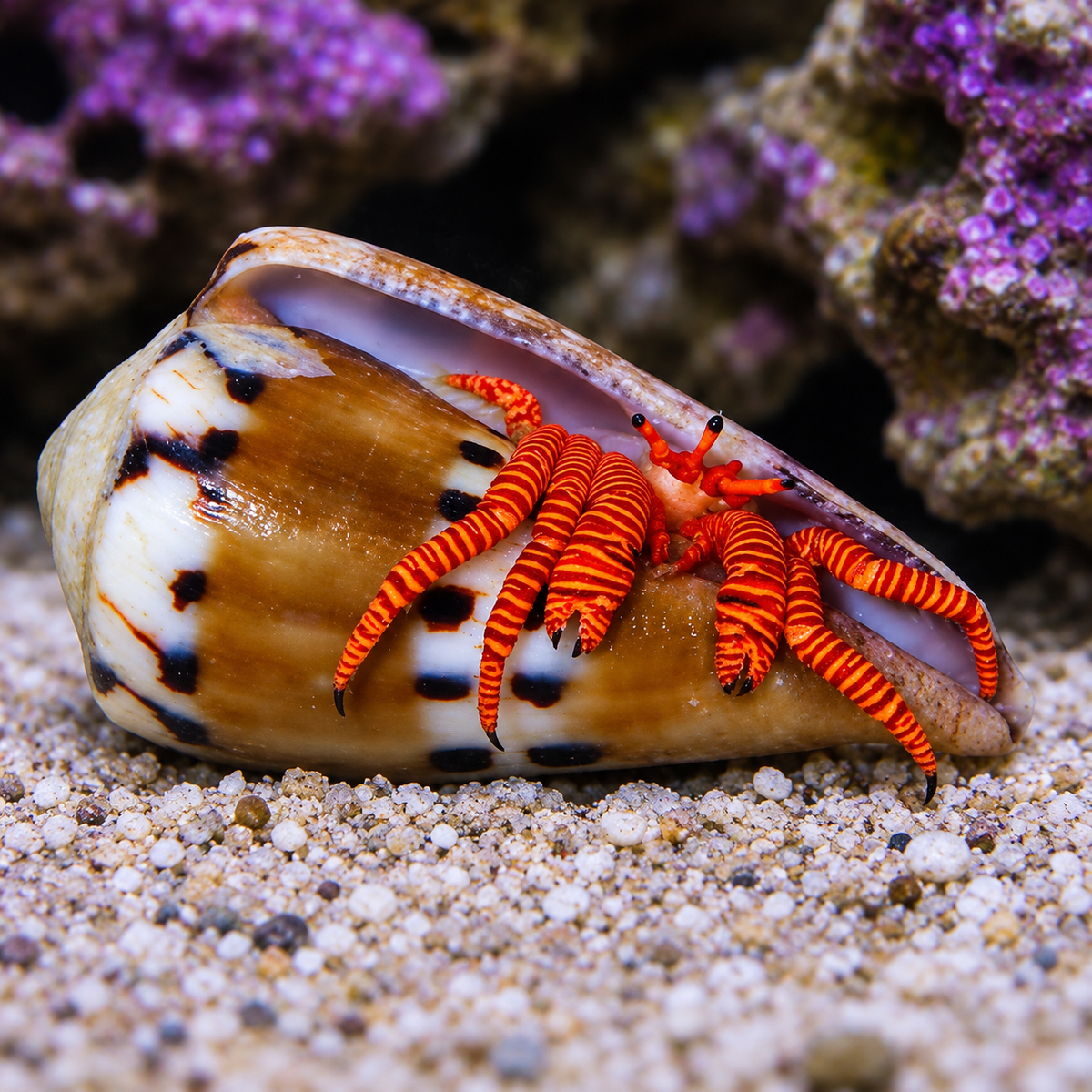
Orange Leg Hermit Crab
Orange Leg Hermit Crab
Couldn't load pickup availability
Orange Leg Hermit Crab – Colorful Saltwater Cleanup Crew Invertebrate for Reef Aquariums
The Orange Leg Hermit Crab is a colorful and hardworking saltwater aquarium invertebrate known for its vibrant orange legs, fascinating scavenging behavior, and ability to help maintain cleaner aquarium surfaces. This active little crustacean is a popular addition to marine aquarium cleanup crews, where it spends much of its time exploring live rock, searching for leftover food, and grazing on certain types of algae.
Orange Leg Hermit Crabs are especially desirable among reef aquarium enthusiasts because of their bright coloration, compact size, and constant activity.
Their distinctive orange legs create an attractive contrast against natural live rock, coral sand, and colorful reef aquarium decorations.
Like other marine hermit crabs, Orange Leg Hermit Crabs protect their soft abdomens by occupying empty snail shells.
As they grow, they may move into larger shells, making their natural shell-changing behavior particularly interesting to observe.
These small crustaceans are opportunistic omnivores and scavengers that consume a variety of available food sources, including algae, detritus, leftover fish food, and decaying organic material.
Their natural scavenging behavior can contribute to a balanced aquarium maintenance routine.
Although Orange Leg Hermit Crabs can help manage certain algae and leftover food, they should not be considered a complete replacement for regular aquarium maintenance.
They are generally suitable for established reef aquariums containing peaceful marine fish, corals, and compatible invertebrates.
However, like other hermit crabs, they may occasionally disturb small coral frags, compete with snails for shells, or become aggressive toward other small invertebrates.
Providing an assortment of appropriately sized empty shells helps reduce competition and encourages natural growth.
Orange Leg Hermit Crabs are relatively easy to maintain in established marine aquariums with stable water conditions.
They are particularly sensitive to copper-based medications and sudden changes in salinity.
With their bright orange coloration, interesting shell-changing behavior, and useful scavenging habits, Orange Leg Hermit Crabs make excellent additions to appropriately stocked saltwater aquarium cleanup crews.
Product Specifications
Common Name: Orange Leg Hermit Crab, Orange-Legged Hermit Crab
Scientific Name: Species Varies by Supplier; Identification Should Be Confirmed
Family: Commonly Diogenidae or Paguridae, Depending on Species
Invertebrate Type: Marine Hermit Crab
Care Level: Easy to Moderate
Temperament: Generally Peaceful; Opportunistic and Occasionally Territorial
Diet: Omnivore / Scavenger
Adult Size: Varies by Species; Many Small Aquarium Varieties Remain Approximately 1–2 Inches
Minimum Tank Size: 10 Gallons for Small Species
Recommended Tank Size: 20 Gallons or Larger for Community Aquariums
Temperature: 74–80°F (23–27°C)
Recommended pH: 8.1–8.4
Specific Gravity: 1.023–1.026
Salinity: Approximately 35 ppt
Water Flow: Low to Moderate
Water Conditions: Clean, Stable, Fully Cycled Saltwater
Recommended Setup: Established Reef Aquarium or Fish-Only Marine Aquarium with Live Rock
Aquarium Location: Live Rock, Substrate, and Aquarium Decorations
Compatibility: Peaceful Marine Fish and Compatible Cleanup Crew Invertebrates
Reef Compatibility: Reef Safe with Caution
Coral Compatibility: Generally Compatible; May Occasionally Disturb Loose Frags
Snail Compatibility: Use Caution; May Compete with Snails for Shells
Natural Behavior: Algae Grazing, Scavenging, and Shell Changing
Origin: Varies Depending on Species
Breeding: Egg Layer; Captive Larval Rearing Is Challenging
Lifespan: Several Years with Proper Care, Depending on Species
Recommended Experience: Beginner to Intermediate Saltwater Aquarists
Key Features
-
Beautiful bright orange legs
-
Attractive coloration against live rock and coral sand
-
Active marine aquarium cleanup crew member
-
Naturally scavenges leftover fish food
-
May consume certain nuisance algae
-
Helps process small amounts of organic debris
-
Fascinating shell-changing behavior
-
Constantly explores aquarium surfaces
-
Compact size suitable for many marine aquariums
-
Generally compatible with established reef systems
-
Interesting natural crustacean behavior
-
Excellent addition to a diverse cleanup crew
-
Adds color and activity to saltwater aquariums
Aquarium Setup and Care Requirements
Aquarium Size: A minimum 10-gallon aquarium may be suitable for smaller Orange Leg Hermit Crab species. Larger aquariums are recommended when maintaining multiple hermit crabs or additional cleanup crew members.
Aquascaping: Include established live rock, natural hiding places, and accessible surfaces for grazing and scavenging.
Substrate: Aragonite sand or other appropriate marine aquarium substrates are suitable.
Live Rock: Established live rock provides natural food sources, shelter, and areas for exploration.
Lighting: Standard marine aquarium lighting is suitable. Orange Leg Hermit Crabs do not require specialized lighting.
Filtration: Use efficient biological and mechanical filtration to maintain excellent water quality.
Water Movement: Low to moderate circulation is suitable, with sheltered areas available.
Diet: Provide a varied diet containing marine algae, sinking invertebrate pellets, and small portions of appropriate meaty foods.
Tankmates: Choose peaceful marine fish that are unlikely to prey upon small crustaceans.
Water Chemistry: Maintain stable salinity, temperature, pH, and alkalinity.
Water Quality: Maintain ammonia and nitrite at zero.
Copper Sensitivity: Never expose Orange Leg Hermit Crabs to copper-based medications or other treatments unsafe for marine invertebrates.
Shell Availability: Provide several empty shells of appropriate sizes and shapes to accommodate growth.
Feeding and Nutrition
Orange Leg Hermit Crabs are opportunistic omnivores and scavengers.
In the wild, marine hermit crabs consume a variety of available food sources, including algae, organic debris, and small food particles.
In home aquariums, they may consume leftover fish food, certain algae, and decaying organic material.
Recommended supplemental foods include:
-
Marine algae wafers
-
Sinking invertebrate pellets
-
Spirulina-based foods
-
Small pieces of dried marine algae
-
Frozen mysis shrimp
-
Enriched frozen brine shrimp
-
Small pieces of chopped marine shrimp
-
Appropriate sinking marine omnivore foods
-
Other high-quality marine invertebrate preparations
A varied diet helps support healthy growth, successful molting, and long-term vitality.
Although Orange Leg Hermit Crabs may find food naturally within established aquariums, supplemental feeding may be necessary.
This is especially important in newer or very clean aquariums where naturally available food is limited.
Offer small amounts of food and remove excess uneaten portions to prevent nutrient buildup.
Proper feeding may also help reduce competition with other cleanup crew members.
Natural Cleanup Crew Benefits
One of the most desirable characteristics of the Orange Leg Hermit Crab is its natural scavenging behavior.
These active crustaceans spend much of their time exploring aquarium surfaces in search of food.
They may help consume:
-
Leftover fish food
-
Certain soft algae growths
-
Algae films
-
Small pieces of organic debris
-
Decaying food particles
-
Other available edible material
Their activity can help reduce the accumulation of some food waste in accessible areas.
Orange Leg Hermit Crabs may also move across live rock and substrate while searching for food.
However, their effectiveness against nuisance algae varies by species and individual.
They should not be expected to eliminate hair algae, cyanobacteria, dinoflagellates, or other aquarium problems.
They are best viewed as one component of a balanced cleanup crew.
For optimal aquarium health, combine appropriate cleanup crew livestock with responsible feeding, nutrient management, filtration, and regular maintenance.
Bright Orange Coloration
Orange Leg Hermit Crabs are especially attractive because of their distinctive orange-colored walking legs.
Depending on the species, the legs may display shades of bright orange, reddish-orange, or orange-brown.
Some individuals may also feature contrasting markings on their claws and other appendages.
Their colorful legs are often visible as they move across live rock and aquarium decorations.
Because they occupy empty snail shells, their overall appearance may vary depending on the shell they are using.
The combination of colorful legs and natural shells creates an interesting appearance in marine aquarium displays.
Individual coloration may vary depending on species, age, lighting, diet, and overall health.
Shell Changing and Growth
Like other marine hermit crabs, Orange Leg Hermit Crabs rely on empty snail shells to protect their soft abdomens.
Unlike true crabs, hermit crabs do not possess a fully hardened external covering around their entire abdomen.
Instead, they occupy abandoned shells for protection.
As the hermit crab grows, its existing shell may become too small.
When this occurs, it searches for a larger or more suitable shell.
Providing several empty shells of different sizes and shapes is important for long-term care.
Without suitable replacement shells, hermit crabs may compete with other hermit crabs or attempt to take shells from living snails.
Shell competition can result in injury or the loss of other cleanup crew members.
Providing additional shells helps reduce this risk, although it does not eliminate it entirely.
Watching hermit crabs inspect and exchange shells is one of the most fascinating aspects of keeping these marine invertebrates.
Molting and Growth
Orange Leg Hermit Crabs grow through a process known as molting.
During molting, the crab sheds its old exoskeleton and develops a new one.
The newly molted crab is temporarily soft and vulnerable.
For this reason, adequate hiding places are essential.
Hermit crabs may remain concealed within their shells or under rockwork during and after molting.
Aquarists may occasionally discover an empty crab-shaped exoskeleton in the aquarium.
This is a normal part of growth and should not automatically be mistaken for a dead crab.
Stable salinity, appropriate mineral balance, and good water quality help support successful molting.
Avoid unnecessary handling or disturbance during this vulnerable period.
Temperament and Compatibility
Orange Leg Hermit Crabs are generally peaceful toward marine fish but may become opportunistic or territorial around other invertebrates.
Their behavior varies depending on species, size, food availability, and shell availability.
They may compete with other hermit crabs for food or preferred shells.
Some individuals may also attack living snails to obtain their shells.
This risk is particularly important in aquariums containing valuable ornamental snails.
Providing appropriate empty shells and sufficient food may help reduce competition.
Suitable companions may include Clownfish, Gobies, Blennies, Cardinalfish, peaceful Wrasses, and other compatible marine community fish.
Avoid housing small hermit crabs with large predatory fish known to consume crustaceans.
Triggerfish, Puffers, certain Wrasses, and other crustacean-eating species may attack or consume hermit crabs.
When adding multiple cleanup crew members, avoid overcrowding and provide adequate food and shelter.
Reef Compatibility
Orange Leg Hermit Crabs are generally considered reef safe with caution.
They do not typically feed directly on healthy coral tissue.
They may coexist with many soft corals, large-polyp stony corals, small-polyp stony corals, Zoanthids, Mushrooms, and other common reef aquarium corals.
Their scavenging behavior can be beneficial in established reef systems.
However, hermit crabs may occasionally climb across coral colonies or disturb small, unsecured coral frags.
They may also compete with ornamental snails for shells.
Because behavior varies by species and individual, reef compatibility cannot be guaranteed in every aquarium.
Secure coral frags and provide adequate food and replacement shells.
With appropriate care and stocking, Orange Leg Hermit Crabs can make useful additions to reef aquarium cleanup crews.
Natural Habitat and Behavior
Orange-legged marine hermit crabs occur in a variety of tropical and subtropical marine environments, depending on the species.
Many inhabit rocky reefs, shallow coastal habitats, sandy areas, and environments containing abundant shells.
They spend much of their time searching for algae, organic debris, and other food sources.
Their walking legs allow them to move across rocks, sand, and aquarium decorations.
In home aquariums, Orange Leg Hermit Crabs frequently establish daily scavenging routines.
They may move from one rock formation to another while searching for food.
When startled, they often retreat into their shells.
Their constant activity and unusual behavior make them interesting additions to marine aquarium displays.
Acclimation and Water Quality Sensitivity
Orange Leg Hermit Crabs are sensitive to sudden changes in water chemistry.
Rapid fluctuations in salinity, temperature, or pH may cause stress and contribute to unsuccessful molting.
Careful acclimation is strongly recommended when introducing new specimens.
The appropriate acclimation method depends on shipping duration, transport water conditions, and supplier recommendations.
A controlled drip-acclimation process may be suitable when water conditions allow, but prolonged exposure to deteriorating shipping water should be avoided.
Always follow the livestock supplier's acclimation instructions.
Orange Leg Hermit Crabs are particularly sensitive to copper and other medications that are toxic to marine invertebrates.
Never introduce them into an aquarium containing unsafe concentrations of copper.
Maintaining a mature, stable aquarium is one of the most important factors for long-term success.
Breeding Information
Orange Leg Hermit Crabs reproduce sexually and release eggs that develop into free-swimming larvae.
Females typically carry developing eggs until they are ready to hatch.
After hatching, larvae enter a planktonic stage.
Successfully raising marine hermit crab larvae in captivity is challenging because they require specialized foods, carefully controlled water conditions, and dedicated marine larval-rearing systems.
Although reproductive activity may occur in home aquariums, successfully raising offspring to adulthood is uncommon.
A dedicated marine breeding system is generally necessary for successful propagation.
Special Care Considerations
-
Maintain stable, fully cycled saltwater conditions.
-
Provide established live rock and natural grazing surfaces.
-
Include caves, crevices, and protected hiding places.
-
Offer supplemental food when natural food availability is limited.
-
Maintain stable salinity and temperature.
-
Avoid sudden changes in water chemistry.
-
Maintain ammonia and nitrite at zero.
-
Avoid copper-based medications and invertebrate-toxic treatments.
-
Use careful acclimation when introducing new specimens.
-
Provide several appropriately sized empty shells.
-
Monitor competition with ornamental snails.
-
Avoid overcrowding the aquarium with excessive cleanup crew members.
-
Choose peaceful fish that will not prey upon small crustaceans.
-
Avoid large predatory Wrasses, Triggerfish, and Puffers.
-
Provide secure hiding places during molting.
-
Do not disturb hermit crabs during the molting process.
-
Maintain excellent filtration and regular aquarium maintenance.
-
Understand that algae consumption varies between individuals and species.
-
Do not rely exclusively on hermit crabs for algae control.
-
Confirm the exact species when specific adult size or compatibility information is required.
Why Choose the Orange Leg Hermit Crab?
The Orange Leg Hermit Crab is a colorful and hardworking marine invertebrate that combines beautiful orange coloration, fascinating shell-changing behavior, and useful scavenging habits.
Its bright orange legs create an attractive contrast against natural live rock, coral sand, and colorful reef aquarium decorations.
Unlike purely ornamental marine invertebrates, Orange Leg Hermit Crabs may also contribute to aquarium maintenance by consuming leftover food, certain algae, and organic debris.
Their constant exploration adds natural movement and activity throughout the aquarium.
Orange Leg Hermit Crabs are especially appealing to marine aquarium enthusiasts looking to build a diverse cleanup crew with interesting and colorful invertebrates.
Their compact size makes smaller species suitable for many established saltwater aquariums.
Whether you're building a new cleanup crew, expanding an established reef aquarium, or looking for a colorful marine hermit crab with fascinating natural behavior, the Orange Leg Hermit Crab offers beauty, activity, and practical scavenging benefits.
Add an Orange Leg Hermit Crab to your saltwater aquarium cleanup crew and enjoy a colorful little scavenger that stays busy exploring your reef!
Note: "Orange Leg Hermit Crab" is a trade name that may refer to more than one marine hermit crab species. The exact scientific identification, adult size, origin, and temperament should be confirmed with the supplier. Individual coloration, feeding preferences, and behavior may vary. Although generally considered reef safe with caution, hermit crabs may disturb unsecured coral frags or compete with living snails for shells. Providing appropriately sized empty shells and adequate food can help reduce competition. Orange Leg Hermit Crabs are sensitive to sudden changes in water chemistry and must not be exposed to copper-based medications or other treatments unsafe for marine invertebrates. Photographs may be representative unless the crab is specifically listed as WYSIWYG (What You See Is What You Get).
Share
Shop More
-
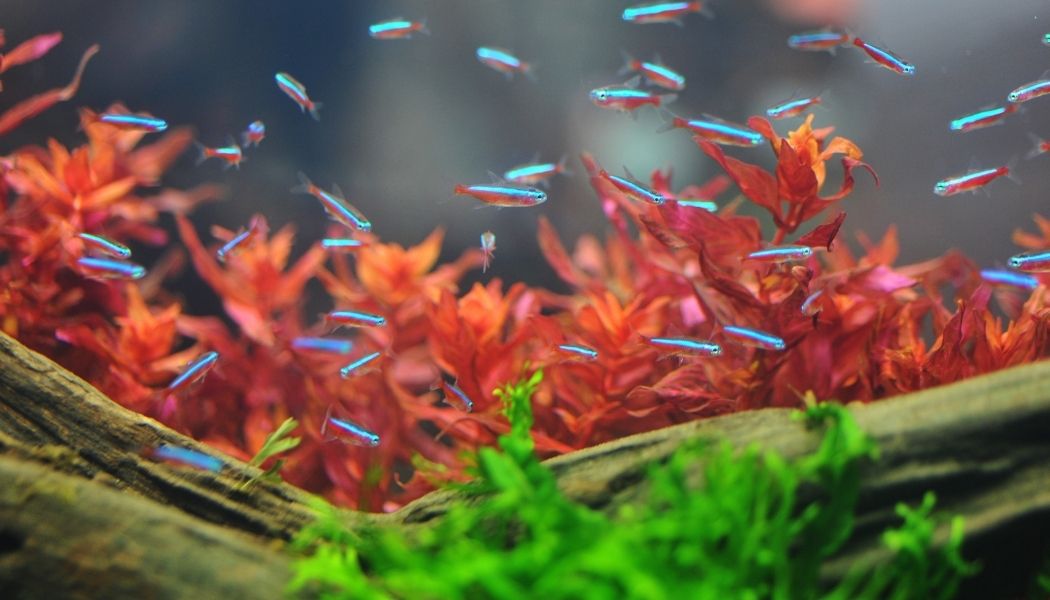
Freshwater Aquarium Fish
Fish ship out on Mondays and Tuesdays to ensure their safety during their...
-
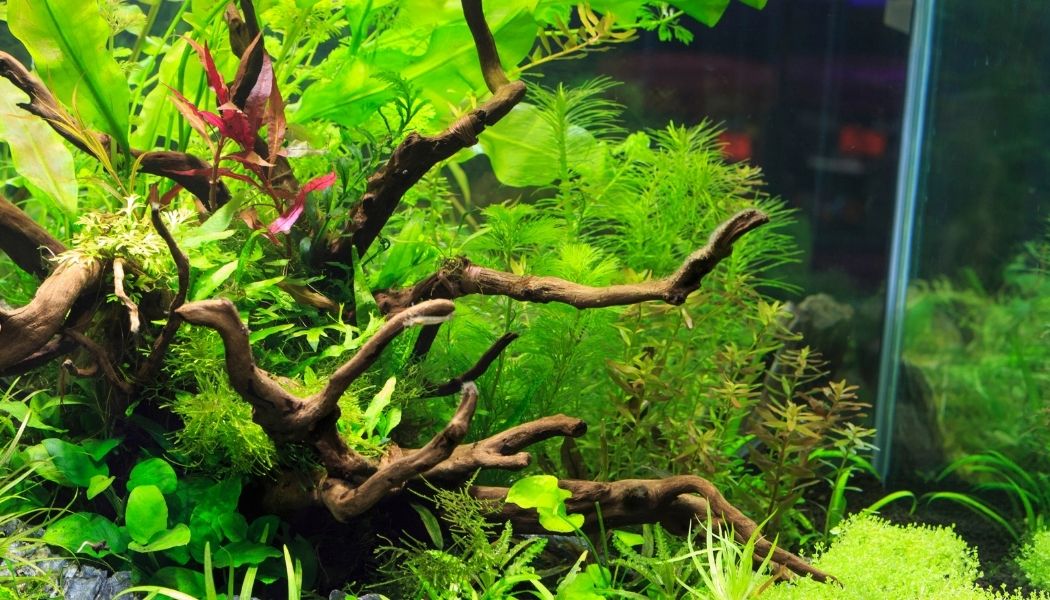
Live Aquatic Plants
Plants ship out on Mondays and Tuesdays to ensure their safety during their...
-
Fish Tank Supplies
All orders are shipped out on Mondays and Tuesdays. Find everything you...
-
Aquariums & Stands
Looking to upgrade your setup? Visit Natural Environment Aquatix in Jacksonville, FL...
