
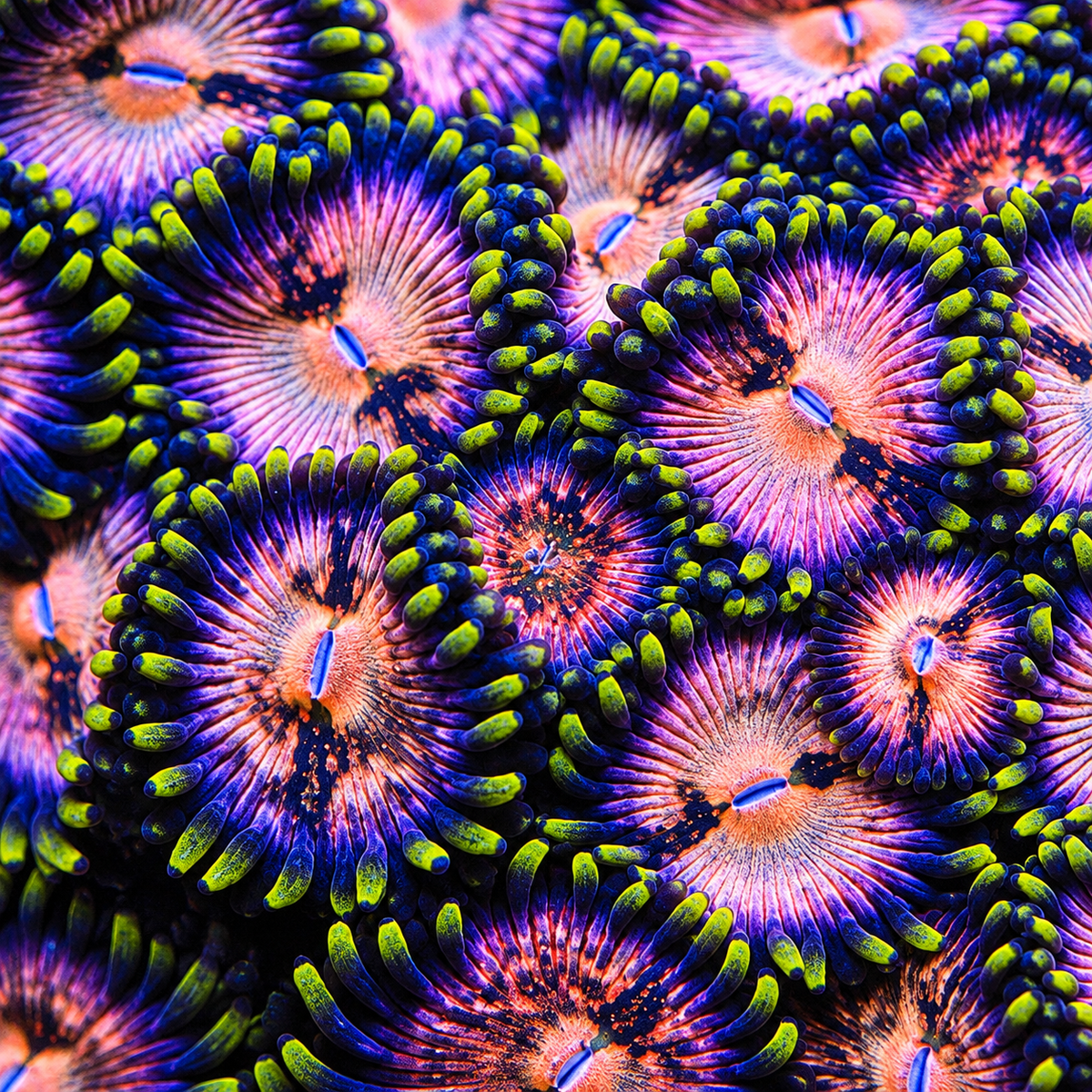
Nirvana Zoanthids Coral
Nirvana Zoanthids Coral
Couldn't load pickup availability
Nirvana Zoanthids Coral (Zoanthus sp.) – Vibrant Multicolored Zoas for Saltwater Reef Aquariums
Nirvana Zoanthids Coral is a stunning ornamental reef coral prized for its beautiful contrasting coloration, attractive flower-like polyps, and vibrant appearance under reef aquarium lighting. This desirable Zoanthid variety is an excellent choice for saltwater aquarium enthusiasts looking to add brilliant color, unique patterns, and natural beauty to their reef aquariums.
Commonly referred to as Nirvana Zoas or Nirvana Zoanthids, this named aquarium trade variety is generally associated with the genus Zoanthus.
Nirvana Zoanthids are admired for their distinctive multicolored appearance, which may include combinations of purple, pink, orange, yellow, green, and contrasting darker markings depending on the cultured lineage.
Their attractive central discs, colorful rings, and decorative outer skirts create a striking appearance when the polyps are fully extended.
Under blue-spectrum and actinic reef aquarium lighting, fluorescent pigments may become especially vibrant, creating an eye-catching display.
Because Nirvana is an aquarium trade name rather than a standardized scientific designation, the exact color pattern and lineage should be confirmed from the individual specimen being offered.
Each Nirvana Zoanthid polyp features a central oral disc surrounded by a ring of delicate tentacles, commonly referred to as the skirt.
When fully extended, these polyps resemble miniature underwater flowers.
As the colony becomes established, new polyps gradually develop around existing growth, creating an expanding display across coral frag plugs and nearby rockwork.
Over time, a small Nirvana Zoanthid frag may develop into a beautiful colony of colorful polyps.
Nirvana Zoanthids are generally considered relatively easy to maintain in mature, stable saltwater aquariums.
They typically prefer low to moderate lighting, moderate indirect water flow, and consistent water chemistry.
Like other photosynthetic Zoanthids, Nirvana Zoas contain symbiotic algae that provide much of their nutritional energy through photosynthesis.
They may also capture fine suspended food particles from the surrounding water.
Supplemental feeding is generally optional, making these corals an appealing choice for reef aquarists seeking vibrant coloration with manageable feeding requirements.
Nirvana Zoanthids are generally compatible with peaceful reef fish and many common marine invertebrates.
However, their colonies can gradually spread across nearby rockwork and potentially overgrow slower-growing corals.
Adequate spacing and occasional colony management are recommended.
With their beautiful multicolored appearance, distinctive flower-like polyps, and relatively manageable care requirements, Nirvana Zoanthids Coral is an outstanding addition to established saltwater reef aquariums.
Product Specifications
Common Name: Nirvana Zoanthids Coral, Nirvana Zoas, Nirvana Zoa Coral
Scientific Name: Zoanthus sp. (Exact Species Requires Confirmation)
Coral Type: Colonial Zoanthid
Family: Zoanthidae
Care Level: Easy to Moderate
Temperament: Generally Peaceful, but Can Overgrow Neighboring Corals
Coloration: Multicolored, Potentially Including Purple, Pink, Orange, Yellow, Green, and Contrasting Darker Tones; Exact Pattern Varies by Specimen
Growth Form: Colonial Polyps Connected by Living Tissue
Growth Rate: Moderate Under Favorable Conditions; Varies by Lineage
Maximum Size: Individual Polyps Remain Small; Colonies Can Spread Across Available Rockwork
Minimum Tank Size: 10 Gallons in a Stable, Established Reef Aquarium
Recommended Tank Size: 20 Gallons or Larger
Temperature: 75–80°F (24–27°C)
Recommended pH: 8.1–8.4
Specific Gravity: 1.024–1.026
Salinity: Approximately 35 ppt
Alkalinity: Approximately 8–11 dKH
Calcium: Approximately 400–450 ppm for Mixed Reef Systems
Magnesium: Approximately 1250–1350 ppm for Mixed Reef Systems
Lighting: Low to Moderate
Suggested PAR: Approximately 75–150 as an Initial Guideline
Water Flow: Moderate, Indirect
Placement: Lower to Middle Aquarium Areas
Diet: Primarily Photosynthetic; May Capture Fine Particulate Foods
Feeding Requirements: Supplemental Feeding Optional
Reef Compatibility: Reef Safe with Appropriate Spacing
Fish Compatibility: Generally Compatible with Reef-Safe Marine Fish
Invertebrate Compatibility: Generally Compatible with Reef-Safe Marine Invertebrates
Propagation: Natural Colony Growth and Coral Fragging
Origin: Aquarium Trade Variety; Exact Geographic Origin Not Established
Recommended Experience: Beginner to Intermediate Reef Aquarists
Key Features
-
Beautiful multicolored Zoanthid polyps
-
Attractive contrasting central discs and outer skirts
-
Desirable named aquarium trade variety
-
Distinctive flower-like polyp structure
-
Excellent addition to colorful reef aquariums
-
Beautiful fluorescence under blue reef aquarium lighting
-
Suitable for established nano reef aquariums
-
Relatively manageable care requirements
-
Photosynthetic with optional supplemental feeding
-
Can develop attractive expanding colonies
-
Excellent choice for Zoanthid gardens
-
Adds natural texture and color to live rock
-
Complements many other colorful Zoanthid varieties
-
Can be propagated through coral fragging
-
Popular among beginner and experienced reef aquarium enthusiasts
Aquarium Setup and Care Requirements
Nirvana Zoanthids thrive in established reef aquariums with stable water chemistry, appropriate lighting, and moderate water movement.
Although Zoanthids are generally considered adaptable, sudden changes in aquarium conditions can cause stress.
Aquarium Size: Nirvana Zoanthids can be maintained in established nano reef aquariums and larger marine systems. A minimum aquarium size of approximately 10 gallons is generally suitable when stable water conditions are maintained.
Aquascaping: Position the coral on stable live rock, a coral frag plug, or an isolated rock structure where it can receive appropriate lighting and water circulation.
Placement: Lower to middle aquarium placement is generally recommended. Final positioning should be based on actual PAR measurements and the coral's response.
Lighting: Low to moderate reef aquarium lighting is preferred. Excessively intense lighting may cause bleaching or tissue stress if the coral is not properly acclimated.
Water Flow: Moderate indirect flow helps remove debris and deliver nutrients without forcing the polyps to remain closed.
Filtration: Maintain efficient biological filtration and stable water chemistry.
Nutrients: Maintain appropriate nitrate and phosphate availability. Avoid extremely nutrient-depleted conditions.
Water Chemistry: Maintain stable salinity, temperature, pH, and alkalinity.
Coral Spacing: Allow sufficient room for colony expansion and prevent unwanted overgrowth onto neighboring corals.
Maintenance: Regularly inspect the colony for pests, nuisance algae, and tissue deterioration.
Acclimation: Gradually introduce the coral to stronger lighting and higher water flow.
Lighting Requirements
Nirvana Zoanthids are photosynthetic corals that rely heavily on symbiotic dinoflagellates, commonly called zooxanthellae, for their nutritional needs.
These microorganisms live within the coral's tissues and use light energy to produce compounds that help support coral growth and maintenance.
Low to moderate reef aquarium lighting is generally recommended.
A PAR range of approximately 75–150 is a useful initial guideline, although individual colonies may adapt to conditions outside this range.
Exact lighting requirements depend on aquarium depth, lighting spectrum, previous growing conditions, and coral acclimation.
Nirvana Zoanthids may display particularly attractive coloration under blue-spectrum reef aquarium lighting.
Their contrasting pigments and fluorescent highlights can create a striking appearance under appropriate actinic illumination.
However, lighting should be selected to support coral health rather than coloration alone.
When introducing a new frag, begin in a lower-light area and gradually adjust placement if necessary.
Sudden exposure to intense lighting may cause polyps to remain closed, lose coloration, or experience bleaching.
Healthy colonies generally display consistent polyp extension, stable coloration, and continued growth.
Water Flow Requirements
Nirvana Zoanthids generally prefer moderate indirect water movement.
Appropriate circulation helps deliver nutrients and remove debris from the colony.
Water flow also helps prevent detritus from accumulating between closely spaced polyps.
However, excessive direct flow may cause the polyps to remain partially or completely closed.
Avoid positioning the coral directly in front of a powerful wavemaker or return nozzle.
Instead, choose an area where the polyps receive gentle, consistent movement.
If the coral remains closed for extended periods, evaluate lighting, water chemistry, flow intensity, and potential irritation from nearby organisms.
Feeding and Nutrition
Nirvana Zoanthids receive much of their nutritional energy through photosynthesis.
Their symbiotic zooxanthellae use aquarium lighting to produce energy-rich compounds that support coral growth and maintenance.
Because of this relationship, Nirvana Zoanthids do not require frequent direct feeding in every aquarium.
However, they may capture small suspended food particles and benefit from appropriate supplemental nutrition.
Potential supplemental foods include:
-
Fine powdered coral foods
-
Small marine zooplankton
-
Rotifers
-
Appropriately sized marine plankton
-
Fine particulate reef foods
-
Other coral foods formulated for Zoanthids
Supplemental feeding should be performed carefully.
Not every Zoanthid colony responds strongly to direct feeding, and excessive food can contribute to elevated nutrients and nuisance algae.
If feeding is offered, use small amounts and observe the coral's response.
Maintaining stable water parameters and appropriate lighting is generally more important than frequent target feeding.
Stunning Nirvana Coloration
One of the most desirable characteristics of Nirvana Zoanthids is their attractive multicolored appearance.
The Nirvana trade name is associated with ornamental Zoanthids featuring colorful contrasting patterns.
Depending on the individual cultured lineage, the polyps may display combinations of purple, pink, orange, yellow, green, and contrasting darker markings.
Some specimens may feature colorful central discs surrounded by contrasting rings and decorative outer skirts.
Under blue-spectrum reef aquarium lighting, fluorescent pigments may become especially vibrant.
When fully extended, the polyps resemble miniature colorful flowers growing together across the rockwork.
This appearance makes Nirvana Zoanthids particularly attractive for aquarium enthusiasts looking to create colorful Zoanthid gardens.
Their distinctive coloration can provide beautiful contrast when displayed alongside other popular Zoanthid varieties.
Individual coloration may vary depending on the specific cultured lineage, lighting spectrum, nutrient availability, and overall aquarium conditions.
Because Nirvana is an aquarium trade name rather than a standardized scientific designation, actual coloration should be confirmed from photographs of the specific specimen.
Growth and Colony Development
Nirvana Zoanthids grow as colonies of individual polyps connected by living tissue.
As the colony becomes established, new polyps may develop around existing growth.
Over time, a small frag may expand into a larger cluster of colorful polyps.
Growth rate depends on lighting, water chemistry, nutrient availability, stability, and overall coral health.
Some Nirvana Zoanthid lineages may grow relatively quickly, while others may develop more slowly.
Under favorable conditions, healthy colonies may gradually spread across nearby rockwork.
Because Zoanthids can expand across available surfaces, aquarists should plan their placement carefully.
An isolated rock island may help limit unwanted expansion onto surrounding reef structures.
Regular observation and controlled propagation can help maintain the desired colony size.
Creating a Colorful Zoanthid Garden
Nirvana Zoanthids are an excellent choice for colorful Zoanthid gardens.
A Zoanthid garden combines multiple varieties of Zoanthids on a shared rock structure or designated display area.
The result can resemble a vibrant underwater flower garden.
Nirvana Zoanthids provide attractive contrasting coloration that complements many other popular Zoanthid varieties.
Potential companion varieties include:
-
Rasta Zoanthids
-
Sunny D Zoanthids
-
LA Lakers Zoanthids
-
Blueberry Zoanthids
-
Detonator Zoanthids
-
Galactic Burst Zoanthids
-
Rainbow Spectrum Zoanthids
-
Purple Heart Zoanthids
-
Utter Chaos Zoanthids
-
Eagle Eye Zoanthids
-
Radioactive Dragon Eye Zoanthids
When designing a Zoanthid garden, consider differences in growth rates and potential overgrowth.
Some varieties may expand more rapidly than others.
Allowing adequate space between colonies can help preserve the appearance of each variety.
Nirvana Zoanthids vs. Other Popular Zoanthids
Nirvana Zoanthids are desirable because of their colorful appearance and attractive colonial growth.
Although many Zoanthid varieties share similar care requirements, their color patterns can vary dramatically.
Nirvana Zoanthids: Named aquarium trade variety marketed for multicolored polyps with contrasting central and outer patterns.
Rasta Zoanthids: Known for vibrant orange, yellow, green, and contrasting darker markings.
Sunny D Zoanthids: Typically display bright orange, yellow, and green coloration.
LA Lakers Zoanthids: Known for contrasting purple and golden-yellow coloration.
Blueberry Zoanthids: Marketed for blue, lavender, violet, and purple coloration.
Rainbow Spectrum Zoanthids: Named trade variety associated with multicolored polyp patterns.
Purple Heart Zoanthids: Marketed for purple or violet central coloration with contrasting outer patterns.
Detonator Zoanthids: Named trade variety marketed for attractive contrasting colors.
Galactic Burst Zoanthids: Named trade variety associated with colorful, contrasting polyp patterns.
Utter Chaos Zoanthids: Known for dramatic orange and contrasting dark patterns.
These varieties can be combined to create beautiful multicolored Zoanthid gardens when adequate spacing is maintained.
Reef Compatibility
Nirvana Zoanthids are generally considered reef-safe corals.
They do not actively hunt aquarium fish or consume healthy neighboring corals.
However, like many colonial corals, they can compete for space as they grow.
An expanding colony may spread across nearby rockwork and potentially overgrow slower-growing corals.
Direct contact with neighboring corals may also result in irritation or competition.
For this reason, provide adequate spacing and monitor colony expansion.
Nirvana Zoanthids are generally compatible with many common reef aquarium fish, including:
-
Clownfish
-
Gobies
-
Blennies
-
Cardinalfish
-
Fairy Wrasses
-
Possum Wrasses
-
Other appropriately selected reef-safe marine fish
However, some Angelfish, Butterflyfish, and other coral-nipping fish may damage Zoanthid polyps.
Choose tankmates carefully to reduce the risk of coral predation.
Many reef-safe shrimp, snails, and other invertebrates can coexist with Zoanthids.
However, certain crabs and other disruptive invertebrates may knock over unsecured coral frags.
Secure placement and careful livestock selection help protect the colony.
Zoanthid Pests and Maintenance
Like other Zoanthids, Nirvana Zoas may be affected by certain pests and environmental problems.
Potential concerns include:
-
Zoanthid-eating nudibranchs
-
Sundial snails
-
Certain coral-eating invertebrates
-
Nuisance algae growing between polyps
-
Sediment accumulation
-
Bacterial or other tissue infections
-
Irritation from neighboring corals
New coral frags should be carefully inspected before introduction into an established reef aquarium.
An appropriate coral quarantine and dipping process may help reduce the risk of introducing unwanted pests.
Only use coral dips specifically suitable for Zoanthids, following the manufacturer's instructions.
Avoid using treatments that have not been confirmed safe for the coral.
Regular observation helps identify problems before they affect the entire colony.
Important Zoanthid Safety Information
Zoanthids and related colonial anemones may contain palytoxin or other potentially harmful compounds. Toxin content cannot be determined by appearance, trade name, or color.
Palytoxin exposure can cause serious illness in humans and animals.
Always handle Nirvana Zoanthids with appropriate precautions.
Recommended safety practices include:
-
Wear protective gloves when handling Zoanthids.
-
Use eye protection when fragging or working near exposed coral tissue.
-
Avoid touching your face, eyes, or mouth after handling corals.
-
Wash hands and equipment thoroughly after aquarium maintenance.
-
Never boil, steam, microwave, or heat Zoanthid-covered rock.
-
Never scrub or cut Zoanthids in a way that creates airborne droplets or aerosols.
-
Avoid using high-pressure water or powered cutting equipment that may aerosolize coral tissue.
-
Keep Zoanthids and aquarium maintenance materials away from children and pets.
-
Cover cuts or wounds before working in the aquarium.
-
Use appropriate tools and safe handling procedures when fragging.
If a suspected exposure occurs, seek immediate medical guidance or contact Poison Control in the United States at 1-800-222-1222.
Severe symptoms, especially breathing difficulties, require emergency medical attention.
These precautions are important for all Zoanthid varieties, including Nirvana Zoanthids.
Propagation and Fragging
Nirvana Zoanthids may be propagated through careful coral fragging.
As the colony expands, small groups of polyps may be separated and attached to new frag plugs or rock structures.
However, Zoanthid fragging should only be performed by experienced aquarists using appropriate protective equipment and safe procedures.
Because Zoanthids may contain dangerous toxins, avoid methods that create aerosols, splashes, or unnecessary tissue damage.
Use suitable tools and a controlled workspace.
Newly propagated fragments should be allowed to recover in stable aquarium conditions.
Healthy frags may gradually reopen and resume growth after successful propagation.
Acclimation and Introduction
Nirvana Zoanthids should be introduced into a mature, stable saltwater aquarium.
Before placing the coral into the display, inspect it for unwanted pests, nuisance algae, and damaged tissue.
An appropriate coral quarantine and dipping process is recommended.
Gradually acclimate the coral to the aquarium's lighting conditions.
Newly introduced Zoanthids may remain partially closed while adjusting to their new environment.
Temporary closure can occur following transportation or handling.
However, prolonged closure, tissue deterioration, or rapid color loss may indicate a problem.
Evaluate lighting, water flow, water chemistry, pests, and nearby coral interactions if the colony does not recover.
Stable conditions and minimal unnecessary handling help support successful acclimation.
Special Care Considerations
-
Maintain stable, fully cycled saltwater conditions.
-
Provide low to moderate reef aquarium lighting.
-
Gradually acclimate new frags to stronger lighting.
-
Maintain moderate indirect water flow.
-
Avoid placing the coral directly in powerful water currents.
-
Maintain stable salinity and temperature.
-
Keep alkalinity reasonably consistent.
-
Avoid sudden changes in water chemistry.
-
Maintain appropriate nitrate and phosphate availability.
-
Avoid excessive nutrient depletion.
-
Provide sufficient space for colony expansion.
-
Monitor nearby corals for potential overgrowth.
-
Inspect new frags for pests before introduction.
-
Use appropriate coral quarantine and dipping procedures.
-
Avoid aggressive coral-nipping fish.
-
Remove nuisance algae carefully when necessary.
-
Avoid unnecessary handling and disturbance.
-
Wear protective gloves and eye protection when handling Zoanthids.
-
Never boil, steam, or heat Zoanthid-covered rock.
-
Avoid creating aerosols or splashes from coral tissue.
-
Use appropriate safety procedures when fragging.
-
Maintain regular aquarium maintenance and water testing.
Why Choose Nirvana Zoanthids Coral?
Nirvana Zoanthids Coral is a beautiful addition to reef aquariums that combines vibrant multicolored polyps with charming flower-like shapes and attractive colonial growth.
Its distinctive contrasting coloration makes it an excellent choice for aquarium enthusiasts looking to create a colorful and visually impressive reef display.
Unlike many more demanding coral varieties, Nirvana Zoanthids are generally adaptable to a range of established reef aquarium conditions.
Their manageable care requirements make them appealing to both newer reef keepers and experienced coral collectors.
As the colony grows, individual polyps may spread across available rockwork, creating a beautiful cluster of colorful Zoanthids.
Nirvana Zoanthids are particularly desirable for Zoanthid gardens, nano reef aquariums, and mixed reef displays.
Their contrasting coloration creates an attractive complement to many other colorful reef corals.
Whether you're building your first Zoanthid garden, expanding an established coral collection, or looking for a unique reef coral with beautiful multicolored polyps, Nirvana Zoanthids offer beauty, color, and lasting visual appeal.
Bring brilliant color and natural beauty to your reef aquarium with Nirvana Zoanthids Coral! Their vibrant flower-like polyps and striking contrasting patterns make them a standout addition to any colorful saltwater coral collection.
Note: Nirvana Zoanthids Coral is an aquarium trade name generally associated with Zoanthus sp. The exact species and color pattern should be confirmed with the supplier. Individual coloration, polyp size, growth rate, and appearance may vary depending on the cultured lineage, lighting, water chemistry, and growing conditions. Zoanthids may contain palytoxin or other harmful compounds and must always be handled using appropriate safety precautions. Never boil, steam, or heat Zoanthid-covered rock, and avoid any activity that may aerosolize coral tissue. Photographs may be representative unless the coral is specifically listed as WYSIWYG (What You See Is What You Get). The number of polyps included may vary by the specific product selection.
Share
Shop More
-
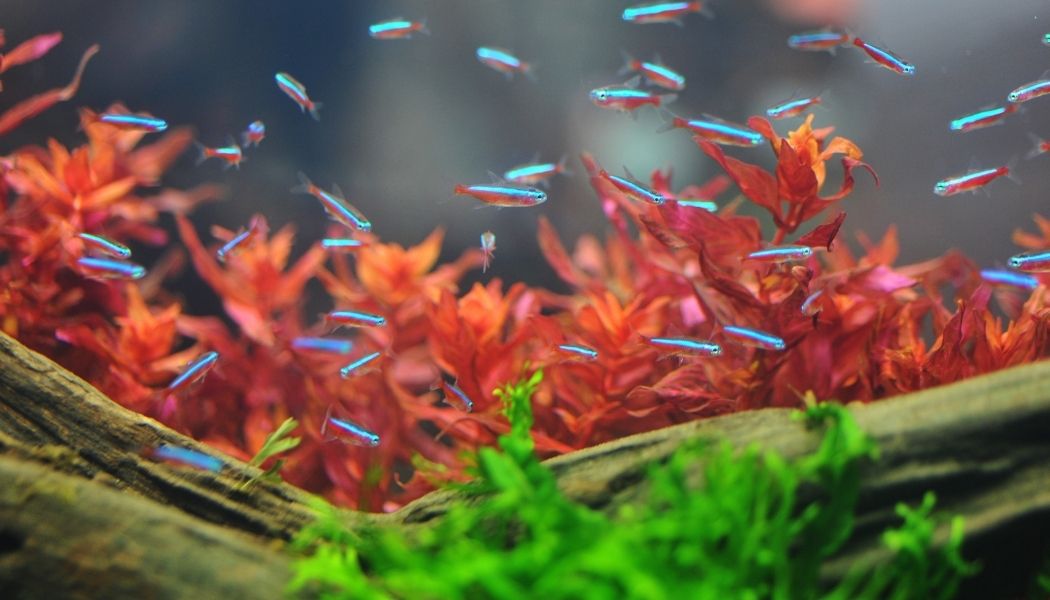
Freshwater Aquarium Fish
Fish ship out on Mondays and Tuesdays to ensure their safety during their...
-
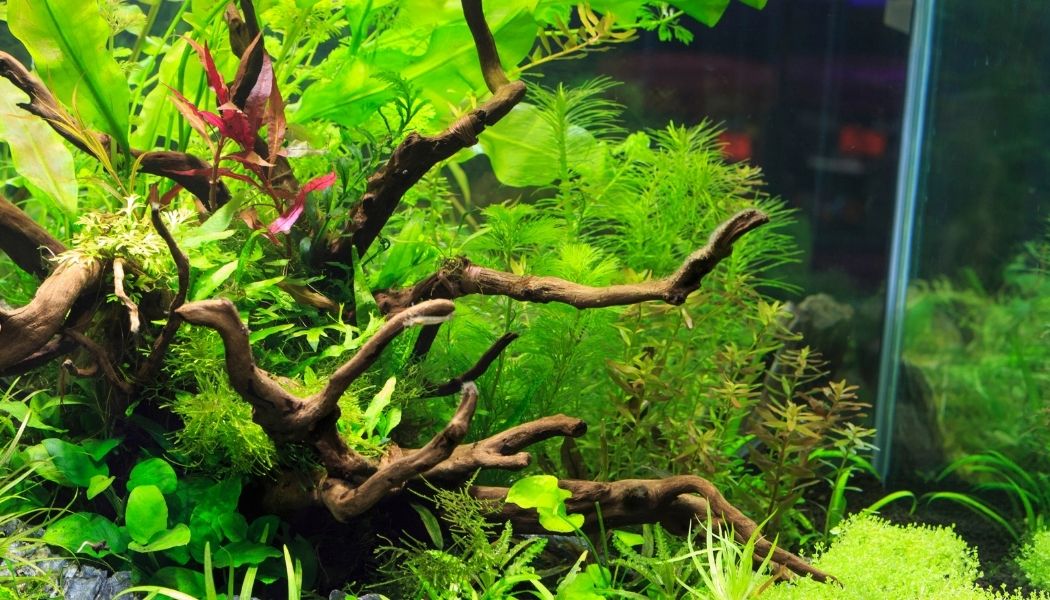
Live Aquatic Plants
Plants ship out on Mondays and Tuesdays to ensure their safety during their...
-
Fish Tank Supplies
All orders are shipped out on Mondays and Tuesdays. Find everything you...
-
Aquariums & Stands
Looking to upgrade your setup? Visit Natural Environment Aquatix in Jacksonville, FL...
