Nanochromis Transvestitus (Nanochromis transvestitus)
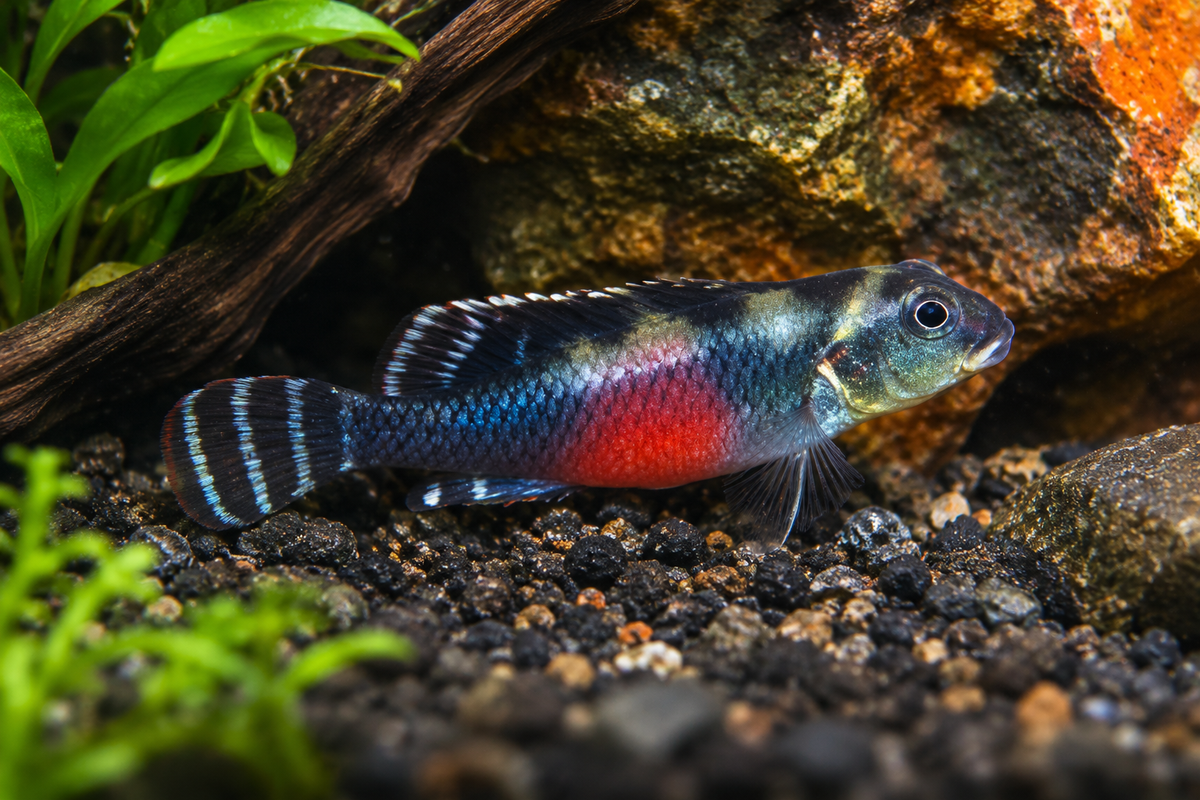
The Nanochromis Transvestitus is a rare and fascinating West African dwarf cichlid prized for its beautiful coloration, unique breeding behavior, and compact adult size. Also known as the Transvestite Dwarf Cichlid, this remarkable species is especially unusual because females often display more vibrant coloration than males. Mature females develop brilliant reddish-purple bellies, contrasting black-and-white markings, and attractive iridescent highlights, while males typically exhibit more subdued coloration with elegant elongated fins.
Native to Lake Mai-Ndombe in the Democratic Republic of the Congo, Nanochromis transvestitus inhabits soft, acidic blackwater environments. The lake's naturally dark, tannin-stained water provides a specialized habitat that should be carefully replicated in captivity. This species is best maintained in a mature aquarium with very soft water, acidic conditions, subdued lighting, and excellent water quality.
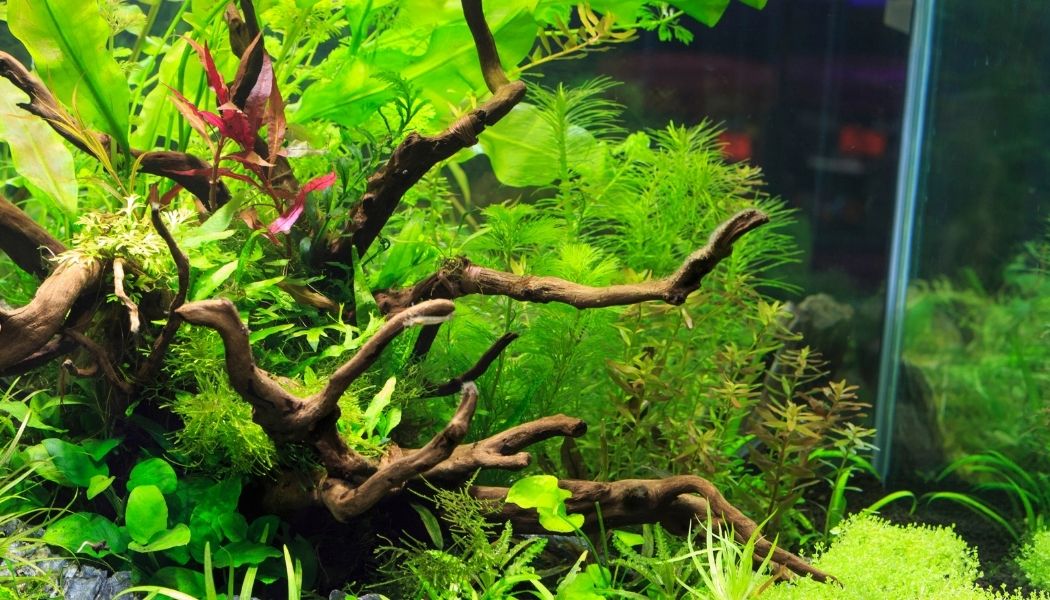
In the aquarium, Nanochromis Transvestitus appreciates fine sand, driftwood, leaf litter, caves, and sheltered areas that provide security and natural territories. A sandy substrate is particularly important because these dwarf cichlids naturally sift through the substrate while searching for food. Coconut caves, small ceramic shelters, and carefully arranged rockwork can provide suitable spawning locations and hiding places.
Nanochromis Transvestitus are omnivorous micropredators that feed primarily on small aquatic invertebrates and other available food sources. In captivity, they benefit from a varied diet of high-quality small sinking pellets, frozen or live brine shrimp, daphnia, cyclops, and bloodworms. Offering a combination of prepared and appropriately sized frozen or live foods helps maintain healthy growth, vibrant coloration, and breeding condition.
Although relatively small, this species can be territorial, particularly during spawning. Compatible pairs may establish and defend caves or sheltered areas, and aggression can increase significantly when eggs or fry are present. A species-focused aquarium or carefully planned community containing peaceful fish that tolerate similar soft, acidic water conditions is recommended.
One of the most fascinating characteristics of Nanochromis transvestitus is its unusual sexual dimorphism. Unlike many cichlids, females often display the more dramatic coloration, especially during courtship. The species is a cave-spawning cichlid, and both parents may participate in protecting the eggs and developing fry.
Because of its specialized water chemistry requirements, Nanochromis Transvestitus is best suited for experienced aquarists familiar with maintaining soft-water African dwarf cichlids. Stable conditions are especially important, as sudden changes in pH, hardness, or temperature can cause unnecessary stress.
Scientific Name: Nanochromis transvestitus
Common Name: Nanochromis Transvestitus, Transvestite Dwarf Cichlid
Care Level: Advanced
Temperament: Semi-Aggressive / Territorial During Breeding
Diet: Omnivore / Micropredator
Adult Size: Approximately 2–3 Inches
Minimum Tank Size: 20 Gallons for a Compatible Pair
Temperature: 75–80°F
Recommended pH: 4.5–6.5
Water Hardness: Very Soft, Ideally 0–5 dGH
Recommended Setup: Mature Blackwater Aquarium with Fine Sand, Driftwood, Leaf Litter, and Caves
Breeding Behavior: Cave Spawner with Parental Care
Origin: Lake Mai-Ndombe, Democratic Republic of the Congo, Africa
If you're looking for a rare African dwarf cichlid with exceptional coloration and fascinating natural behavior, the Nanochromis Transvestitus is an outstanding choice. Its beautiful reddish-purple females, unique courtship displays, and interesting parental care make it a remarkable addition to a specialized blackwater aquarium. For dedicated aquarists who can provide the appropriate soft, acidic conditions, this species offers an especially rewarding fishkeeping experience.