
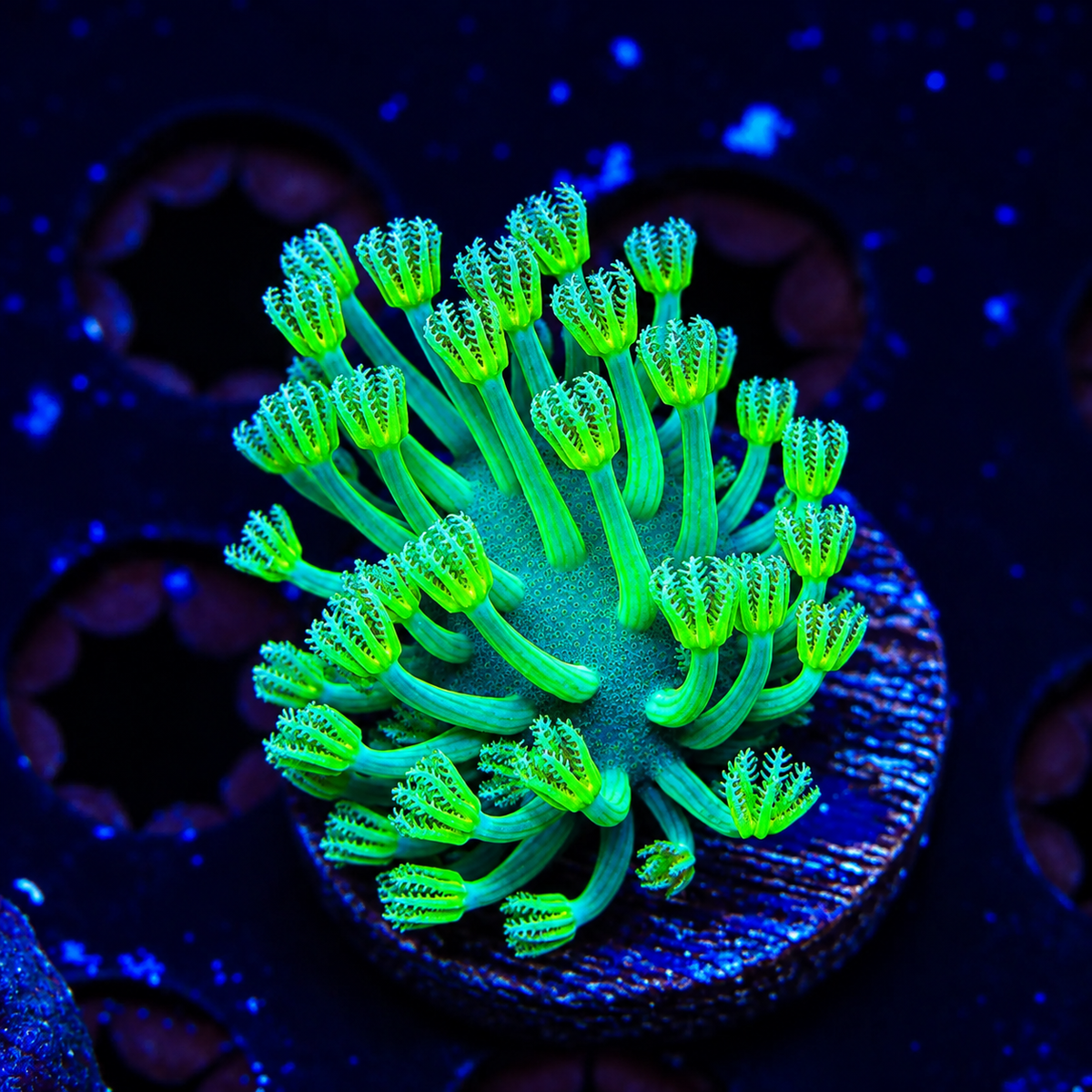
Green Long Polyp Toadstool Leather Coral
Green Long Polyp Toadstool Leather Coral
Couldn't load pickup availability
Green Long Polyp Toadstool Leather Coral (Sarcophyton sp.) – Vibrant Green Soft Coral with Beautiful Flowing Polyps
Green Long Polyp Toadstool Leather Coral is a stunning ornamental soft coral known for its brilliant green polyps, graceful flowing movement, and distinctive mushroom-shaped appearance. This beautiful coral is an excellent choice for saltwater aquarium enthusiasts looking to add vibrant coloration, natural movement, and unique texture to their reef aquarium.
Belonging to the genus Sarcophyton, Green Long Polyp Toadstool Leather Coral is especially desirable for its elongated polyps, which create a soft, waving appearance as they move with the aquarium's water circulation.
Unlike many standard Toadstool Leather Corals that feature shorter polyps, the Long Polyp variety develops noticeably extended tentacles that give the colony a flowing, grassy appearance.
The coral typically features a thick, fleshy stalk supporting a broad, mushroom-shaped cap covered in numerous green polyps.
Depending on the individual specimen and lighting conditions, the polyps may display shades of bright green, neon green, or yellow-green, often contrasting beautifully against a tan, cream, or greenish cap.
Under blue-spectrum and actinic reef aquarium lighting, the fluorescent green coloration can become especially vibrant.
As the coral matures, its cap may become wider and develop attractive folds, creating an impressive centerpiece for established reef aquariums.
Green Long Polyp Toadstool Leather Coral is generally considered a relatively hardy soft coral once established in a stable saltwater aquarium.
It typically prefers moderate lighting, moderate indirect water flow, and consistent water chemistry.
Like other photosynthetic leather corals, it contains symbiotic algae that provide much of its nutritional energy through photosynthesis.
Supplemental feeding is generally unnecessary, making this coral an appealing choice for both beginner and experienced reef aquarium enthusiasts.
One important consideration is its potential for chemical competition with neighboring corals. Leather Corals may release organic compounds that can negatively affect sensitive stony corals.
Adequate spacing, effective filtration, good water circulation, and regular aquarium maintenance are recommended.
With its brilliant green coloration, beautiful long polyps, and distinctive mushroom-shaped growth, Green Long Polyp Toadstool Leather Coral is an outstanding addition to established saltwater reef aquariums.
Product Specifications
Common Name: Green Long Polyp Toadstool Leather Coral, Green Long Polyp Toadstool, Long Polyp Green Leather Coral
Scientific Name: Sarcophyton sp.
Coral Type: Soft Coral / Leather Coral
Family: Alcyoniidae
Care Level: Easy to Moderate
Temperament: Semi-Aggressive Through Chemical Competition
Coloration: Bright Green, Neon Green, Yellow-Green, and Contrasting Tan or Greenish Base
Growth Form: Mushroom-Shaped Cap with Long, Flowing Polyps
Growth Rate: Moderate Under Favorable Conditions
Maximum Size: Mature Colonies May Develop Caps Exceeding 8–12 Inches, Depending on Species and Conditions
Minimum Tank Size: 30 Gallons for Smaller Specimens
Recommended Tank Size: 55 Gallons or Larger for Long-Term Growth
Temperature: 75–80°F (24–27°C)
Recommended pH: 8.1–8.4
Specific Gravity: 1.024–1.026
Salinity: Approximately 35 ppt
Alkalinity: Approximately 8–11 dKH
Calcium: Approximately 400–450 ppm for Mixed Reef Systems
Magnesium: Approximately 1250–1350 ppm for Mixed Reef Systems
Lighting: Moderate; Adaptable to Higher Lighting with Proper Acclimation
Suggested PAR: Approximately 100–200 as an Initial Guideline
Water Flow: Moderate, Indirect, and Variable
Placement: Middle Aquarium Areas, Depending on Lighting and Water Movement
Diet: Primarily Photosynthetic
Feeding Requirements: Supplemental Target Feeding Generally Unnecessary
Reef Compatibility: Reef Safe with Chemical Competition and Spacing Considerations
Fish Compatibility: Generally Compatible with Reef-Safe Marine Fish
Invertebrate Compatibility: Generally Compatible with Reef-Safe Marine Invertebrates
Propagation: Coral Fragging and Natural Growth
Origin: Indo-Pacific Region, Depending on Species
Recommended Experience: Beginner to Intermediate Reef Aquarists
Key Features
-
Brilliant green to neon green coloration
-
Beautiful elongated flowing polyps
-
Distinctive mushroom-shaped appearance
-
Attractive movement in aquarium currents
-
Popular ornamental leather coral
-
Relatively hardy once established
-
Excellent centerpiece for soft coral aquariums
-
Suitable for established mixed reef aquariums
-
Photosynthetic with minimal supplemental feeding requirements
-
Can develop a broad, impressive mushroom-shaped cap
-
Beautiful fluorescence under blue reef aquarium lighting
-
Adds natural movement and texture to aquascapes
-
Excellent contrast against purple, orange, and red corals
-
Can be propagated through coral fragging
-
Suitable for beginner and experienced reef aquarium enthusiasts
Aquarium Setup and Care Requirements
Aquarium Size: A minimum aquarium size of approximately 30 gallons is recommended for smaller specimens. Larger aquariums are preferred because mature colonies can become substantial in size.
Aquascaping: Position the coral on stable live rock where it has sufficient room to expand its cap and extend its long polyps.
Placement: Middle aquarium placement is generally recommended. Final positioning should be based on lighting intensity, water flow, and coral response.
Lighting: Moderate reef aquarium lighting is suitable. Some established specimens tolerate stronger lighting when properly acclimated.
Water Flow: Moderate, indirect, variable flow encourages natural polyp movement and helps keep the coral's surface clean.
Filtration: Maintain efficient biological filtration and consider activated carbon to help manage dissolved organic compounds.
Nutrients: Maintain appropriate nitrate and phosphate availability without allowing excessive nutrient accumulation.
Water Chemistry: Maintain stable salinity, temperature, pH, and alkalinity.
Coral Spacing: Provide sufficient space for the coral's cap and long polyps to expand without contacting neighboring corals.
Maintenance: Regularly inspect the coral for algae growth, tissue deterioration, and prolonged polyp retraction.
Acclimation: Gradually introduce new specimens to stronger lighting and higher water flow.
Lighting Requirements
Green Long Polyp Toadstool Leather Coral is photosynthetic and relies heavily on symbiotic zooxanthellae for its nutritional needs.
These microorganisms live within the coral's tissues and use light energy to produce compounds that support coral growth and maintenance.
Moderate reef aquarium lighting is generally recommended.
An initial PAR range of approximately 100–200 is a useful starting guideline, although established colonies may tolerate higher or lower lighting depending on their previous conditions.
The exact lighting requirement depends on aquarium depth, lighting spectrum, coral lineage, and acclimation.
Under blue-spectrum and actinic reef aquarium lighting, the coral's green polyps may display brilliant fluorescence.
However, lighting should be selected to support healthy coral growth rather than coloration alone.
When introducing a new specimen, begin with moderate lighting and gradually adjust placement.
Sudden exposure to intense lighting may cause bleaching, tissue stress, or prolonged polyp retraction.
Healthy colonies generally display consistent coloration, regular polyp extension, and continued growth.
Water Flow Requirements
Green Long Polyp Toadstool Leather Coral is especially attractive when maintained in moderate, indirect water flow.
Its elongated polyps move gracefully with the aquarium's circulation, creating a beautiful waving appearance.
Appropriate water movement also helps deliver nutrients and remove waste from the coral's surface.
Water flow is particularly important for Toadstool Leather Corals because they periodically shed a thin outer surface film.
Moderate, variable circulation helps remove this material and prevents debris from accumulating on the cap.
Avoid positioning the coral directly in front of a powerful wavemaker or return nozzle.
Excessive direct flow may cause the polyps to remain closed or the coral's stalk to bend unnaturally.
Instead, select an area where the polyps sway gently without being continuously forced in one direction.
Feeding and Nutrition
Green Long Polyp Toadstool Leather Coral receives most of its nutritional energy through photosynthesis.
Its symbiotic zooxanthellae use aquarium lighting to produce energy-rich compounds that support coral growth and maintenance.
Because of this relationship, supplemental target feeding is generally unnecessary.
The coral may also absorb dissolved nutrients and capture very small suspended organic particles from the surrounding water.
Potential supplemental nutrition sources include:
-
Naturally occurring suspended plankton
-
Fine particulate coral foods
-
Dissolved organic nutrients
-
Other appropriately sized marine food particles
Direct feeding is not typically required.
Large meaty foods such as whole mysis shrimp are generally not appropriate for Toadstool Leather Corals.
Excessive feeding may contribute to elevated nitrate and phosphate concentrations.
Maintaining stable water chemistry, appropriate lighting, and adequate circulation is generally more important than supplemental feeding.
Stunning Green Coloration
One of the most desirable characteristics of Green Long Polyp Toadstool Leather Coral is its beautiful green coloration.
The coral may display bright green, neon green, or yellow-green polyps extending from a contrasting mushroom-shaped cap.
Under appropriate blue-spectrum reef lighting, its fluorescent pigments may become especially vibrant.
The combination of bright coloration and elongated polyps creates a beautiful display.
When fully extended, the coral resembles a glowing green mushroom covered in delicate flowing tentacles.
Its coloration provides attractive contrast against purple, orange, red, and blue corals.
Individual coloration may vary depending on the specimen, lighting spectrum, nutrient availability, and overall aquarium conditions.
Beautiful Long Polyp Movement
The most distinctive characteristic of Green Long Polyp Toadstool Leather Coral is its elongated polyp structure.
Compared with many standard Toadstool Leather Corals, the Long Polyp variety features noticeably extended polyps that create a soft, flowing appearance.
As water circulates through the aquarium, the polyps sway naturally.
This movement adds visual interest and gives the aquarium a more dynamic appearance.
When fully expanded, the colony may resemble a miniature underwater tree or a grassy green mushroom.
The long polyps also create beautiful contrast against nearby corals with shorter, more compact growth forms.
This makes Green Long Polyp Toadstool Leather Coral particularly desirable for reef aquarium enthusiasts looking to incorporate natural movement into their aquascape.
Unique Mushroom-Shaped Growth
Green Long Polyp Toadstool Leather Coral develops a thick, fleshy stalk supporting a broad cap.
As the coral matures, the cap may become wider, thicker, or slightly folded.
Numerous elongated polyps extend from the surface.
The coral's growth form may change over time depending on lighting, water movement, and available space.
Some specimens develop relatively flat caps, while others form rounded or irregular shapes.
Mature colonies can become substantial in size.
For this reason, long-term placement should account for future growth.
An isolated rock structure or open area of the aquascape may provide sufficient space for the coral to develop.
Natural Shedding Behavior
One of the most interesting characteristics of Toadstool Leather Corals is their natural shedding process.
Periodically, the coral may retract its polyps and develop a thin, shiny, waxy-looking film across the surface of its cap.
This process is a normal part of leather coral maintenance.
The coral sheds the outer surface layer to help remove accumulated debris, algae, and other unwanted material.
During this period, the coral may appear closed or less colorful than usual.
After the film is released, the polyps often reopen and return to their normal appearance.
Moderate water movement helps carry away the shed material.
The shedding process may last several days, although the duration varies.
Occasional shedding is normal.
However, persistent tissue deterioration, foul odor, extensive discoloration, or prolonged failure to reopen may indicate an environmental or health problem.
Avoid unnecessary handling during normal shedding.
Chemical Competition and Coral Compatibility
Green Long Polyp Toadstool Leather Coral is generally considered reef safe, but it can participate in chemical competition with neighboring corals.
Like many leather corals, Sarcophyton species produce secondary metabolites that may affect nearby organisms.
Some of these compounds can inhibit the growth or health of sensitive corals under certain conditions.
This interaction is commonly referred to as allelopathy.
The potential effects depend on the coral species involved, aquarium volume, water circulation, filtration, and concentration of released compounds.
Sensitive stony corals may be more vulnerable to chemical competition.
For this reason, Green Long Polyp Toadstool Leather Coral should be provided with adequate spacing.
Running activated carbon and maintaining regular water changes may help reduce the accumulation of dissolved organic compounds.
Effective water circulation and appropriate filtration are also beneficial.
Avoid placing the coral where its expanding cap or extended polyps will directly contact neighboring colonies.
Reef Compatibility
Green Long Polyp Toadstool Leather Coral can be maintained successfully in established reef aquariums.
It is generally compatible with many common reef-safe marine fish, including:
-
Clownfish
-
Gobies
-
Blennies
-
Cardinalfish
-
Fairy Wrasses
-
Possum Wrasses
-
Other appropriately selected reef-safe marine fish
However, some Angelfish, Butterflyfish, and other coral-nipping species may damage leather coral tissue or polyps.
Choose tankmates carefully.
Many reef-safe shrimp, snails, and other invertebrates can coexist with the coral.
However, certain crabs and other disruptive invertebrates may knock over unsecured coral specimens.
Some Clownfish may attempt to use large Toadstool Leather Corals as substitute hosts.
While occasional contact may be tolerated, persistent rubbing can irritate the coral and cause prolonged polyp retraction.
Monitor the coral for signs of stress if fish begin hosting it.
Green Long Polyp Toadstool vs. Other Leather Corals
Green Long Polyp Toadstool Leather Coral shares many care requirements with other Sarcophyton varieties.
However, its elongated green polyps make it especially desirable.
Green Long Polyp Toadstool Leather Coral: Features beautiful extended green polyps that create graceful movement in aquarium currents.
Standard Green Toadstool Leather Coral: Displays green coloration but may feature shorter or less prominent polyps.
Highlighter Toadstool Leather Coral: Typically associated with intense neon green coloration.
Glowworm Toadstool Leather Coral: Marketed for its fluorescent green or yellow-green appearance.
Standard Toadstool Leather Coral: Often displays tan, brown, cream, or muted green coloration.
Yellow Fiji Leather Coral: Typically associated with Sarcophyton elegans and known for its yellow coloration.
Actual appearance and care requirements vary depending on the species and individual specimen.
Placement in Mixed Reef Aquariums
Green Long Polyp Toadstool Leather Coral can make an impressive centerpiece in a mixed reef aquarium.
Its flowing green polyps create beautiful contrast against colorful LPS, SPS, and other soft corals.
However, placement should account for future growth and chemical competition.
A stable rock structure with adequate open space is generally ideal.
Avoid positioning the coral where its expanding cap may shade nearby light-dependent corals.
Also avoid placing it directly beside sensitive stony coral colonies.
Because the coral may become relatively large, aquarists should consider how the aquascape will look as the colony matures.
Proper placement helps preserve both the beauty of the Green Long Polyp Toadstool and the health of neighboring reef inhabitants.
Natural Habitat and Behavior
Sarcophyton Leather Corals naturally inhabit tropical marine reef environments throughout portions of the Indo-Pacific region.
Depending on the species, they may be found on reef slopes, lagoons, and other suitable hard substrates.
In these environments, they grow attached to stable surfaces and rely on sunlight, water movement, and available nutrients.
Their polyps extend outward to receive light and interact with the surrounding water.
In home aquariums, Green Long Polyp Toadstool Leather Coral may display regular patterns of polyp extension and retraction.
The colony may appear fuller during certain periods of the day.
Occasional shedding and temporary polyp retraction are normal behaviors.
Their combination of attractive coloration, flowing movement, and distinctive growth form makes them fascinating additions to reef aquarium displays.
Health and Acclimation Considerations
Green Long Polyp Toadstool Leather Coral is generally adaptable once established in a stable reef aquarium.
However, sudden changes in water chemistry, lighting, or water flow may cause stress.
Newly introduced specimens should be carefully inspected for tissue damage, discoloration, and unwanted pests.
An appropriate coral quarantine process may help reduce the risk of introducing unwanted organisms.
Only use coral treatments confirmed suitable for leather corals and follow the manufacturer's instructions.
During acclimation, gradually introduce the coral to the aquarium's lighting conditions.
Avoid sudden exposure to extremely intense lighting.
Temporary reduction in polyp extension may occur after transportation or handling.
However, persistent tissue deterioration, extensive discoloration, or prolonged polyp retraction may indicate environmental stress.
Evaluate water chemistry, lighting, flow, pests, and potential contact with neighboring corals if the specimen does not recover.
Stable aquarium conditions and minimal unnecessary handling help support successful acclimation.
Propagation and Fragging
Green Long Polyp Toadstool Leather Coral may be propagated through careful coral fragging.
Unlike stony corals, Toadstool Leather Corals do not possess a hard calcium carbonate skeleton.
Propagation generally involves separating portions of healthy coral tissue and allowing the fragments to attach to new rock structures or suitable fragging materials.
However, fragging should be performed by experienced aquarists using appropriate protective equipment and safe procedures.
Leather corals may release irritating mucus and defensive compounds when damaged.
Care should be taken to avoid unnecessary tissue damage and contamination of the aquarium.
Freshly propagated fragments should be allowed to recover in stable aquarium conditions.
Successful fragments may gradually attach, extend their polyps, and resume growth.
Special Care Considerations
-
Maintain stable, fully cycled saltwater conditions.
-
Provide moderate reef aquarium lighting.
-
Gradually acclimate new specimens to stronger lighting.
-
Maintain moderate, indirect, variable water flow.
-
Avoid placing the coral directly in powerful water currents.
-
Maintain stable salinity and temperature.
-
Avoid sudden changes in water chemistry.
-
Maintain suitable nitrate and phosphate availability.
-
Provide sufficient space for future cap and polyp expansion.
-
Avoid direct contact with sensitive neighboring corals.
-
Consider activated carbon to help manage dissolved organic compounds.
-
Maintain regular water changes and efficient filtration.
-
Expect occasional natural shedding and temporary polyp retraction.
-
Ensure adequate circulation to remove shed surface material.
-
Avoid unnecessary handling during normal shedding.
-
Monitor for persistent tissue deterioration or discoloration.
-
Inspect new corals for pests before introduction.
-
Avoid fish known to nip or consume coral tissue.
-
Monitor Clownfish that attempt to host the coral.
-
Secure the coral to stable rockwork.
-
Wear protective gloves and eye protection when handling or fragging corals.
-
Maintain regular aquarium maintenance and water testing.
Why Choose Green Long Polyp Toadstool Leather Coral?
Green Long Polyp Toadstool Leather Coral is a stunning addition to reef aquariums that combines brilliant green coloration, beautiful flowing polyps, and a distinctive mushroom-shaped appearance.
Its elongated polyps create graceful movement that makes the aquarium feel more natural and visually dynamic.
Unlike many more demanding coral varieties, Green Long Polyp Toadstool Leather Coral is generally adaptable to a range of established reef aquarium conditions.
Its manageable care requirements make it appealing to both newer reef keepers and experienced coral collectors.
As the coral grows, its broad cap and numerous flowing green polyps can develop into an impressive centerpiece.
Green Long Polyp Toadstool Leather Coral is particularly desirable for soft coral aquariums, mixed reef displays, and larger marine aquascapes.
Its bright green coloration creates striking contrast against purple, orange, red, and blue corals.
Whether you're building your first soft coral collection, expanding an established reef aquarium, or looking for a vibrant centerpiece coral with beautiful flowing movement, Green Long Polyp Toadstool Leather Coral offers beauty, personality, and lasting visual appeal.
Bring brilliant green color and graceful movement to your reef aquarium with Green Long Polyp Toadstool Leather Coral! Its beautiful flowing polyps and distinctive mushroom-shaped appearance make it a standout addition to any colorful saltwater coral collection.
Note: Green Long Polyp Toadstool Leather Coral is a descriptive aquarium trade name generally associated with Sarcophyton sp. Individual coloration, cap shape, polyp length, growth rate, and appearance may vary depending on species, cultured lineage, lighting, water chemistry, and growing conditions. Leather Corals may release compounds that affect neighboring corals, so adequate spacing, water circulation, and filtration are recommended. Photographs may be representative unless the coral is specifically listed as WYSIWYG (What You See Is What You Get). The size of the specimen may vary by the specific product selection.
Share
Shop More
-
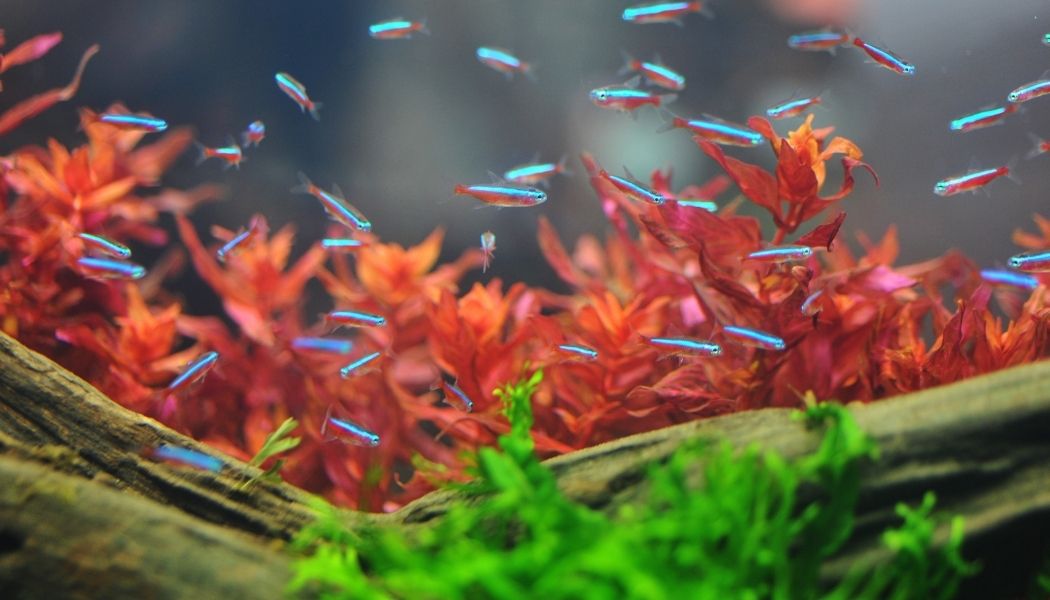
Freshwater Aquarium Fish
Fish ship out on Mondays and Tuesdays to ensure their safety during their...
-
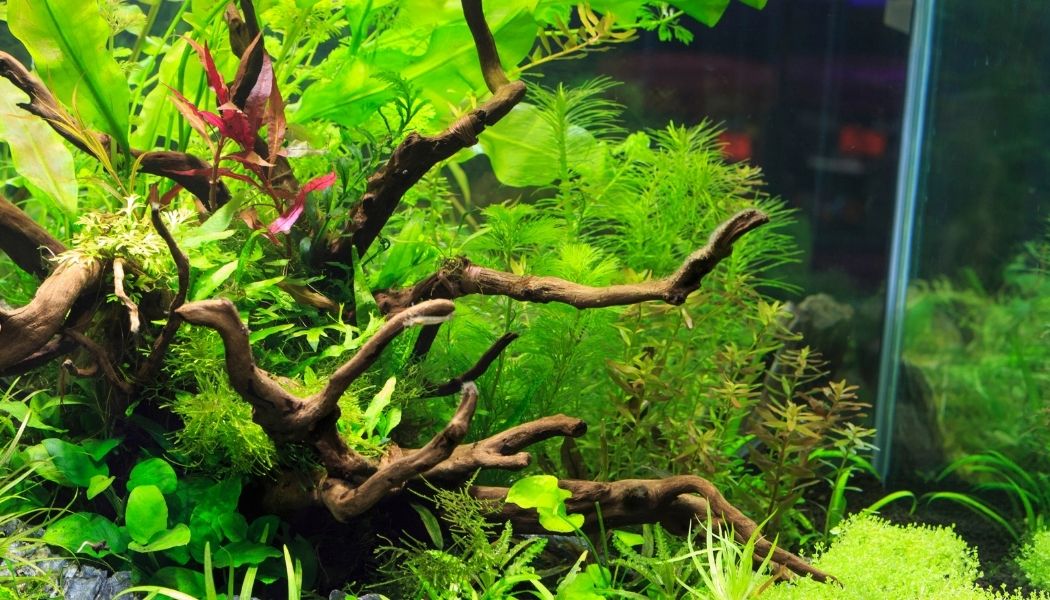
Live Aquatic Plants
Plants ship out on Mondays and Tuesdays to ensure their safety during their...
-
Fish Tank Supplies
All orders are shipped out on Mondays and Tuesdays. Find everything you...
-
Aquariums & Stands
Looking to upgrade your setup? Visit Natural Environment Aquatix in Jacksonville, FL...
