
Blue Raven Merletti Blastomussa Coral
Blue Raven Merletti Blastomussa Coral
Couldn't load pickup availability
Blue Raven Merletti Blastomussa Coral (Blastomussa merleti) – Stunning Blue and Red LPS Coral for Saltwater Reef Aquariums
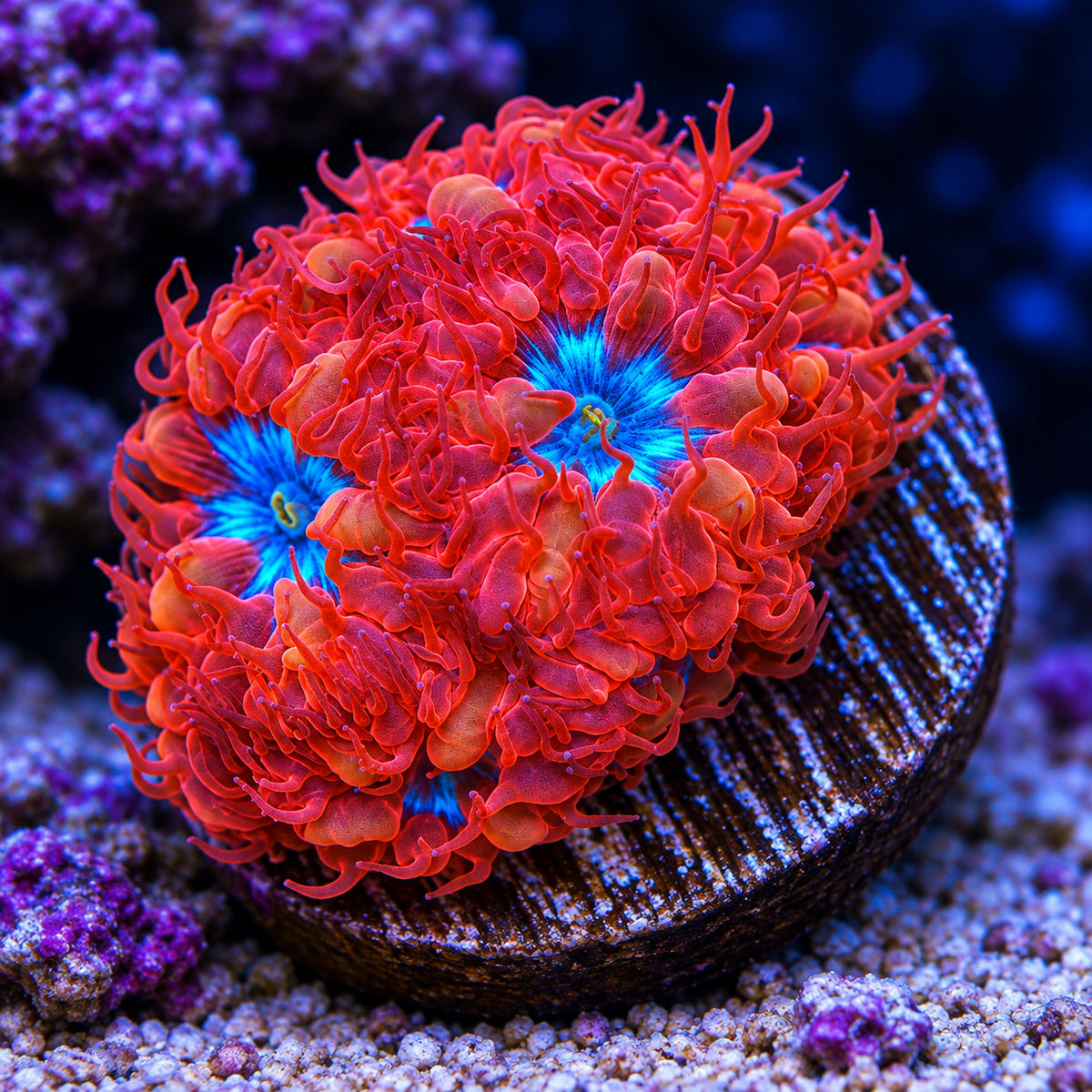
Blue Raven Merletti Blastomussa Coral is a beautiful and highly desirable large-polyp stony (LPS) coral known for its striking blue-centered polyps, vibrant red coloration, and distinctive clustered growth pattern. This colorful coral is an excellent choice for saltwater aquarium enthusiasts looking to add unusual coloration, texture, and natural beauty to their reef aquarium.
Scientifically identified as Blastomussa merleti, this attractive coral belongs to the genus Blastomussa and is commonly referred to as a Merletti Blasto, Pineapple Coral, or Small-Polyp Blastomussa.
The Blue Raven variety is especially desirable because of its dramatic color combinations. Depending on the individual specimen and lighting conditions, its polyps may display bright blue centers surrounded by rich red, burgundy, and golden highlights.
These contrasting colors create an impressive appearance under appropriate reef aquarium lighting, particularly blue-spectrum and actinic lighting.
One of the most recognizable characteristics of Blue Raven Merletti Blastomussa is its unique growth structure.
Unlike many larger LPS corals, Blastomussa merleti develops clusters of relatively small, fleshy polyps supported by individual tubular calcium carbonate skeletons.
As the colony grows, additional polyps develop around the original heads, gradually creating a dense cluster of colorful coral tissue.
When fully expanded, the polyps may resemble miniature underwater flowers.
Blue Raven Merletti Blastomussa is generally considered a relatively easy LPS coral to maintain in a mature, stable saltwater aquarium.
It typically prefers low to moderate lighting, gentle to moderate water movement, and consistent water chemistry.
Like many photosynthetic reef corals, Blastomussa contains symbiotic algae that provide much of its nutritional energy through photosynthesis.
It can also capture small meaty foods using its feeding tentacles.
Supplemental feeding may support healthy tissue growth and colony development when performed appropriately.
Blue Raven Merletti Blastomussa is generally peaceful compared with more aggressive LPS corals, making it suitable for many mixed reef aquariums.
However, adequate spacing is still recommended to prevent contact with aggressive neighboring corals.
Its compact growth form makes it particularly attractive for nano reef aquariums, LPS coral gardens, and larger mixed reef displays.
With its beautiful blue and red coloration, attractive fleshy polyps, and manageable care requirements, Blue Raven Merletti Blastomussa Coral is an outstanding addition to established saltwater reef aquariums.
Product Specifications
Common Name: Blue Raven Merletti Blastomussa Coral, Blue Raven Blasto, Blue Raven Blastomussa
Scientific Name: Blastomussa merleti
Coral Type: Large-Polyp Stony Coral (LPS)
Family: Blastomussidae
Care Level: Easy to Moderate
Temperament: Generally Peaceful; Requires Spacing from Aggressive Corals
Coloration: Blue, Red, Burgundy, and Golden Highlights; Varies by Specimen
Growth Form: Clusters of Small Fleshy Polyps on Tubular Skeletons
Growth Rate: Slow to Moderate Under Favorable Conditions
Maximum Size: Colonies Can Expand into Larger Clusters Over Time
Minimum Tank Size: 10 Gallons in a Stable, Established Reef System
Recommended Tank Size: 20 Gallons or Larger
Temperature: 75–79°F (24–26°C)
Recommended pH: 8.1–8.4
Specific Gravity: 1.024–1.026
Salinity: Approximately 35 ppt
Alkalinity: Approximately 8–11 dKH
Calcium: Approximately 400–450 ppm
Magnesium: Approximately 1250–1350 ppm
Lighting: Low to Moderate
Suggested PAR: Approximately 50–120 PAR as an Initial Guideline
Water Flow: Low to Moderate, Indirect
Placement: Lower to Middle Aquarium Areas
Diet: Photosynthetic; Accepts Small Meaty Foods
Feeding Requirements: Supplemental Feeding Optional but Potentially Beneficial
Reef Compatibility: Reef Safe with Appropriate Spacing
Fish Compatibility: Generally Compatible with Reef-Safe Marine Fish
Invertebrate Compatibility: Generally Compatible with Reef-Safe Invertebrates
Propagation: Coral Fragging and Natural Colony Growth
Origin: Indo-Pacific Region; Blue Raven Is an Aquarium Trade Color Morph
Recommended Experience: Beginner to Intermediate Reef Aquarists
Key Features
-
Stunning blue-centered polyps
-
Beautiful red and burgundy coloration
-
Attractive golden and contrasting highlights
-
Highly desirable named Blastomussa variety
-
Unique clustered growth pattern
-
Small, fleshy, flower-like polyps
-
Excellent addition to LPS coral gardens
-
Relatively easy care requirements
-
Suitable for established nano reef aquariums
-
Beautiful appearance under blue reef aquarium lighting
-
Generally peaceful compared with many aggressive LPS corals
-
Photosynthetic with optional supplemental feeding
-
Can develop attractive colonies over time
-
Excellent choice for coral collectors
-
Adds vibrant color and natural texture to reef aquariums
Aquarium Setup and Care Requirements
Aquarium Size: Blue Raven Merletti Blastomussa Coral can be maintained in established nano reef aquariums and larger marine systems. A minimum aquarium size of approximately 10 gallons is suitable when water chemistry is stable, although larger aquariums generally provide greater environmental stability.
Aquascaping: Position the coral on stable live rock, a coral frag plug, or a secure rock platform where it receives appropriate lighting and gentle circulation.
Placement: Lower to middle aquarium placement is generally recommended. Final positioning should be based on actual PAR measurements and the coral's response.
Lighting: Low to moderate reef aquarium lighting is preferred. Excessively intense lighting may cause polyp retraction, bleaching, or tissue stress.
Water Flow: Gentle to moderate indirect flow helps remove debris without damaging the coral's delicate fleshy polyps.
Filtration: Maintain efficient biological filtration and stable water chemistry.
Nutrients: Maintain appropriate nitrate and phosphate concentrations. Avoid extremely nutrient-depleted conditions.
Water Chemistry: Maintain stable alkalinity, calcium, magnesium, salinity, temperature, and pH.
Coral Spacing: Provide adequate space between Blue Raven Merletti Blastomussa and neighboring corals, especially aggressive LPS species.
Maintenance: Regularly inspect the colony for tissue recession, excessive algae growth, and signs of stress.
Acclimation: Gradually introduce the coral to stronger lighting and higher water flow.
Lighting Requirements
Blue Raven Merletti Blastomussa Coral is photosynthetic and relies heavily on symbiotic zooxanthellae for its nutritional needs.
These microorganisms live within the coral's tissues and use light energy to produce compounds that support coral growth and maintenance.
Low to moderate reef aquarium lighting is generally recommended.
A PAR range of approximately 50–120 is a useful initial guideline, although some established colonies may adapt to slightly higher lighting levels.
Exact lighting requirements depend on aquarium depth, lighting spectrum, previous growing conditions, and acclimation.
Blue Raven Merletti Blastomussa often displays particularly attractive coloration under blue-spectrum reef aquarium lighting.
Its blue centers and contrasting red tissue can create a striking appearance under appropriate actinic illumination.
However, lighting should be selected to support coral health rather than coloration alone.
When introducing a new frag, begin in a lower-light area and gradually adjust placement if necessary.
Sudden exposure to intense lighting may cause tissue stress, bleaching, or reduced polyp expansion.
Healthy colonies generally display consistent coloration, fleshy polyp extension, and gradual growth.
Water Flow Requirements
Blue Raven Merletti Blastomussa generally prefers low to moderate indirect water movement.
Appropriate circulation helps deliver nutrients and remove waste from the coral's surface.
However, excessive direct flow may cause the polyps to remain partially or completely retracted.
Strong currents may also irritate or damage the coral's fleshy tissue.
Avoid positioning the coral directly in front of a powerful wavemaker or return nozzle.
Instead, choose an area where the polyps receive gentle, consistent water movement.
If the coral remains closed or appears stressed, evaluate lighting, water flow, water chemistry, and potential irritation from nearby organisms.
Feeding and Nutrition
Blue Raven Merletti Blastomussa receives much of its nutritional energy through photosynthesis.
Its symbiotic zooxanthellae use aquarium lighting to produce energy-rich compounds that support the coral.
However, Blastomussa Corals are also capable of capturing small food particles using their feeding tentacles.
Supplemental feeding may support healthy tissue growth and colony development when performed appropriately.
Recommended foods include:
-
Finely chopped mysis shrimp
-
Enriched frozen brine shrimp
-
Small marine zooplankton
-
Cyclops
-
Copepods
-
Fine particulate coral foods
-
Small LPS coral pellets
-
Other appropriately sized meaty coral foods
Because Blastomussa merleti has relatively small polyps, food particles should be appropriately sized.
Large food items may be difficult for the coral to consume.
Target feeding once or twice weekly may be beneficial, depending on the aquarium's nutrient levels and the coral's response.
Use small amounts of food and avoid forcing food directly against the coral's tissue.
Some colonies may extend feeding tentacles more noticeably during evening hours or after food is introduced into the aquarium.
Not every colony requires frequent supplemental feeding.
Excessive feeding may contribute to elevated nitrate and phosphate concentrations.
Maintaining stable water chemistry, appropriate lighting, and gentle circulation is generally more important than frequent direct feeding.
Stunning Blue Raven Coloration
One of the most desirable characteristics of Blue Raven Merletti Blastomussa Coral is its unusual combination of contrasting colors.
The Blue Raven trade variety is especially prized for its blue-centered polyps.
Depending on the specimen, the surrounding tissue may display shades of red, burgundy, or golden yellow.
These colors create a beautiful contrast that makes the coral stand out in reef aquarium displays.
Under blue reef aquarium lighting, the fluorescent pigments may become especially vibrant.
When fully expanded, the polyps create an attractive cluster of colorful, fleshy coral heads.
The combination of blue centers and warmer surrounding colors makes Blue Raven Merletti Blastomussa particularly appealing for coral collectors.
Individual coloration may vary depending on the specific cultured lineage, lighting spectrum, nutrient availability, and overall aquarium conditions.
Because Blue Raven is an aquarium trade name rather than a standardized scientific designation, actual coloration should be confirmed from photographs of the specific specimen.
Unique Merletti Growth Structure
Blastomussa merleti is especially interesting because of its distinctive skeletal structure.
Unlike larger-polyped Blastomussa varieties, Merletti Blastomussa develops relatively small polyps supported by narrow tubular corallites.
These skeletal structures form clusters as the colony grows.
Each polyp extends fleshy tissue outward from its individual skeletal opening.
When fully inflated, the tissue may partially conceal the underlying skeleton.
This creates the appearance of a dense cluster of miniature flowers.
As the colony becomes established, additional polyps may develop around the original growth.
Over time, a small frag can develop into a larger colony.
Growth rate depends on stable water chemistry, appropriate lighting, nutrition, and overall coral health.
Because Merletti Blastomussa typically grows more slowly than some fast-growing soft corals, patience is important.
Blue Raven Merletti vs. Blastomussa Wellsi
Blue Raven Merletti Blastomussa and Blastomussa Wellsi are closely related ornamental LPS corals.
Although they share similar care requirements, they differ in appearance and skeletal structure.
Blue Raven Merletti Blastomussa (Blastomussa merleti):
-
Smaller individual polyps
-
Narrow tubular skeletal structures
-
Clustered growth pattern
-
Blue Raven coloration featuring contrasting blue and red tones
-
Generally suitable for low to moderate lighting
-
Prefers gentle to moderate water flow
Blastomussa Wellsi (Blastomussa wellsi):
-
Typically larger, fleshier individual polyps
-
More rounded and inflated appearance
-
Often displays large, colorful coral heads
-
Available in numerous red, green, purple, and multicolored varieties
-
Generally prefers low to moderate lighting
-
Prefers gentle to moderate water flow
Both species are excellent choices for established reef aquariums.
The Blue Raven Merletti variety is particularly desirable for aquarists who appreciate smaller, densely clustered polyps and unusual coloration.
Growth and Colony Development
Blue Raven Merletti Blastomussa Coral develops a hard calcium carbonate skeleton that supports its living tissue.
As the coral grows, additional skeletal structures and polyps gradually develop.
Healthy growth depends on stable alkalinity, calcium, magnesium, appropriate lighting, and sufficient nutrients.
New polyps may develop around the edges of an established colony.
Over time, a small frag may expand into a larger cluster of colorful polyps.
Growth may be relatively slow compared with some other popular reef corals.
Maintaining consistent aquarium conditions is generally more beneficial than frequently adjusting lighting or water chemistry in an attempt to accelerate growth.
Healthy colonies typically display fleshy polyp expansion, consistent coloration, and minimal exposed skeleton.
Temperament and Coral Compatibility
Blue Raven Merletti Blastomussa is generally considered a relatively peaceful LPS coral.
Unlike highly aggressive corals such as Galaxea, it is not typically known for producing exceptionally long sweeper tentacles.
However, Blastomussa Corals still possess stinging cells and may cause irritation through direct contact.
They may also be damaged by more aggressive neighboring corals.
A separation of approximately 3–4 inches from nearby corals is a reasonable starting point, with additional space recommended around aggressive species.
Particular caution should be exercised when placing Blastomussa near:
-
Galaxea Corals
-
Torch Corals
-
Hammer Corals
-
Frogspawn Corals
-
Other aggressive LPS corals
These species may possess stronger stinging capabilities or longer sweeper tentacles.
An isolated rock structure or dedicated LPS coral area can help protect the Blue Raven Merletti Blastomussa from unwanted contact.
Reef Compatibility
Blue Raven Merletti Blastomussa Coral is generally considered reef safe.
It does not actively hunt aquarium fish or damage healthy reef structures.
It can coexist successfully with many common reef aquarium fish, including:
-
Clownfish
-
Gobies
-
Blennies
-
Cardinalfish
-
Fairy Wrasses
-
Possum Wrasses
-
Other appropriately selected reef-safe marine fish
Avoid fish known to nip or consume coral tissue.
Certain Angelfish, Butterflyfish, and other coral-feeding species may damage Blastomussa polyps.
Many reef-safe shrimp, snails, and other invertebrates can coexist with the coral.
However, large crabs or other disruptive invertebrates may knock over unsecured coral frags.
Secure placement and careful livestock selection help protect the coral.
Placement in Mixed Reef Aquariums
Blue Raven Merletti Blastomussa is an excellent addition to mixed reef aquariums.
Its compact growth structure and colorful polyps make it particularly attractive for lower rockwork and shaded coral displays.
It can provide beautiful contrast against green, orange, and purple reef corals.
For best results, position the coral in an area with low to moderate lighting and gentle water circulation.
Avoid placing it directly beneath extremely intense reef lighting without proper acclimation.
Also avoid positioning it where strong currents continuously strike the fleshy polyps.
Because the coral is relatively peaceful, it can be incorporated into LPS coral gardens when appropriate spacing is maintained.
Its blue-centered polyps make it especially appealing when displayed beside contrasting coral varieties.
Natural Habitat and Behavior
Blastomussa merleti naturally inhabits tropical marine reef environments throughout portions of the Indo-Pacific region.
It is often associated with sheltered reef habitats and areas receiving relatively moderate lighting and water movement.
In these environments, colonies grow attached to stable hard substrates.
Their fleshy polyps expand to receive light and capture suspended food particles.
In home aquariums, Blue Raven Merletti Blastomussa may display regular patterns of polyp expansion and feeding activity.
Polyps may become more inflated during favorable conditions.
Feeding tentacles may become more noticeable when food is present or during evening hours.
These behaviors are normal characteristics of Blastomussa Corals.
Their colorful appearance and fascinating polyp structure make them attractive additions to reef aquarium displays.
Health and Acclimation Considerations
Blue Raven Merletti Blastomussa is generally adaptable once established in a stable reef aquarium.
However, sudden changes in water chemistry, lighting, or water flow may cause stress.
Newly introduced specimens should be carefully inspected for tissue damage, exposed skeleton, and unwanted pests.
An appropriate coral quarantine and dipping process may help reduce the risk of introducing unwanted organisms.
Only use coral dips suitable for Blastomussa Corals and follow the manufacturer's instructions.
During acclimation, gradually introduce the coral to the aquarium's lighting conditions.
Avoid sudden exposure to extremely intense lighting.
Temporary reduction in polyp expansion may occur after transportation or handling.
However, persistent tissue recession, bleaching, or prolonged polyp retraction may indicate environmental stress.
Evaluate water chemistry, lighting, flow, pests, and potential contact with neighboring corals if the colony does not recover.
Maintaining stable alkalinity and other important reef parameters is particularly beneficial for long-term skeletal growth.
Propagation and Fragging
Blue Raven Merletti Blastomussa may be propagated through careful coral fragging.
Because Merletti Blastomussa develops separate tubular skeletal structures, established colonies can sometimes be divided between individual corallites.
However, propagation should be performed by experienced aquarists using appropriate coral-cutting equipment.
Care must be taken to avoid unnecessary damage to living tissue.
Freshly cut fragments should be allowed to recover in stable aquarium conditions.
Successful fragments may gradually resume normal polyp expansion and skeletal growth.
Fragging should not be attempted on stressed or unhealthy colonies.
Special Care Considerations
-
Maintain stable, fully cycled saltwater conditions.
-
Provide low to moderate reef aquarium lighting.
-
Gradually acclimate new frags to stronger lighting.
-
Maintain gentle to moderate indirect water flow.
-
Avoid placing the coral directly in powerful water currents.
-
Maintain stable salinity and temperature.
-
Keep alkalinity, calcium, and magnesium within appropriate reef aquarium ranges.
-
Avoid sudden changes in water chemistry.
-
Maintain suitable nitrate and phosphate availability.
-
Provide adequate spacing from neighboring corals.
-
Avoid direct contact with aggressive LPS species.
-
Position the coral on stable live rock or a secure frag plug.
-
Offer appropriately sized meaty foods when supplemental feeding.
-
Avoid overfeeding and excessive nutrient accumulation.
-
Monitor polyp inflation and tissue condition.
-
Inspect new corals for pests before introduction.
-
Use appropriate coral quarantine and dipping procedures.
-
Avoid fish known to nip or consume coral tissue.
-
Remove accumulated debris when necessary.
-
Wear protective gloves and eye protection when handling or fragging corals.
-
Maintain regular aquarium maintenance and water testing.
Why Choose Blue Raven Merletti Blastomussa Coral?
Blue Raven Merletti Blastomussa Coral is a stunning addition to reef aquariums that combines vibrant blue-centered polyps, beautiful red coloration, and a unique clustered growth structure.
Its distinctive appearance makes it an excellent choice for aquarium enthusiasts looking for something different from more commonly available LPS corals.
Unlike highly aggressive corals that require extensive separation, Blue Raven Merletti Blastomussa is generally peaceful and can be incorporated into carefully planned mixed reef displays.
Its relatively manageable care requirements make it appealing to both newer reef keepers and experienced coral collectors.
As the colony grows, individual polyps gradually develop into an attractive cluster of colorful coral heads.
Blue Raven Merletti Blastomussa is particularly desirable for LPS coral gardens, nano reef aquariums, and colorful mixed reef displays.
Its unusual blue and red coloration creates striking contrast against green, orange, and purple corals.
Whether you're building your first LPS coral garden, expanding an established coral collection, or looking for a unique Blastomussa variety with stunning coloration and beautiful fleshy polyps, Blue Raven Merletti Blastomussa Coral offers beauty, personality, and lasting visual appeal.
Add Blue Raven Merletti Blastomussa Coral to your saltwater aquarium and enjoy a stunning combination of blue, red, and golden coloration that brings exceptional beauty to your reef!
Note: Blue Raven Merletti Blastomussa Coral is a named aquarium trade variety of Blastomussa merleti. The name Blue Raven is not a standardized scientific color designation, and individual coloration, polyp size, growth rate, and appearance may vary depending on the cultured lineage, lighting, water chemistry, and growing conditions. Blastomussa Corals are generally peaceful but should be provided with adequate spacing from aggressive neighboring corals. Photographs may be representative unless the coral is specifically listed as WYSIWYG (What You See Is What You Get). The number of polyps included may vary by the specific product selection.
Share
Shop More
-
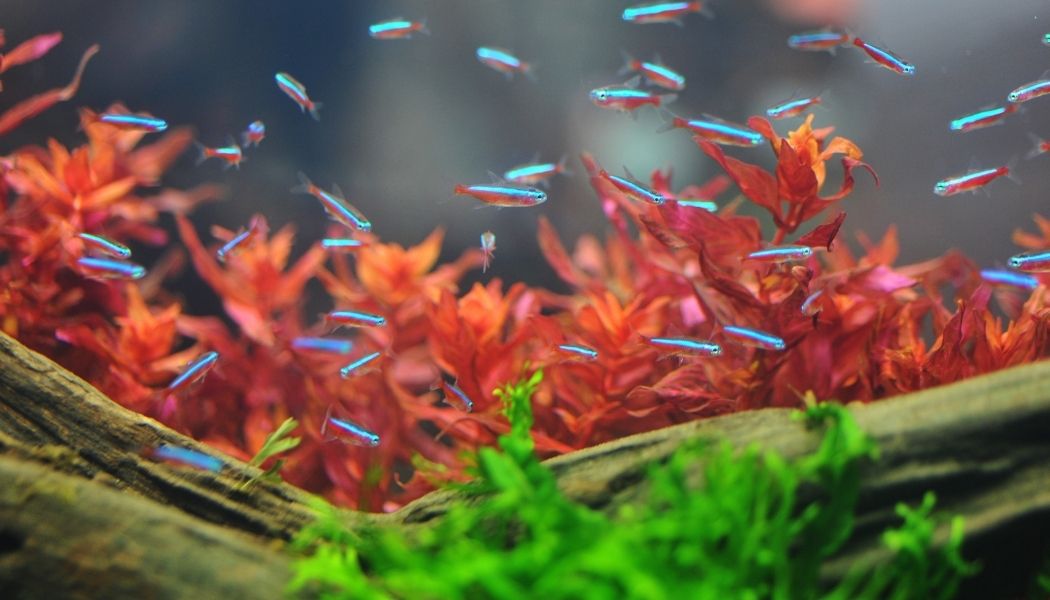
Freshwater Aquarium Fish
Fish ship out on Mondays and Tuesdays to ensure their safety during their...
-
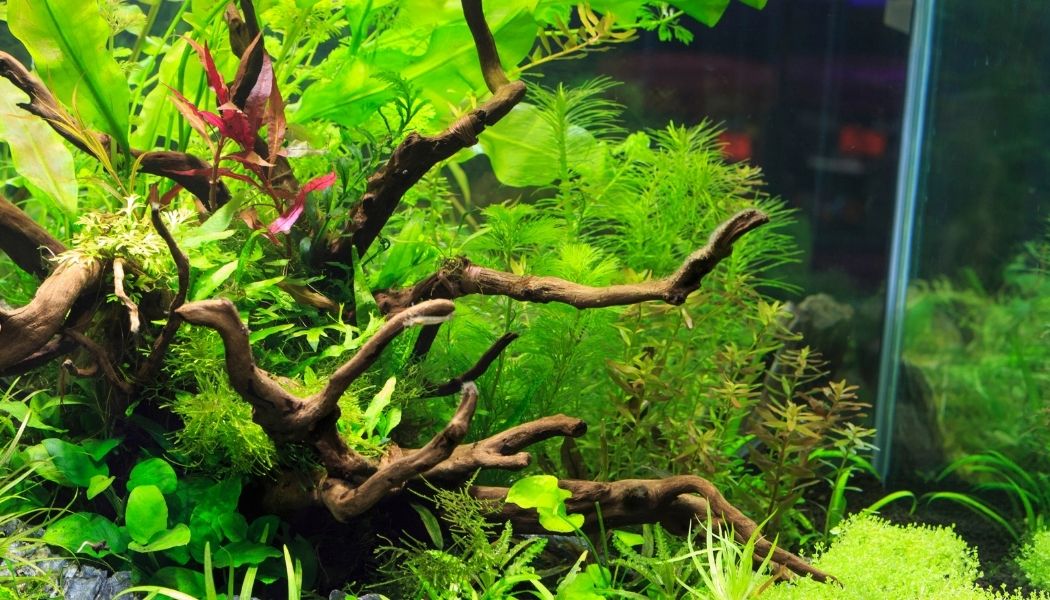
Live Aquatic Plants
Plants ship out on Mondays and Tuesdays to ensure their safety during their...
-
Fish Tank Supplies
All orders are shipped out on Mondays and Tuesdays. Find everything you...
-
Aquariums & Stands
Looking to upgrade your setup? Visit Natural Environment Aquatix in Jacksonville, FL...
