
Bacopa Amplexicaulis Aquatic Plant
Bacopa Amplexicaulis Aquatic Plant
Couldn't load pickup availability
Bacopa Amplexicaulis Aquatic Plant (Bacopa caroliniana) - Hardy, Vibrant Green Freshwater Aquarium Stem Plant
Bacopa Amplexicaulis is a beautiful freshwater aquarium plant known for its thick, rounded green leaves, sturdy upright stems, and easy care requirements. This attractive aquatic plant is an excellent choice for aquarium enthusiasts looking to add lush greenery, natural texture, and beautiful vertical growth to their freshwater aquariums.
Commonly referred to as Bacopa Amplexicaulis, Large Leaf Bacopa, or Lemon Bacopa, this plant is frequently associated with Bacopa caroliniana in the aquarium trade. The name Bacopa amplexicaulis has historically been used for plants now generally classified as Bacopa caroliniana.
Native to parts of North America, Bacopa caroliniana naturally grows in wetlands, shallow freshwater environments, and along the edges of ponds and streams.
Its ability to grow both above and below water makes it a versatile aquarium plant suitable for a wide variety of freshwater setups.
Unlike many demanding aquarium stem plants, Bacopa Amplexicaulis does not require intense lighting, specialized substrates, or supplemental CO2 to survive.
Its sturdy stems and thick leaves make it an excellent choice for beginner aquarists, low-tech planted aquariums, and established freshwater community tanks.
Bacopa Amplexicaulis develops attractive, oval-shaped leaves that grow in opposite pairs along its upright stems.
Under moderate aquarium lighting, the foliage typically displays beautiful green coloration.
With stronger lighting and favorable growing conditions, some specimens may develop bronze, copper, or reddish tones near the upper leaves.
This subtle color variation adds visual interest to planted aquariums and creates beautiful contrast with other green aquatic plants.
One of the most appealing characteristics of Bacopa Amplexicaulis is its versatility.
The plant can be used as a midground accent, background plant, or grouped together to create a lush underwater garden.
Its upright stems make it particularly attractive when planted behind driftwood, aquarium rocks, or shorter foreground plants.
Bacopa Amplexicaulis can also be propagated easily through stem cuttings, allowing aquarium enthusiasts to expand their planted displays over time.
With its attractive foliage, adaptable growth, and relatively simple care requirements, Bacopa Amplexicaulis is an excellent addition to freshwater aquariums of many sizes.
Product Specifications
Common Name: Bacopa Amplexicaulis, Large Leaf Bacopa, Lemon Bacopa
Scientific Name: Bacopa caroliniana (Historically Also Known as Bacopa amplexicaulis)
Plant Family: Plantaginaceae
Plant Type: Freshwater Stem Plant
Care Level: Easy to Moderate
Growth Rate: Slow to Moderate
Coloration: Light Green to Deep Green, Sometimes Developing Bronze or Reddish Tones
Leaf Shape: Thick, Oval to Rounded Leaves
Leaf Arrangement: Opposite Pairs Along Upright Stems
Maximum Height: Approximately 8–20 Inches (20–50 cm), With Taller Growth Possible
Plant Width: Approximately 2–4 Inches Per Stem, Depending on Growth Conditions
Minimum Tank Size: 10 Gallons
Recommended Tank Size: 20 Gallons or Larger
Temperature: 68–82°F (20–28°C)
Recommended pH: 6.0–8.0
Water Hardness: Soft to Moderately Hard, With Broad Adaptability
Lighting: Low to High, With Moderate Lighting Recommended
Suggested PAR: Approximately 30–70 at Plant Level as a Starting Guideline
CO2 Requirements: Not Required, but Beneficial
Substrate: Aquarium Gravel, Sand, or Nutrient-Rich Planted Substrate
Fertilization: Balanced Liquid Fertilizer and Optional Root Nutrition
Root Structure: Adventitious Roots Developing Along Submerged Stems
Placement: Midground to Background
Propagation: Stem Cuttings and Side Shoots
Growth Pattern: Upright Stem Growth with Opposite Leaf Pairs
Aquarium Compatibility: Freshwater Planted Aquariums
Fish Compatibility: Generally Compatible with Peaceful Freshwater Fish
Shrimp Compatibility: Shrimp Safe
Origin: North America
Recommended Experience: Beginner to Advanced Aquarists
Key Features
-
Beautiful thick, rounded green leaves
-
Hardy freshwater aquarium stem plant
-
Excellent choice for beginners
-
Suitable for low-tech planted aquariums
-
Does not require supplemental CO2
-
Develops attractive upright stems
-
May display bronze or reddish tones under stronger lighting
-
Excellent for midground and background placement
-
Easy to propagate through stem cuttings
-
Compatible with many freshwater community fish
-
Provides natural shelter for smaller aquarium inhabitants
-
Can be grown in gravel, sand, or planted aquarium substrate
-
Suitable for natural-style aquascaping
-
Adds height and texture to planted aquariums
-
Attractive when planted in groups
-
Responds well to regular trimming
-
Suitable for a variety of aquarium lighting systems
-
Can grow both emersed and submerged
-
Helps absorb dissolved nutrients from aquarium water
-
Excellent for beginners and experienced aquascapers
Aquarium Setup and Care Requirements
Bacopa Amplexicaulis is an adaptable freshwater aquarium plant that can thrive in a variety of aquarium environments.
Its sturdy stems and thick foliage make it more forgiving than many delicate aquatic stem plants.
For best results, provide stable water parameters, appropriate lighting, and access to essential nutrients.
Aquarium Size: A 10-gallon aquarium can accommodate smaller groupings, although larger aquariums provide more room for mature growth.
Lighting: Moderate lighting is recommended for healthy, compact growth.
CO2: Supplemental CO2 is optional but may improve growth and overall plant development.
Substrate: Suitable for aquarium gravel, sand, and nutrient-rich planted substrates.
Placement: Midground to background, depending on aquarium size.
Water Parameters: Maintain stable freshwater conditions.
Water Flow: Gentle to moderate circulation is preferred.
Fertilization: Balanced aquarium plant fertilizer can support healthy foliage and growth.
Maintenance: Trim tall stems and replant healthy cuttings to encourage fuller growth.
Propagation: Easily propagated through stem cuttings.
Lighting Requirements
Bacopa Amplexicaulis can adapt to a range of aquarium lighting conditions.
Although the plant may survive under lower lighting, moderate illumination generally produces healthier and more compact growth.
Under insufficient lighting, Bacopa may develop longer spaces between leaves as it stretches toward the light source.
This can create a sparse appearance, particularly near the lower portions of the stems.
Under moderate lighting, the plant typically develops attractive green foliage and a more balanced growth pattern.
Stronger lighting may encourage more compact growth and enhanced coloration.
Some plants may develop bronze, copper, or reddish tones near the upper leaves when exposed to favorable lighting conditions.
A PAR range of approximately 30–70 at plant level is a reasonable starting guideline.
Actual lighting requirements depend on aquarium depth, water clarity, nutrient availability, and whether supplemental CO2 is used.
For most freshwater aquariums, a lighting schedule of approximately 7–9 hours daily is a practical starting point.
Adjust lighting duration and intensity according to plant growth and algae development.
CO2 Requirements
Bacopa Amplexicaulis does not require supplemental CO2 injection.
This makes it an excellent choice for low-tech planted aquariums.
The plant can grow using naturally available dissolved carbon in aquarium water.
However, supplemental CO2 may improve growth rate, leaf development, and overall plant density.
In aquariums with stronger lighting, supplemental CO2 can help maintain balanced growth by increasing carbon availability.
For advanced planted aquariums, a stable injected CO2 concentration around 20–30 ppm is commonly used, provided livestock safety is carefully monitored.
For beginner aquarists, supplemental CO2 is unnecessary.
Stable water parameters, moderate lighting, and balanced fertilization are generally sufficient for maintaining healthy Bacopa.
Substrate and Root Development
Unlike rhizome plants such as Anubias and Java Fern, Bacopa Amplexicaulis is a stem plant that is typically planted directly into aquarium substrate.
Its stems develop roots that anchor the plant and absorb nutrients.
Bacopa can be grown in several types of aquarium substrate, including:
-
Aquarium gravel
-
Aquarium sand
-
Nutrient-rich planted aquarium soil
-
Fine-grained planted substrates
A nutrient-rich substrate can support healthy growth, although it is not strictly required.
When planting Bacopa, remove any packaging material or rock wool from the lower stems.
Separate individual stems and plant them approximately 1–2 inches apart.
This spacing allows water and light to reach the lower foliage.
Use aquarium planting tweezers to insert the lower portion of each stem into the substrate.
Avoid crushing the stems during planting.
Over time, roots will develop and help anchor the plant.
Bacopa may also produce roots along submerged portions of the stem, especially near leaf nodes.
This is normal and can help support additional nutrient uptake.
Fertilization and Nutrient Requirements
Bacopa Amplexicaulis benefits from access to balanced aquarium plant nutrients.
Although it is not considered an extremely demanding plant, consistent nutrient availability supports healthy growth and attractive coloration.
Important nutrients include:
Nitrogen: Supports healthy leaf and stem growth.
Phosphorus: Contributes to plant metabolism and energy transfer.
Potassium: Supports cellular functions and overall plant health.
Iron: Helps support chlorophyll production and healthy foliage.
Magnesium: Essential for photosynthesis and chlorophyll formation.
Trace Elements: Support numerous biological processes necessary for plant development.
A complete liquid aquarium plant fertilizer is generally suitable for maintaining Bacopa.
Root tabs may also be beneficial when growing the plant in nutrient-poor gravel or sand.
However, excessive fertilizer dosing should be avoided.
Fertilization should be adjusted according to plant growth, aquarium stocking levels, lighting intensity, and water parameters.
Beautiful Green and Bronze Foliage
One of the most attractive characteristics of Bacopa Amplexicaulis is its thick, rounded foliage.
The plant develops pairs of oval-shaped leaves along upright stems.
These leaves create a distinctive appearance compared with narrow-leaved aquarium stem plants.
Under typical aquarium conditions, Bacopa produces medium to deep green foliage.
With stronger lighting and favorable growing conditions, the upper leaves may develop subtle bronze, copper, or reddish coloration.
This creates a beautiful contrast between the greener lower foliage and the more colorful upper portions of the plant.
The leaves have a relatively thick, fleshy texture compared with many delicate aquatic plants.
This characteristic contributes to Bacopa's durable appearance.
When planted in groups, Bacopa creates attractive clusters of upright stems that add depth and natural greenery to freshwater aquariums.
Growth Pattern and Plant Development
Bacopa Amplexicaulis is an upright-growing freshwater stem plant.
New leaves develop in opposite pairs along the stem.
Under favorable aquarium conditions, the plant gradually grows toward the water surface.
Its growth rate is generally slow to moderate, although stronger lighting, balanced nutrients, and supplemental CO2 may accelerate development.
As the plant grows taller, the lower leaves may receive less light.
Regular trimming helps maintain an attractive shape and prevents excessive shading.
Healthy stems may also produce side shoots after trimming.
These side shoots can contribute to a fuller appearance.
For aquarists seeking a dense planted background, several stems can be grouped together and trimmed regularly.
Over time, the arrangement can develop into an attractive underwater garden.
Ideal Aquarium Placement
Bacopa Amplexicaulis is particularly well suited for midground and background aquarium placement.
Midground Placement: Use shorter trimmed stems to create attractive green clusters behind foreground plants.
Background Placement: Allow taller stems to develop behind rocks, driftwood, and other aquarium decorations.
Grouped Planting: Plant multiple stems together to create a lush, natural-looking display.
Aquascaping Accents: Use Bacopa to add upright foliage among aquarium hardscape.
Planted Community Aquariums: Combine Bacopa with other easy-care plants to create a beautiful freshwater environment.
Nature-Style Aquariums: Incorporate Bacopa into natural layouts featuring driftwood, rocks, and mixed aquatic vegetation.
For the most attractive appearance, plant several stems in small groups while leaving sufficient space for light and water circulation.
Best Companion Aquarium Plants
Bacopa Amplexicaulis pairs beautifully with many popular freshwater aquarium plants.
Excellent companion plants include:
-
Anubias Nana
-
Anubias Barteri
-
Java Fern
-
Amazon Sword
-
Cryptocoryne Wendtii
-
Water Wisteria
-
Hygrophila Corymbosa
-
Ludwigia Repens
-
Rotala Rotundifolia
-
Vallisneria
-
Dwarf Sagittaria
-
Java Moss
-
Bacopa Monnieri
-
Red Tiger Lotus
-
Alternanthera Reineckii
Combining Bacopa with plants featuring different leaf shapes creates beautiful visual contrast.
Its rounded green foliage looks especially attractive beside narrow-leaved plants such as Vallisneria and Rotala.
Bacopa can also complement red aquatic plants, creating a balanced green and red aquascape.
Bacopa Amplexicaulis vs. Other Bacopa Varieties
Several Bacopa species are commonly used in freshwater aquariums.
Although they share some similarities, each offers distinctive characteristics.
Bacopa Amplexicaulis / Bacopa Caroliniana: Known for thick, relatively broad leaves, sturdy stems, and occasional bronze coloration under stronger lighting.
Bacopa Monnieri: Often features smaller, more elongated leaves and a somewhat different growth pattern.
Bacopa Salzmannii: A species associated with more colorful forms, including varieties that can develop pink, purple, or reddish coloration under suitable conditions.
Bacopa Colorata: A trade name commonly associated with colorful Bacopa forms, although exact botanical identification may vary by supplier.
For aquarists seeking an easy-care green stem plant with substantial foliage, Bacopa Amplexicaulis is an excellent choice.
Fish and Shrimp Compatibility
Bacopa Amplexicaulis is generally compatible with many peaceful freshwater aquarium fish and invertebrates.
Its upright stems and leafy growth provide natural shelter and visual barriers.
Suitable aquarium companions may include:
-
Neon Tetras
-
Cardinal Tetras
-
Ember Tetras
-
Rummy Nose Tetras
-
Harlequin Rasboras
-
Guppies
-
Endlers
-
Platies
-
Mollies
-
Corydoras Catfish
-
Otocinclus Catfish
-
Honey Gouramis
-
Dwarf Gouramis
-
Angelfish
-
Amano Shrimp
-
Cherry Shrimp
-
Blue Velvet Shrimp
-
Other Neocaridina Shrimp
-
Nerite Snails
Actual compatibility depends on aquarium size, water parameters, and livestock requirements.
Freshwater shrimp may explore Bacopa leaves and stems while grazing on biofilm and microorganisms.
Small fish may also use dense Bacopa growth for shelter.
Avoid keeping delicate plant arrangements with fish that aggressively uproot vegetation or consume aquatic plants.
Some goldfish and larger herbivorous fish may damage Bacopa foliage.
Benefits of Live Aquarium Plants
Bacopa Amplexicaulis provides more than attractive green foliage.
Like other healthy aquatic plants, it contributes to the natural balance of freshwater aquariums.
Potential benefits include:
-
Absorbing dissolved nutrients from aquarium water
-
Utilizing nitrogen compounds during growth
-
Producing oxygen during photosynthesis
-
Providing natural shelter for aquarium fish
-
Creating visual barriers for shy species
-
Offering surfaces for beneficial microorganisms
-
Supporting biofilm growth for freshwater shrimp
-
Adding natural texture and visual interest
-
Creating a more natural aquatic environment
-
Helping compete with algae for available nutrients
-
Enhancing the appearance of planted aquariums
Healthy plant growth can contribute to nutrient management, although live plants do not replace proper filtration or regular aquarium maintenance.
Propagation and Trimming
Bacopa Amplexicaulis is easy to propagate through stem cuttings.
This makes it an excellent choice for aquarists who want to expand their planted aquariums over time.
To propagate Bacopa:
-
Select a healthy, established stem.
-
Use clean aquarium scissors to cut the stem above a leaf node.
-
Remove the lowest leaves from the cutting if necessary.
-
Insert the lower portion of the cutting into aquarium substrate.
-
Leave sufficient space between cuttings for healthy growth.
-
Maintain appropriate lighting and nutrient availability.
-
Allow the cutting to develop new roots.
The original rooted stem may produce additional side shoots after trimming.
Regular trimming can help create a fuller, more attractive group of Bacopa plants.
Cuttings can be replanted in the same aquarium or used to establish additional planted displays.
Avoid cutting extremely short or weakened stems unnecessarily.
Acclimation and Transition to Submerged Growth
Bacopa Amplexicaulis may be grown emersed or submerged by commercial aquatic plant nurseries.
Emersed-grown plants develop leaves above water, while submerged-grown plants develop underwater foliage.
When an emersed-grown Bacopa is introduced into an aquarium, some older leaves may deteriorate as the plant adjusts to submerged conditions.
This transition is commonly referred to as plant melting.
Healthy stems can continue producing new submerged growth when appropriate aquarium conditions are maintained.
During acclimation:
-
Maintain stable water parameters.
-
Provide moderate aquarium lighting.
-
Avoid sudden environmental changes.
-
Plant stems securely in aquarium substrate.
-
Remove severely damaged leaves when necessary.
-
Maintain balanced nutrient availability.
-
Allow time for new submerged growth to develop.
Healthy new growth is generally a positive indication that the plant is adapting.
Common Growing Problems
Yellowing Leaves: May result from nutrient deficiencies, aging foliage, or environmental stress.
Lower Leaf Loss: May occur when dense growth prevents sufficient light from reaching lower stems.
Leggy Growth: Often associated with insufficient lighting.
Slow Growth: May result from limited nutrients, low lighting, or inadequate carbon availability.
Algae on Leaves: May occur when lighting, nutrient levels, and plant growth are out of balance.
Melting After Introduction: Can occur during the transition from emersed to submerged growth.
Damaged Stems: May result from rough handling, aggressive fish, or improper planting.
Pale New Growth: May indicate nutrient limitations or unsuitable growing conditions.
Identifying the underlying cause and correcting aquarium conditions is generally more effective than repeatedly replacing the plant.
Special Care Considerations
-
Provide moderate aquarium lighting for healthy growth.
-
Avoid excessively weak lighting that causes elongated stems.
-
Supplemental CO2 is beneficial but not required.
-
Maintain stable freshwater aquarium conditions.
-
Plant individual stems directly into aquarium substrate.
-
Leave adequate space between stems.
-
Use balanced aquarium plant fertilizers when necessary.
-
Avoid excessive fertilizer dosing.
-
Maintain gentle to moderate water circulation.
-
Trim tall stems to maintain an attractive appearance.
-
Replant healthy stem cuttings for propagation.
-
Remove damaged or deteriorating leaves when appropriate.
-
Monitor lower foliage for shading.
-
Avoid aggressive plant-eating fish.
-
Secure stems in aquariums with digging fish.
-
Allow time for newly introduced plants to acclimate.
-
Maintain regular aquarium water changes.
-
Monitor overall plant health and new growth.
-
Avoid sudden changes in water parameters.
-
Adjust lighting and fertilization according to plant response.
Why Choose Bacopa Amplexicaulis?
Bacopa Amplexicaulis is an outstanding freshwater aquarium plant for aquarists looking to add beautiful green foliage, natural height, and attractive texture without complicated care requirements.
Its thick, rounded leaves and sturdy upright stems create a lush tropical appearance that complements driftwood, aquarium rocks, and colorful freshwater fish.
Unlike many demanding aquarium stem plants, Bacopa Amplexicaulis can thrive under moderate lighting without supplemental CO2.
Its adaptable nature makes it an excellent choice for beginner aquarists and low-tech planted aquarium setups.
The plant's ability to develop subtle bronze or reddish coloration under favorable conditions adds additional visual interest.
Its straightforward propagation through stem cuttings also makes it an excellent choice for aquarium enthusiasts who want to expand their planted displays.
Whether you're creating your first planted aquarium, building a lush green background, or adding attractive foliage to an established freshwater display, Bacopa Amplexicaulis offers durability, natural beauty, and excellent aquascaping potential.
Bring lush green beauty to your freshwater aquarium with Bacopa Amplexicaulis! Featuring thick, rounded leaves, sturdy upright stems, easy care requirements, and beautiful natural coloration, this hardy aquatic plant is perfect for beginners and experienced aquarists alike. Order yours today and transform your aquarium into a beautiful underwater garden!
Note: Bacopa Amplexicaulis is a historical botanical name commonly associated with Bacopa caroliniana. Aquarium trade naming may vary by supplier. Individual plant size, leaf shape, coloration, stem count, and appearance may vary depending on growing conditions and available inventory. Plants may be supplied in emersed or submerged form. Some older leaves may deteriorate during acclimation. Stronger lighting may enhance bronze or reddish coloration, but results are not guaranteed. Photographs may be representative of mature plants grown under favorable conditions.
Share
Shop More
-
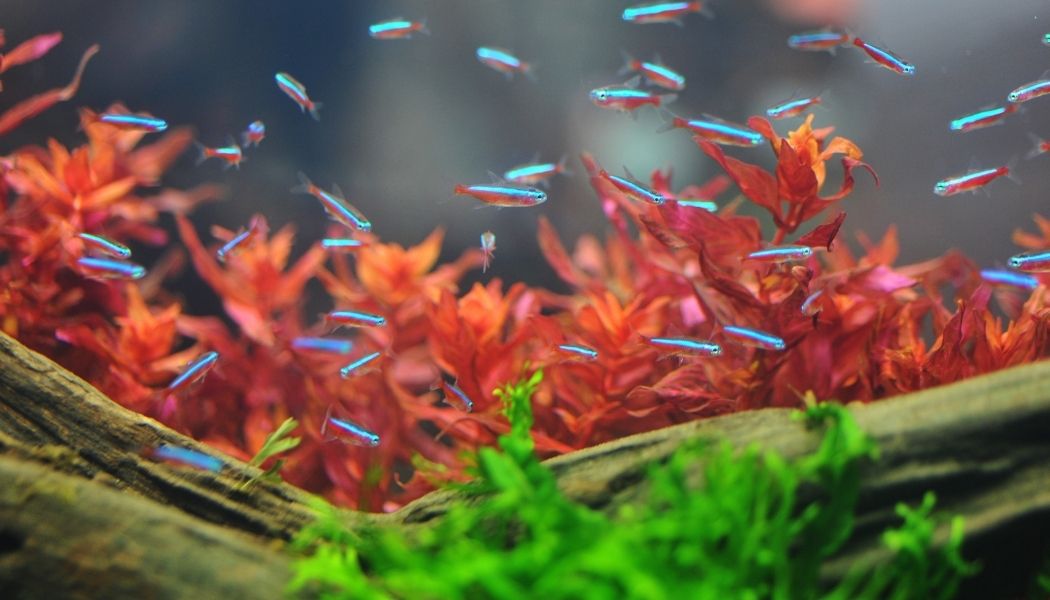
Freshwater Aquarium Fish
Fish ship out on Mondays and Tuesdays to ensure their safety during their...
-
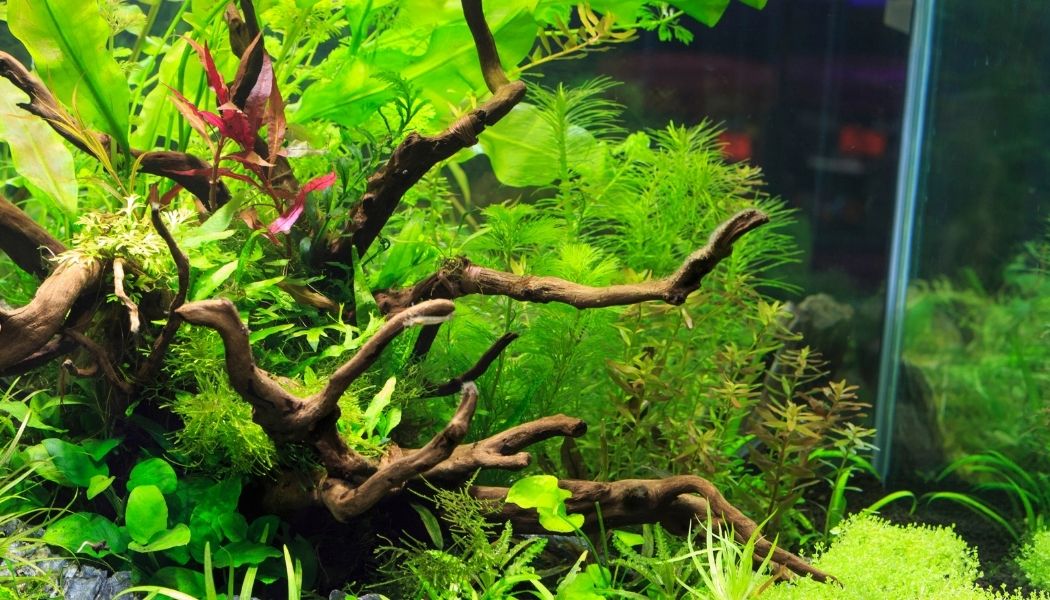
Live Aquatic Plants
Plants ship out on Mondays and Tuesdays to ensure their safety during their...
-
Fish Tank Supplies
All orders are shipped out on Mondays and Tuesdays. Find everything you...
-
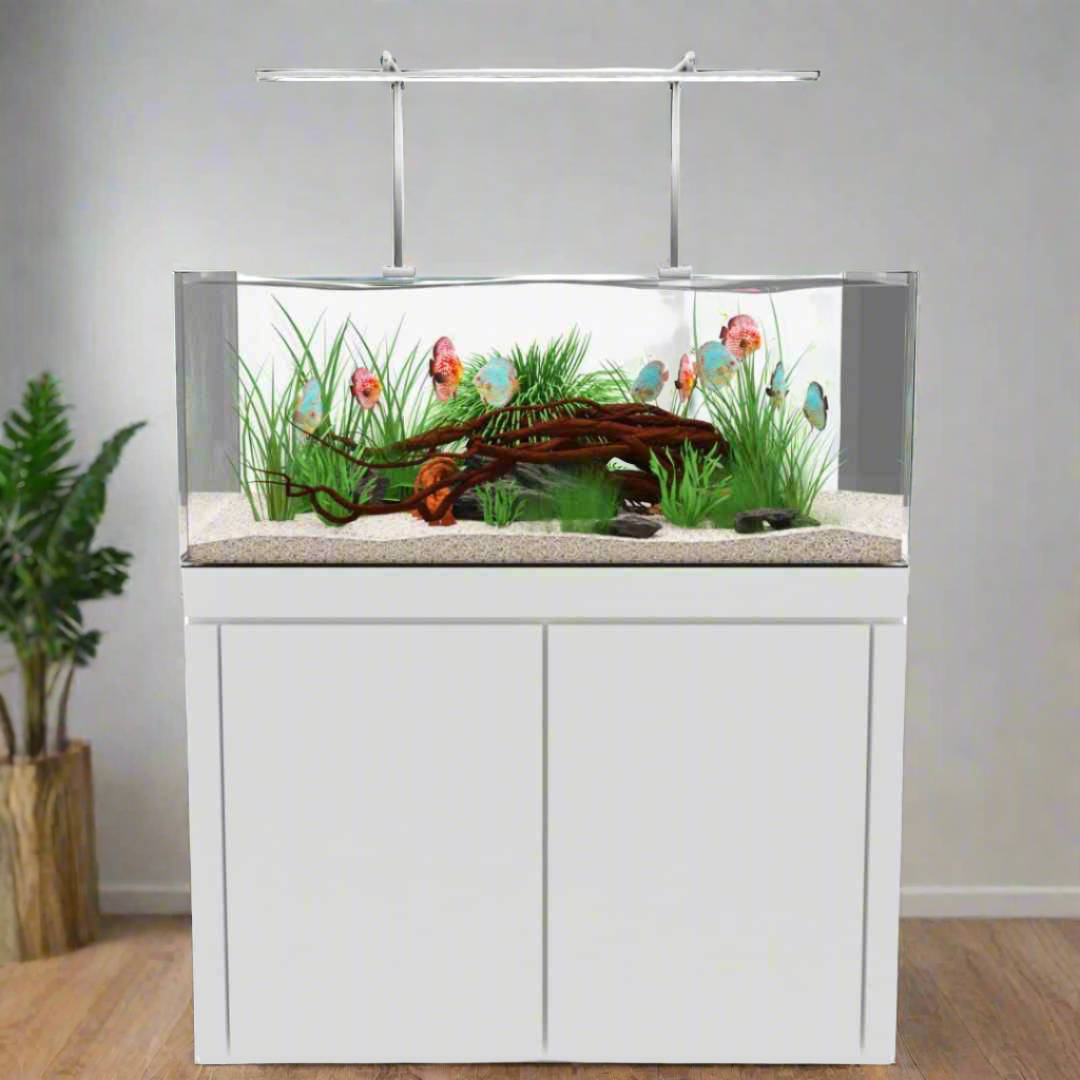
Aquariums & Stands
Looking to upgrade your setup? Visit Natural Environment Aquatix in Jacksonville, FL...
